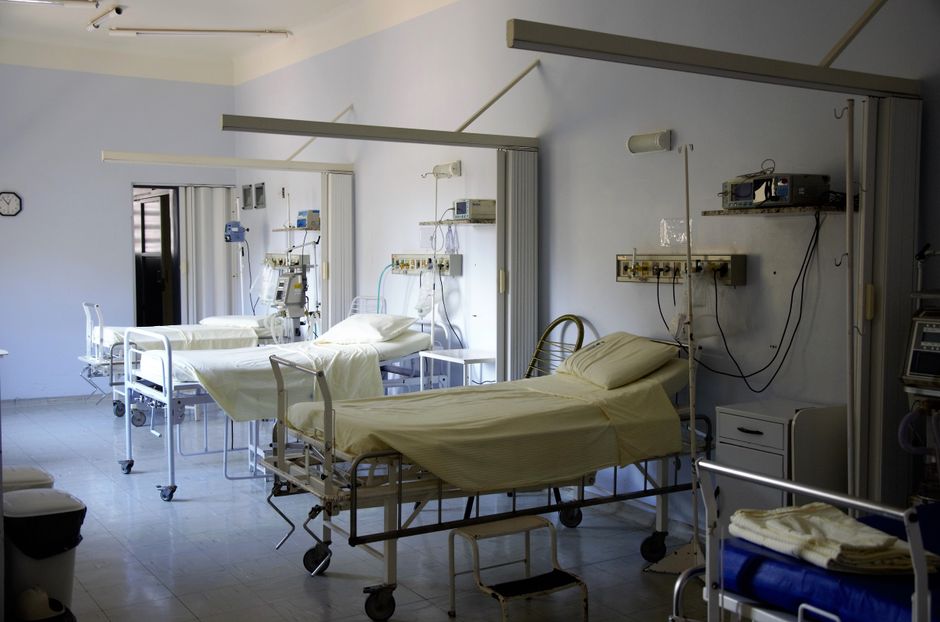

Psychiatric hospitals have long been a cornerstone of mental health care, providing essential services for individuals experiencing severe mental health crises. These facilities are designed to offer a safe and supportive environment where patients can receive comprehensive treatment, including medication management, therapy, and rehabilitation. This article will explore the various aspects of psychiatric hospitals, their importance in the healthcare system, and the evolving perceptions surrounding mental health treatment.
The Purpose of Psychiatric Hospitals

Psychiatric hospitals serve multiple purposes, primarily focusing on stabilization and treatment of acute mental health disorders. They provide a structured environment where patients can receive intensive care, which is often necessary for those in crisis. This includes individuals with conditions such as schizophrenia, bipolar disorder, or severe depression.
In addition to stabilization, these hospitals play an integral role in the assessment and diagnosis of mental health disorders. By providing comprehensive evaluations, psychiatric hospitals can help identify the underlying issues contributing to a patient’s condition, allowing for tailored treatment plans that address their unique needs.
Furthermore, psychiatric hospitals often serve as a bridge to outpatient care. After discharge, many patients are referred to community-based services that can provide ongoing support, therapy, and medication management. This continuum of care is crucial for long-term recovery and stability.
Types of Services Offered
Psychiatric hospitals offer a range of services designed to meet the diverse needs of their patients. These services typically include individual and group therapy, medication management, crisis intervention, and psychoeducation. Each of these components plays a vital role in the recovery process.
Individual therapy allows patients to explore their thoughts and feelings in a safe space, guided by a trained mental health professional. Group therapy, on the other hand, fosters a sense of community and support among patients, helping them realize they are not alone in their struggles.
Medication management is another critical aspect of treatment in psychiatric hospitals. Many patients may require psychiatric medications to help stabilize their symptoms, and these hospitals have the resources to monitor and adjust prescriptions as needed. This is particularly beneficial for patients who may not have access to regular healthcare services.
The Importance of a Supportive Environment
The environment of a psychiatric hospital is designed to be therapeutic and supportive. Safety is a top priority, with secure facilities that minimize the risk of self-harm or harm to others. Staff members are trained to handle crises and provide immediate care when needed.
Moreover, the supportive atmosphere encourages patients to engage in their treatment actively. Activities such as art therapy, recreational therapy, and mindfulness practices are often incorporated into the treatment regimen. These activities not only promote healing but also help patients develop coping skills that they can use long after their hospitalization.
The involvement of family and loved ones is also encouraged during the treatment process. Family therapy sessions can help address relational issues and educate family members about mental health, fostering a more robust support system for the patient’s recovery.
Stigma and Public Perception
Despite the essential role that psychiatric hospitals play in mental health treatment, stigma surrounding mental illness continues to affect public perception. Many individuals may perceive psychiatric hospitals as places of confinement rather than healing. This misconception can deter individuals from seeking help when they need it most.
Efforts to educate the public about mental health and the functions of psychiatric hospitals are crucial in combating this stigma. Campaigns that highlight recovery stories and the effectiveness of treatment can help shift perceptions and encourage more individuals to seek the care they need.
In some regions, such as Psychiatry dubai, there has been a push towards modernizing psychiatric facilities and integrating mental health services into general healthcare. This approach aims to normalize mental health care and reduce the stigma associated with seeking treatment.
Conclusion
Psychiatric hospitals are vital institutions within the mental health care landscape, providing crucial services for those in need of intensive support. By offering a structured and therapeutic environment, these facilities help individuals stabilize their conditions, receive appropriate treatment, and transition to outpatient care. Addressing the stigma surrounding mental health and promoting a better understanding of the role of psychiatric hospitals is essential for encouraging those in need to seek help. As society continues to evolve in its understanding of mental health, the importance of psychiatric hospitals will remain a significant part of the conversation.