
In the age of digital media, the music video has become a crucial component of a musician’s promotional strategy. More than just a visual accompaniment to a song, music videos serve as a narrative tool, a way for artists to express their creativity, and a means to engage with audiences on a deeper level. This article delves into the multifaceted world of music video production, exploring its history, key elements, and the evolving trends that shape the industry today.
History of Music Video Production

The origins of music video production can be traced back to the early 20th century, but it wasn’t until the advent of MTV in the 1980s that the format truly exploded in popularity. Artists like Michael Jackson and Madonna utilized music videos not just as promotional tools but as a means of artistic expression. The iconic music video for Jackson’s “Thriller” set a new standard, combining storytelling, choreography, and cinematic techniques.
As technology advanced, so did the possibilities for music video production. The introduction of digital video editing and special effects allowed for more creative freedom. Today, platforms like YouTube and TikTok have democratized music video distribution, enabling independent artists to reach global audiences without the backing of major record labels.
Key Elements of Music Video Production
Creating a successful music video involves a combination of artistic vision and technical know-how. Several key elements must be considered in the production process:
Concept and Storyboarding
The first step in music video production is developing a concept. This often involves brainstorming sessions between the artist, director, and production team. Storyboarding is a critical part of this phase, as it allows the team to visualize the narrative and plan the shots accordingly. A well-crafted storyboard serves as a blueprint for the entire shoot.
Cinematography and Visual Style
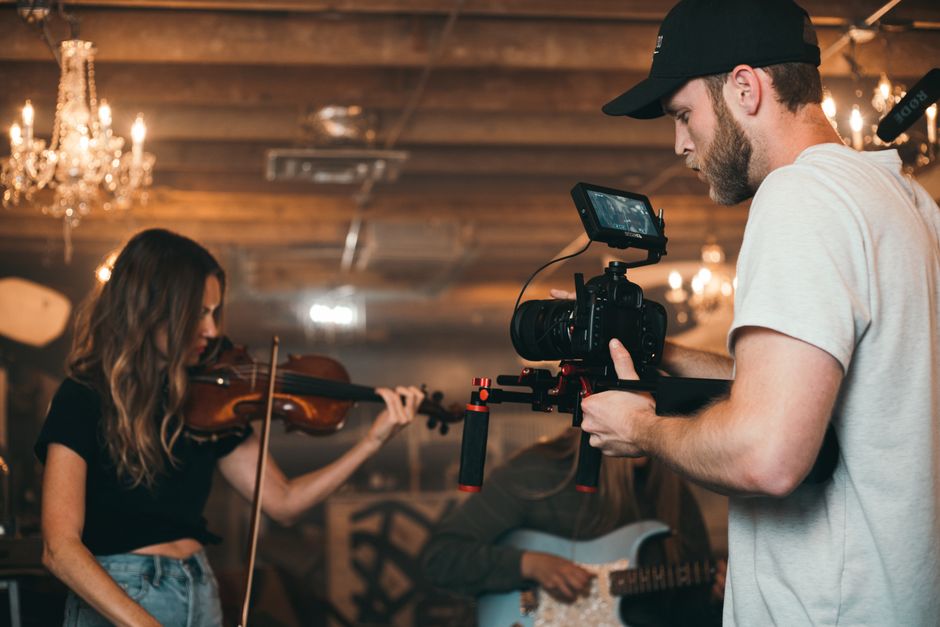
Cinematography plays a vital role in establishing the visual tone of the music video. The choice of camera angles, lighting, and color palettes can significantly affect how the audience perceives the story. For instance, a high-energy pop song may benefit from bright colors and dynamic camera movements, while a ballad might call for softer lighting and more intimate framing.
Editing and Post-Production
Once the footage is captured, the editing phase begins. This is where the magic happens, as editors cut and arrange the footage to align with the rhythm of the song. Special effects, color grading, and sound design are added during post-production, enhancing the overall viewing experience. The final product is a seamless blend of audio and visual elements that captivates the audience.
Current Trends in Music Video Production
The landscape of music video production is continually evolving, influenced by technological advancements and shifting viewer preferences. Some current trends include:
Interactive and Immersive Experiences
With the rise of virtual and augmented reality, music videos are becoming more interactive. Artists are experimenting with formats that allow viewers to engage with the video in novel ways, creating a more immersive experience. This trend caters to a tech-savvy audience eager for innovative content.
Short-Form Content
Platforms like TikTok have popularized short-form video content, prompting artists to create bite-sized music videos that can go viral in a matter of hours. This shift has forced traditional music video producers to adapt their storytelling techniques, focusing on impactful narratives that can be conveyed in just a few seconds.
Social Media Integration
Social media platforms have become essential for promoting music videos. Artists often release teasers and behind-the-scenes content on platforms like Instagram and Twitter to build anticipation. The integration of social media into music video campaigns allows artists to connect with fans directly, fostering a sense of community.
The Future of Music Video Production
As we look to the future, music video production will undoubtedly continue to evolve. Advances in technology will create new opportunities for creativity, while changing viewer habits will shape the types of content that resonate with audiences. The incorporation of artificial intelligence and machine learning in editing processes may streamline production, enabling faster turnarounds and innovative editing techniques.
Ultimately, the essence of music video production lies in its ability to tell a story and evoke emotions. As long as artists continue to push the boundaries of creativity, music videos will remain a vital part of the music landscape. For those interested in diving deeper into the world of music video production, the possibilities are endless, limited only by imagination.
Conclusion
Music video production is an intricate blend of art and technology, reflecting the evolution of music and media. From its historical roots to its current trends, the journey of music videos illustrates the importance of visual storytelling in connecting artists with their audiences. As the industry continues to innovate and adapt, one thing remains clear: music videos are here to stay, serving as powerful tools for artistic expression and audience engagement.