
Crime scene cleanup is a critical yet often overlooked aspect of law enforcement and public safety. It involves the meticulous process of removing hazardous materials and restoring a location following a crime, accident, or traumatic event. This type of cleanup requires a specialized skill set, knowledge of safety protocols, and a strong sense of empathy for the victims and their families. In this article, we will explore the intricacies of crime scene cleanup, the challenges faced by professionals in this field, and the importance of their work.
The Role of Crime Scene Cleanup Professionals
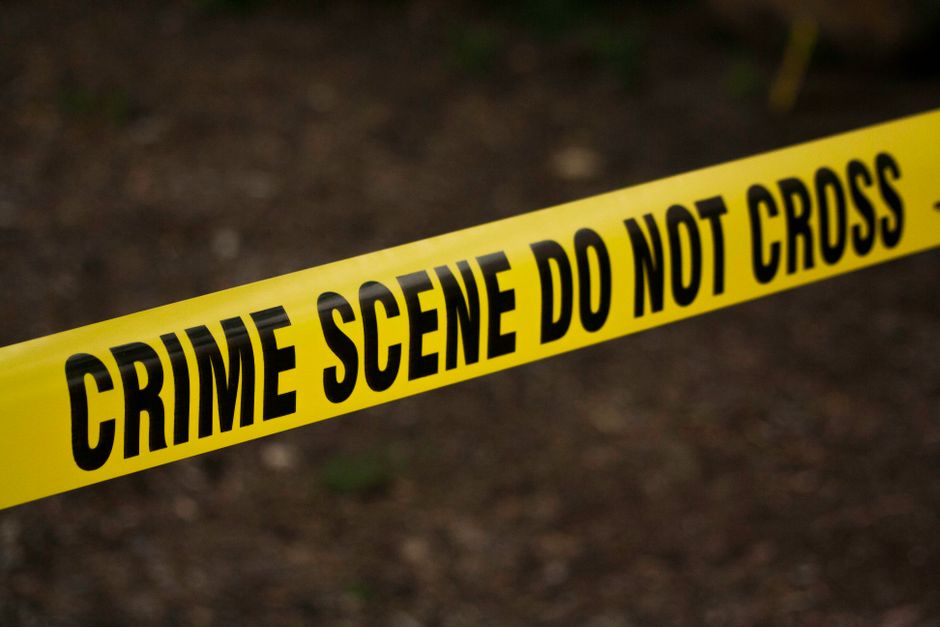
Crime scene cleanup professionals are often the unsung heroes who step in after the police have completed their investigation. Their primary responsibility is to safely and effectively clean up areas contaminated by blood, bodily fluids, and other hazardous materials. This process is not only about cleaning; it involves careful documentation, risk assessment, and adherence to health regulations.
These professionals typically work for specialized companies that provide crime scene cleanup services. They undergo extensive training to understand the biological and chemical hazards they may encounter. Additionally, they learn the legal aspects of their work, ensuring that they comply with local and federal regulations.
For instance, in the United States, OSHA (Occupational Safety and Health Administration) sets strict guidelines for handling biohazardous materials. Failure to comply with these regulations can result in severe penalties for cleanup companies, emphasizing the importance of professional training and certification.
Challenges Faced in Crime Scene Cleanup
Cleaning a crime scene is fraught with challenges, both physical and emotional. One of the most significant challenges is the emotional toll this work can take on cleanup crews. They often encounter distressing scenes that can lead to psychological stress and trauma. This is why mental health support is essential in this profession.
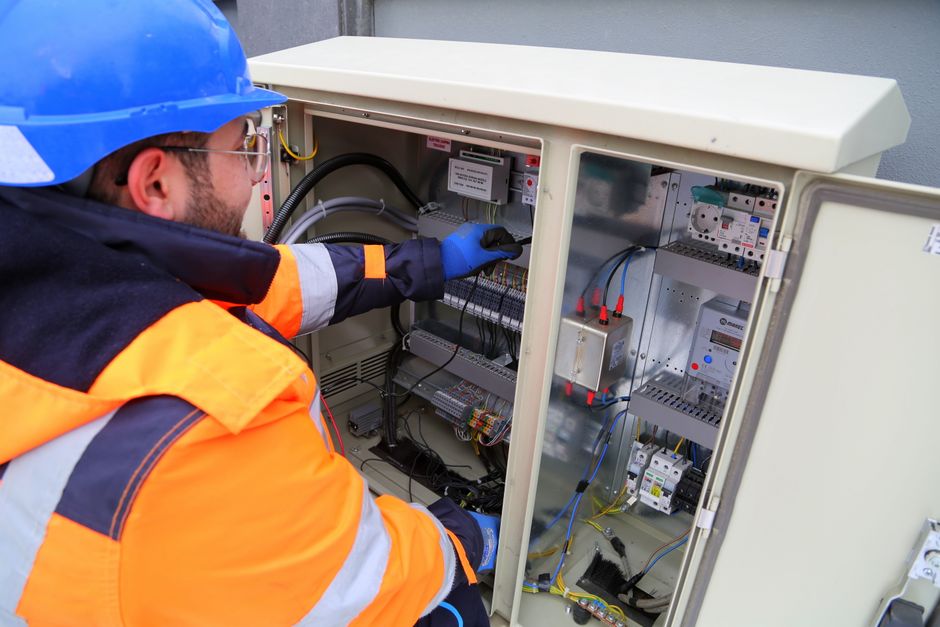
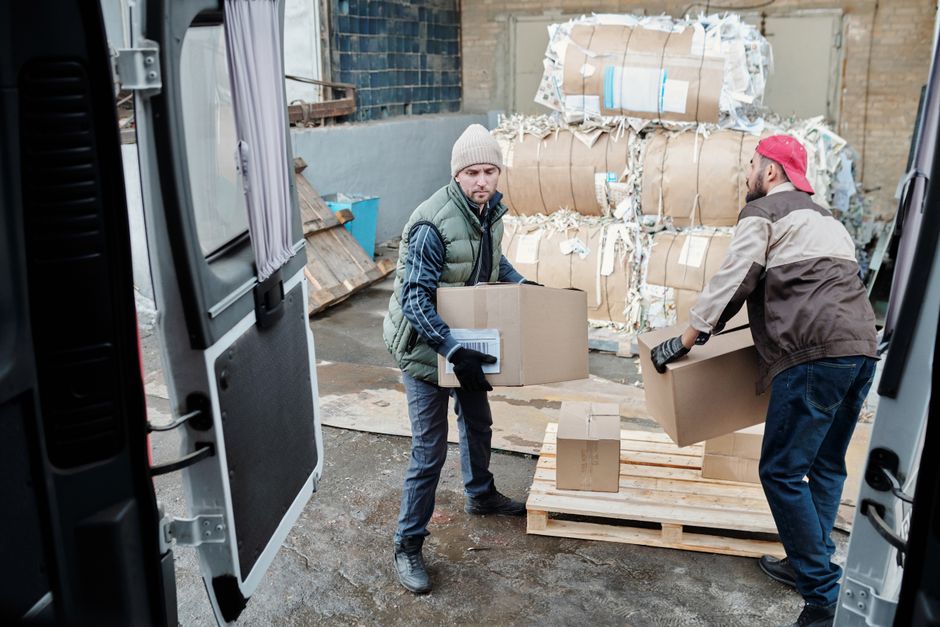
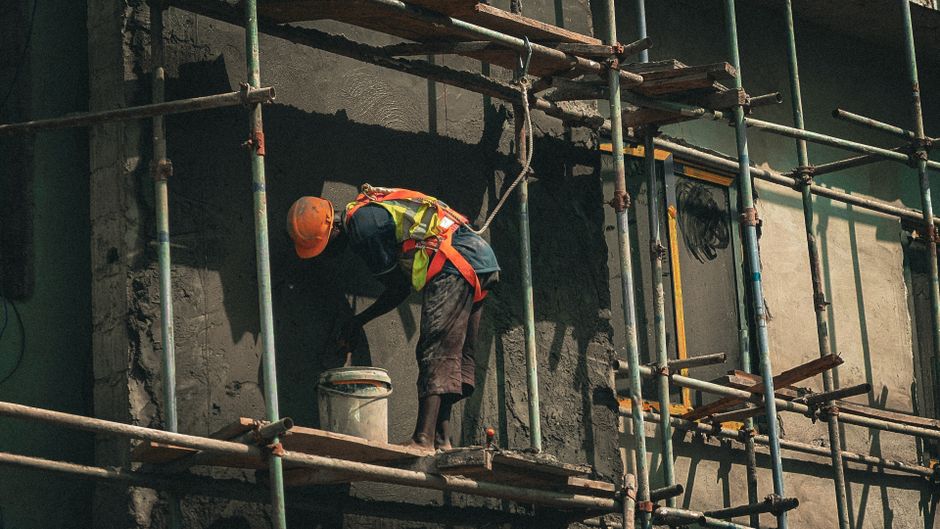
Additionally, the physical demands of crime scene cleanup can be taxing. Professionals must often lift heavy objects, work in uncomfortable positions, and use specialized equipment, all while adhering to strict safety protocols. The risk of exposure to harmful pathogens adds another layer of complexity to their work.
Moreover, each crime scene is unique, requiring a tailored approach to cleanup. Factors such as the type of crime, the location, and the time elapsed since the incident can all influence the cleanup process. For example, a homicide scene may require different techniques and equipment than a suicide cleanup.
The Importance of Crime Scene Cleanup
The importance of crime scene cleanup cannot be overstated. Beyond the immediate need for sanitation and safety, these services help restore a sense of normalcy for families and communities affected by tragedy. Cleanup professionals play a vital role in allowing families to heal and move forward.
Statistics show that timely cleanup can significantly reduce the risk of health hazards in the affected area. For example, bloodborne pathogens can pose serious health risks if not addressed promptly. By employing professional crime scene cleanup services, families can ensure that their homes or businesses are safe and sanitary.
Furthermore, the presence of professionals can alleviate the burden on grieving families. Handling the aftermath of a traumatic event is emotionally taxing, and having experts manage the cleanup allows families to focus on healing rather than the logistical challenges of restoration.
How to Choose a Crime Scene Cleanup Service
When selecting a crime scene cleanup service, it is crucial to consider several factors. First and foremost, look for a company with a proven track record and positive customer reviews. Experience in the field can significantly impact the quality of cleanup services provided.
Additionally, ensure that the company is licensed and insured. This protects both the client and the service provider in case of accidents or unforeseen circumstances during the cleanup process. It’s also beneficial to choose a company that offers 24/7 emergency services, as crime scenes often require immediate attention.
Another critical aspect is the company’s approach to safety and compliance with health regulations. A reputable crime scene cleanup service will prioritize safety and adhere to all relevant regulations, ensuring that the cleanup is thorough and effective. For more detailed information on the protocols and practices involved in crime scene cleanup, potential clients should not hesitate to ask questions and seek clarity.
Conclusion
Crime scene cleanup is an essential service that plays a vital role in public safety and community health. The professionals who undertake this challenging work are dedicated to restoring order in the aftermath of chaos, often under extreme emotional and physical stress. By understanding the complexities of this profession, we can better appreciate the invaluable contributions of crime scene cleanup specialists and the importance of their services in helping families reclaim their spaces and find closure.