
Child therapy has become an essential component in supporting the emotional and psychological development of children. As children navigate various challenges, from school pressures to family dynamics, therapy provides a safe space for them to express their feelings and learn coping strategies. This article explores the various aspects of child therapy, its methodologies, and its positive impact on young lives.
What is Child Therapy?

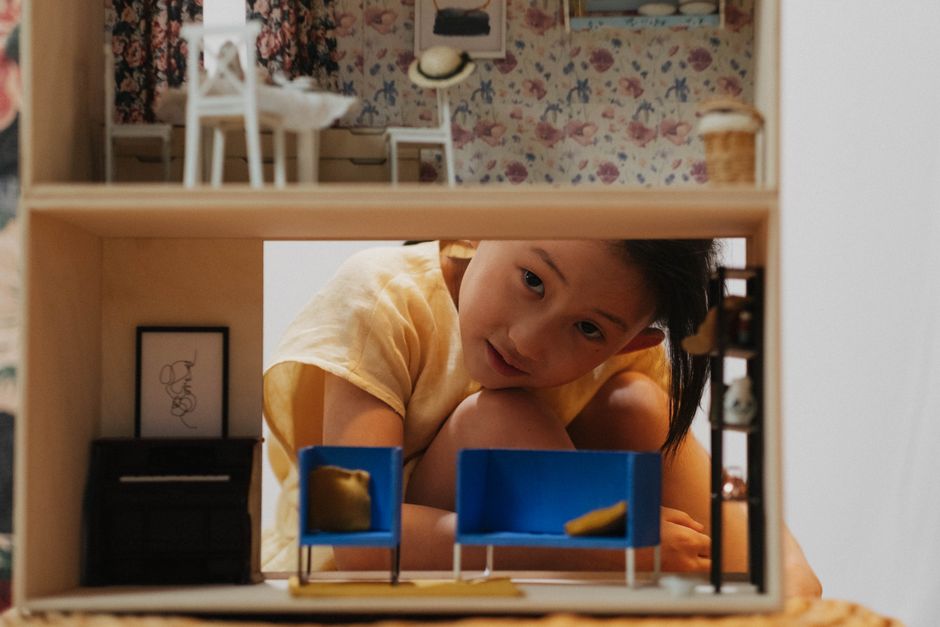
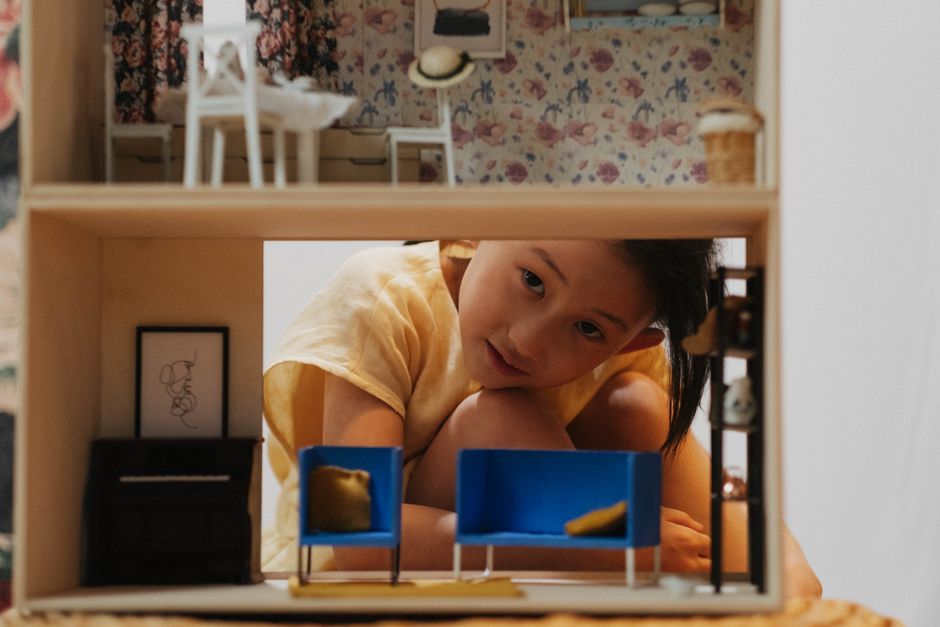
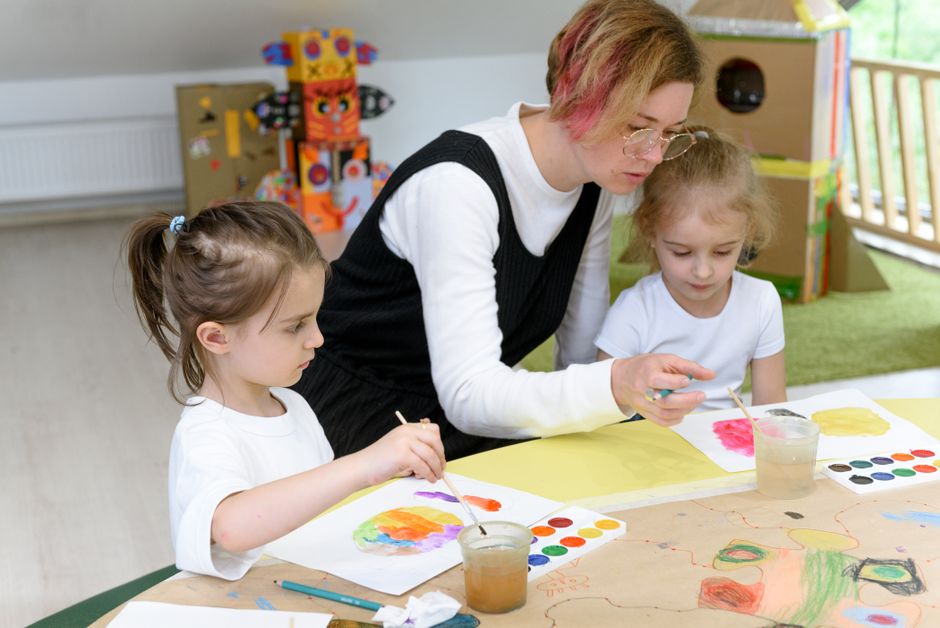
Child therapy is a specialized form of therapy that focuses on helping children and adolescents deal with emotional, psychological, and behavioral issues. Unlike traditional adult therapy, child therapy often incorporates play, art, and other interactive methods to engage younger clients. This therapeutic approach recognizes that children may not have the verbal skills to articulate their emotions fully, which is why alternative methods are employed to facilitate communication.
The primary goal of child therapy is to provide a supportive environment where children can feel safe to express their emotions. Therapists often work with children experiencing anxiety, depression, trauma, or behavioral issues. By using techniques tailored to the child’s developmental stage, therapists can help children process their experiences and develop healthier coping mechanisms.
Types of Child Therapy
There are various types of child therapy, each with its unique approach and techniques. Some of the most common include cognitive-behavioral therapy (CBT), play therapy, and family therapy. These methods can be adjusted based on the child’s specific needs and the issues they are facing.
Cognitive-behavioral therapy (CBT) focuses on changing negative thought patterns that contribute to emotional distress. This method helps children recognize and alter unhelpful behaviors and beliefs, empowering them to manage their feelings more effectively. On the other hand, play therapy allows children to express themselves through play, which can be especially beneficial for younger children who may struggle to articulate their thoughts verbally.
Family therapy, as another approach, involves working with the entire family unit to address dynamics that may contribute to a child’s struggles. By improving communication and understanding within the family, therapy can foster a supportive environment that promotes healing and growth.
The Benefits of Child Therapy
Engaging in child therapy can yield numerous benefits for children and their families. One of the most significant advantages is the development of emotional regulation skills. Children learn how to identify their feelings, which is a crucial step in learning how to manage them effectively. This emotional awareness can lead to improved relationships with peers and family members.
Moreover, therapy can lead to enhanced coping strategies. For instance, children may learn relaxation techniques to manage anxiety or conflict resolution skills to navigate social situations. These tools not only help them in the present but also equip them with resources they can utilize throughout their lives.
Statistics show that children who engage in therapy often experience significant improvements in their emotional well-being. According to a study published in the Journal of the American Academy of Child & Adolescent Psychiatry, children who participated in therapy showed a 50% reduction in symptoms of anxiety and depression within a few months of treatment.
When to Seek Child Therapy
Identifying when a child may benefit from therapy can be challenging. However, there are certain signs that parents and caregivers should be aware of. If a child is exhibiting persistent sadness, withdrawal from activities they once enjoyed, sudden changes in behavior, or difficulty concentrating, it may be time to seek professional help.
Additionally, children who have experienced trauma, such as the loss of a loved one, divorce, or abuse, may also benefit from therapy. Early intervention is critical in these cases, as addressing issues sooner rather than later can lead to more positive outcomes.
Consulting with a pediatrician or a child psychologist can provide guidance on whether therapy is appropriate and can help connect families with qualified professionals.
Conclusion
Child therapy plays a crucial role in supporting the emotional and psychological development of children. By providing a safe and nurturing environment, therapists can help children navigate their feelings, develop coping strategies, and improve their overall well-being. As awareness of the importance of mental health continues to grow, it is essential for parents and caregivers to recognize the signs that a child may need support and seek out appropriate resources, such as understanding What is ABA therapy as a potential avenue of assistance. Investing in a child’s mental health is an investment in their future.