
In today’s fast-paced industrial landscape, automation has become a key driver of efficiency, productivity, and innovation. Companies are increasingly turning to automation suppliers to streamline operations and enhance their competitive edge. This article explores the vital role of industrial automation suppliers, their offerings, and how they can significantly impact various sectors.
The Importance of Automation in Industry
Automation has revolutionized the way industries operate. By integrating advanced technologies like robotics, machine learning, and the Internet of Things (IoT), businesses can optimize processes and reduce human error. According to a report by McKinsey, companies that adopt automation can increase productivity by up to 30% within the first few years of implementation. This shift towards automation not only enhances output but also allows employees to focus on more strategic tasks.
Furthermore, automation can lead to significant cost savings. A study by Deloitte indicated that organizations adopting automation technologies can achieve a reduction in operational costs by as much as 20%. This is particularly crucial in highly competitive markets where margins are tight and efficiency is paramount.
As industries evolve, the demand for skilled labor in automation technology is also increasing. This shift necessitates a robust partnership with reliable industrial automation suppliers who can provide not only equipment but also training and support.
Key Offerings from Automation Suppliers
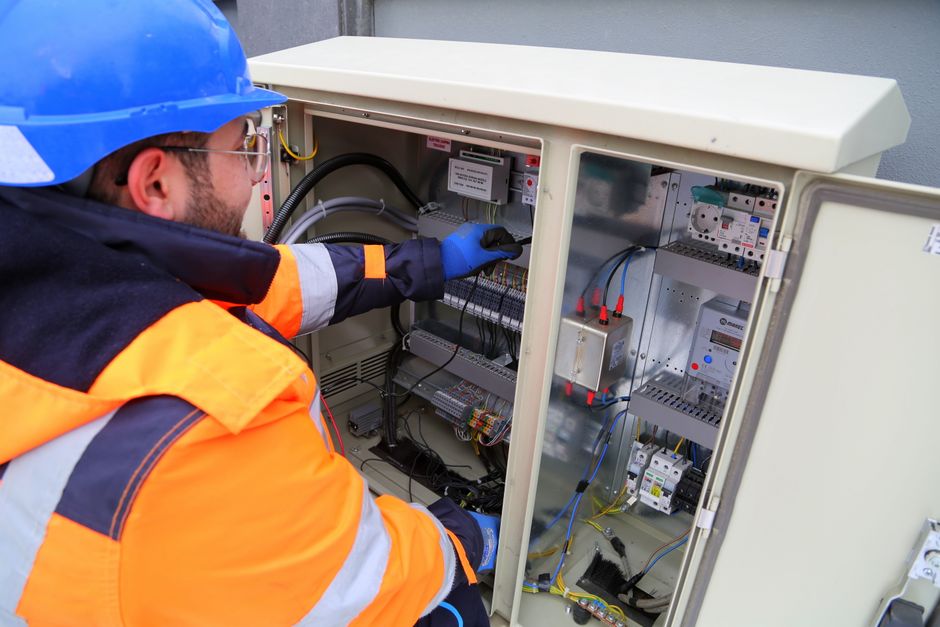
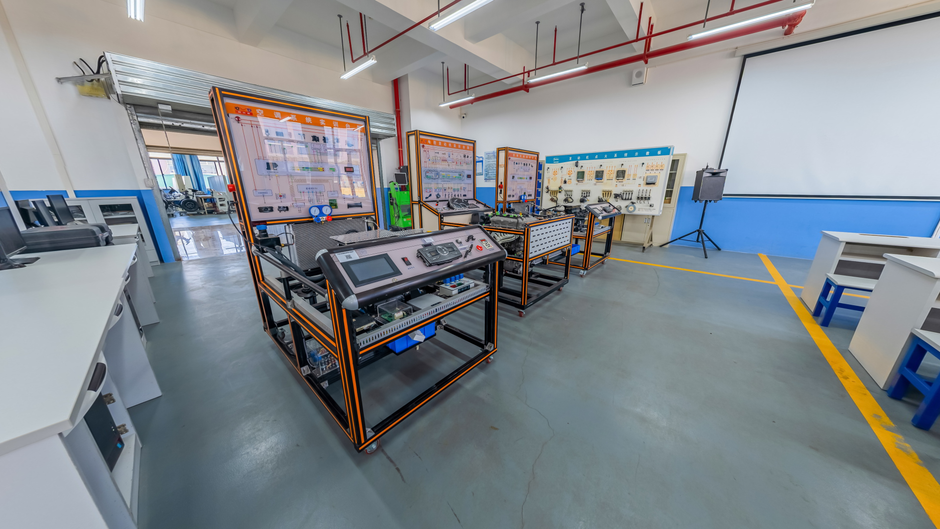
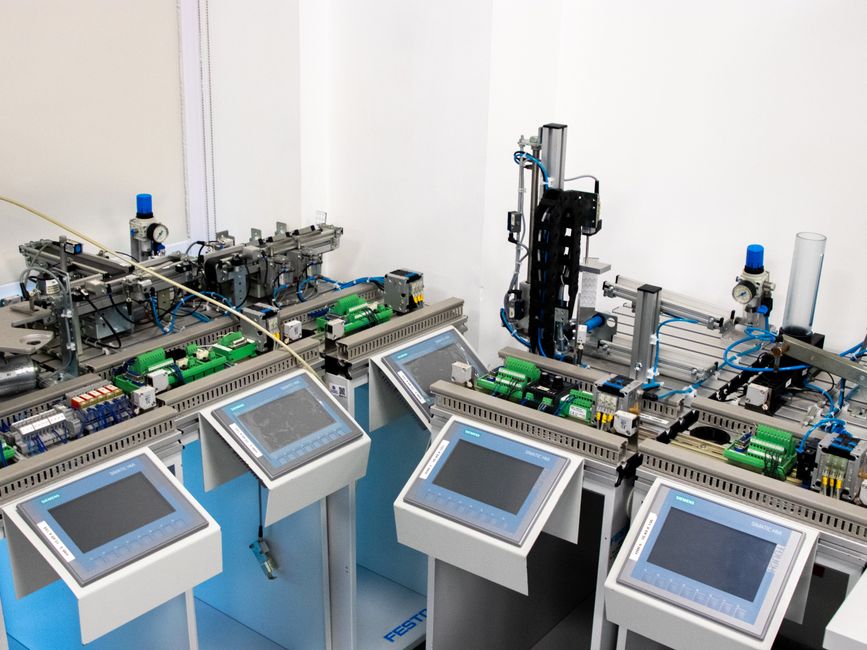
Industrial automation suppliers offer a wide range of products and services tailored to meet the specific needs of various industries. These offerings typically include programmable logic controllers (PLCs), human-machine interfaces (HMIs), sensors, and robotics. Each component plays a unique role in creating an interconnected system that can operate autonomously.
For instance, PLCs serve as the brain of automation systems, controlling machinery and processes based on input from sensors. HMIs provide a user-friendly interface for operators to monitor and control these systems. In addition, advanced sensors collect real-time data, enabling companies to make informed decisions quickly.
Moreover, robotics technology has advanced significantly, offering automation suppliers the ability to provide customized solutions. From collaborative robots (cobots) that work alongside human workers to fully automated production lines, these innovations are designed to enhance productivity while ensuring safety.
Choosing the Right Automation Supplier
Selecting an appropriate automation supplier is crucial for the success of any automation project. Companies should consider several factors when making their choice. First, assess the supplier’s expertise and experience in your specific industry. A supplier familiar with the nuances of your sector will be better equipped to provide tailored solutions.
Next, evaluate the range of products and services offered. A comprehensive supplier should provide not only equipment but also support services such as installation, training, and maintenance. This holistic approach ensures that businesses can maximize the benefits of automation.
Additionally, consider the supplier’s reputation in the market. Reading customer testimonials and case studies can provide valuable insights into the supplier’s reliability and the effectiveness of their solutions. By partnering with a reputable industrial automation supplier, companies can mitigate risks and enhance the chances of a successful automation initiative.
Case Studies: Success Stories in Automation
Many companies have successfully implemented automation solutions, yielding impressive results. For example, a leading automotive manufacturer adopted robotic automation in their assembly line, resulting in a 40% increase in production efficiency and a 25% reduction in labor costs. This transformation not only boosted their bottom line but also improved product quality.
Another notable case is a food processing company that integrated IoT-enabled sensors into their production line. By monitoring equipment performance in real-time, they were able to reduce downtime by 30% and improve overall equipment effectiveness (OEE) significantly.
These success stories highlight the transformative power of automation and the critical role that reliable automation suppliers play in facilitating such changes.
The Future of Industrial Automation
As technology continues to advance, the future of industrial automation looks promising. Emerging trends like artificial intelligence (AI), machine learning, and advanced analytics are set to further enhance automation capabilities. Companies that embrace these technologies will likely gain a competitive advantage in their respective markets.
Moreover, the rise of smart factories, where machines communicate seamlessly with each other, is just around the corner. This interconnectedness will allow for unprecedented levels of efficiency and adaptability in production processes.
To stay ahead, businesses must remain agile and willing to invest in innovative solutions from trusted industrial automation suppliers. The collaboration between industry players and automation experts will pave the way for a more efficient and productive future.
Conclusion
Industrial automation is no longer a luxury; it has become a necessity for companies aiming to thrive in today’s competitive environment. By partnering with knowledgeable and reliable automation suppliers, businesses can harness the power of automation to improve efficiency, reduce costs, and drive innovation. As industries continue to evolve, the role of automation suppliers will be pivotal in shaping the future of work and production.