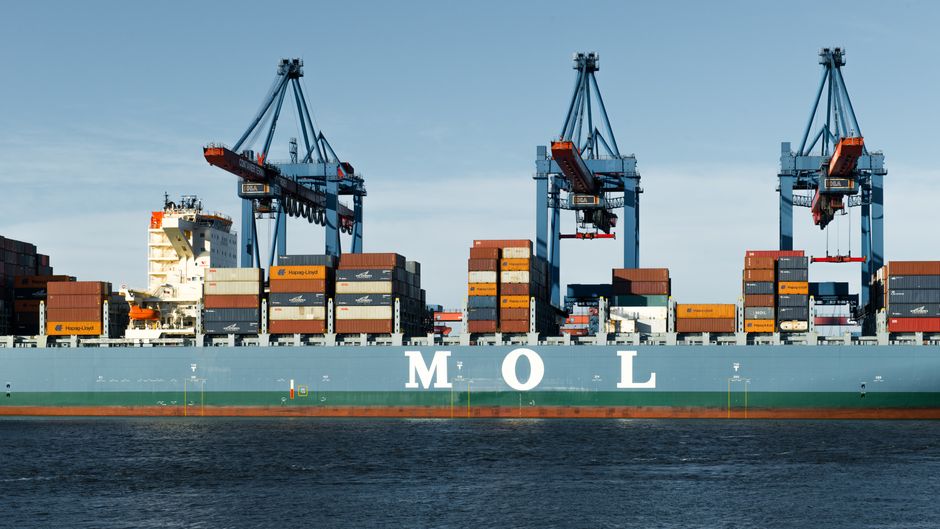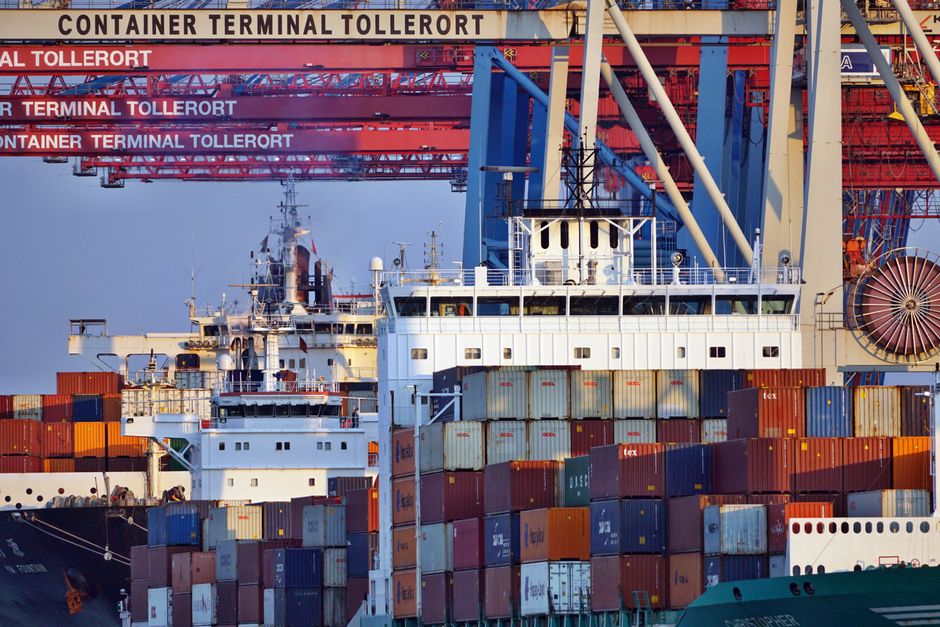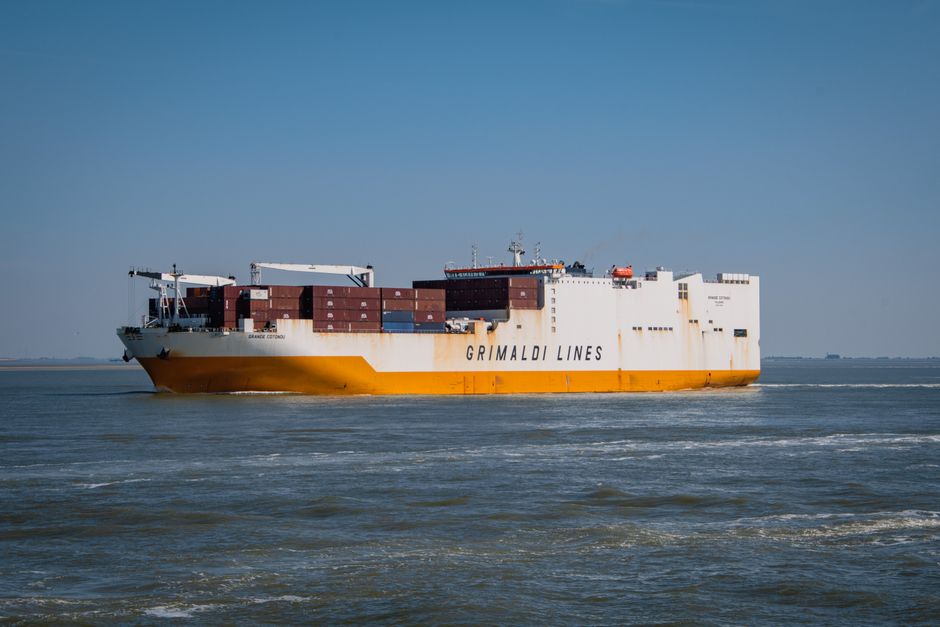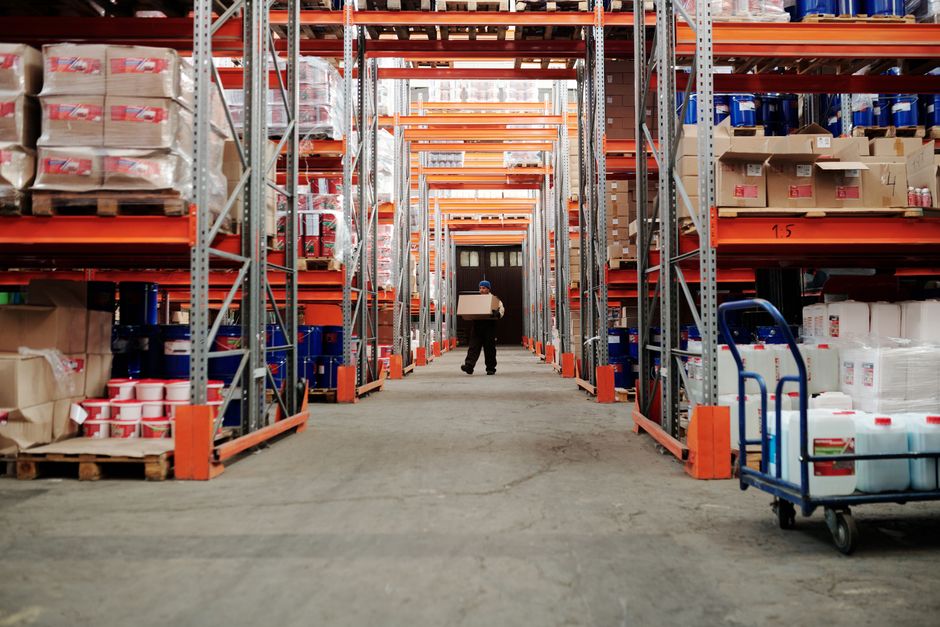

Cargo insurance is an essential component of international shipping and logistics. As businesses expand globally, the need for protecting shipments against unforeseen circumstances becomes paramount. This article delves into the intricacies of cargo insurance, its benefits, and the factors that influence its cost. By understanding cargo insurance, businesses can better safeguard their assets and ensure a smoother shipping process.
What is Cargo Insurance?
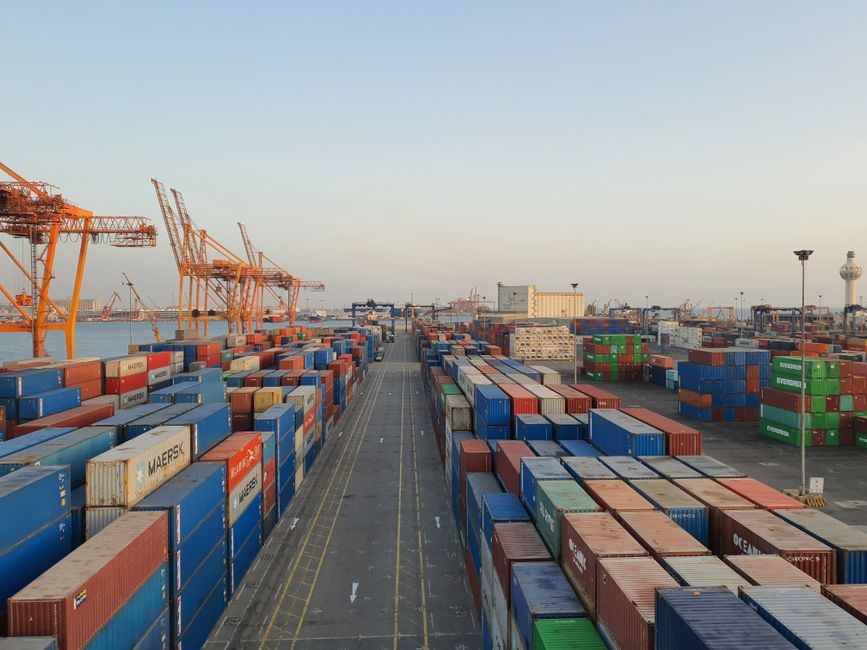
Cargo insurance provides coverage for loss or damage to goods while in transit. It is a crucial safety net for businesses that rely on shipping products to customers or warehouses. Without adequate coverage, companies risk significant financial losses in the event of theft, damage, or other incidents. Cargo insurance policies can vary widely, covering everything from natural disasters to man-made events.
When considering cargo insurance, it’s important to understand the types of coverage available. Some policies cover the full value of the cargo, while others may only cover a percentage. This distinction can significantly impact a business’s bottom line. For instance, if a company ships electronics valued at $100,000 but only insures them for $70,000, it will face a substantial loss if the shipment is damaged.
Why is Cargo Insurance Important?
There are several compelling reasons why businesses should invest in cargo insurance. Firstly, it mitigates financial risk. According to industry statistics, approximately 1 in 10 shipments experiences some form of loss or damage. Without insurance, these incidents can lead to devastating financial repercussions.
Secondly, cargo insurance enhances customer trust. When customers know that their orders are protected, they are more likely to engage with a business. A robust cargo insurance policy reflects a company’s commitment to quality and reliability, which can lead to increased sales and customer loyalty.
Factors Influencing Cargo Insurance Costs
The cost of cargo insurance can vary based on several factors. First, the type of goods being shipped plays a significant role. High-value items generally incur higher premiums due to the increased risk of loss. Additionally, the shipping method—air, sea, or land—affects pricing. Air freight is often more expensive to insure than sea freight due to the higher risks associated with air transport.
Another important factor is the destination of the shipment. Certain countries or regions may present higher risks due to political instability, piracy, or natural disasters, leading to increased insurance costs. Moreover, the shipping routes and the history of claims in those areas can also influence premiums.
Choosing the Right Cargo Insurance Provider
Selecting a reliable cargo insurance provider is crucial for ensuring adequate protection. Businesses should look for insurers with a strong reputation and extensive experience in the logistics sector. Reading customer reviews and seeking recommendations can help identify trustworthy providers.
It’s also essential to compare policies from different insurers. Key aspects to consider include the coverage limits, exclusions, and claims process. A transparent and efficient claims process is vital, as it can greatly affect how quickly a business can recover from a loss.
Conclusion
In conclusion, cargo insurance is not just an optional extra; it is an essential part of modern shipping practices. By understanding the importance of cargo insurance, businesses can protect their assets, enhance customer confidence, and ultimately improve their bottom line. As global trade continues to grow, so does the need for effective risk management strategies, making cargo insurance a critical consideration for any business involved in shipping goods.