
In today’s fast-paced commercial landscape, the role of distributors has become increasingly vital. Distributors serve as the crucial link between manufacturers and retailers, ensuring that products reach the market efficiently and effectively. This article delves into the multifaceted responsibilities of distributors, their impact on supply chains, and how they adapt to the ever-evolving market demands.
The Functionality of Distributors

Distributors are integral players in the supply chain. They purchase products in bulk from manufacturers and sell them to retailers or directly to consumers. This bulk purchasing allows manufacturers to focus on production while distributors manage the logistics of distribution. The advantages of using distributors include reduced overhead costs for manufacturers and enhanced market reach.
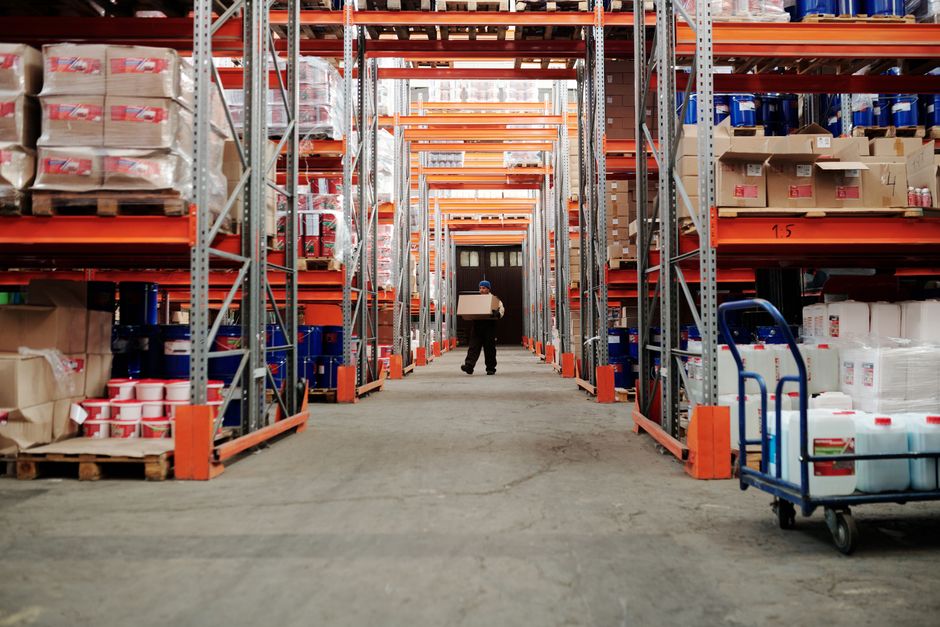
Moreover, distributors often provide additional services such as warehousing, inventory management, and sometimes even marketing support. This comprehensive approach allows manufacturers to maintain a lean operation while ensuring that their products are readily available to consumers.
For instance, a company that produces health supplements may partner with a distributor who specializes in health products. This distributor not only handles the logistics but also promotes the products to health stores, ensuring that they are stocked and available to consumers.
Types of Distributors
Distributors can be categorized into various types based on their business models and the services they offer. Broadly, there are three main types: wholesale distributors, retail distributors, and specialty distributors. Each type plays a unique role within the supply chain.
Wholesale distributors typically purchase products in large quantities and sell them in smaller lots to retailers. Retail distributors, on the other hand, sell directly to consumers, often through physical stores or online platforms. Specialty distributors focus on niche markets, providing expert knowledge and tailored services for specific product categories.
For example, a wholesale distributor might handle a range of consumer electronics, while a specialty distributor could focus solely on organic food products, offering not only distribution but also insights into market trends and consumer preferences.
Impact on Supply Chain Efficiency
The efficiency of a supply chain can be significantly enhanced by the strategic use of distributors. By managing logistics and reducing the burden on manufacturers, distributors help streamline operations. This efficiency translates to faster delivery times, lower costs, and improved customer satisfaction.
According to a study by the Supply Chain Management Review, companies that effectively leverage distributors see a 20% reduction in overall logistics costs. This is achieved through improved inventory management and the ability to respond quickly to market demand changes.
Furthermore, distributors often have established relationships with retailers, allowing for better negotiation terms and more favorable pricing. This relationship fosters a collaborative approach, enabling both distributors and manufacturers to thrive in competitive marketplaces.
Adapting to Market Changes
In an age where consumer preferences can shift rapidly, distributors must be agile. The rise of e-commerce has dramatically altered the landscape, pushing distributors to embrace technology and innovate their services. Many distributors are now incorporating digital platforms to enhance their operations and reach a broader audience.
For instance, a distributor that previously operated solely through physical stores may now also offer online ordering options, providing convenience for retailers and consumers alike. This transition not only opens new revenue streams but also allows distributors to gather valuable data on consumer behavior.
Moreover, the ongoing global supply chain challenges have prompted distributors to develop more robust contingency plans, ensuring that they can quickly adapt to disruptions. This adaptability is crucial for maintaining product availability and meeting customer expectations.
Future of Distribution
As we look to the future, the role of distributors will continue to evolve. With advancements in technology, such as artificial intelligence and automation, distributors are likely to become even more efficient. These technologies can streamline operations, optimize inventory management, and enhance customer service.
The integration of artificial intelligence may allow distributors to predict market trends and consumer demands more accurately. This predictive capability can significantly enhance decision-making processes, leading to better stock management and reduced waste.
For instance, a distributor dealing with sports nutrition products might analyze data trends to forecast which products are likely to see increased demand during specific seasons. This foresight allows the distributor to adjust inventory levels accordingly, minimizing both excess stock and shortages.
In conclusion, the role of distributors in modern commerce is multifaceted and essential for the efficient functioning of supply chains. By adapting to market changes and leveraging technology, distributors can continue to provide value to manufacturers and consumers alike. The strategic partnership between manufacturers and distributors will undoubtedly shape the future of commerce.
For those interested in enhancing their product offerings, exploring options like BPC157+TB500 can provide innovative solutions within the industry.