
The world of perfume is a fascinating one, filled with history, artistry, and science. Fragrance has the power to evoke memories, alter moods, and even influence our perceptions of beauty and allure. From ancient Egypt to modern-day luxury brands, the evolution of perfume is a testament to humanity’s enduring love for scent. This article will explore the intricacies of perfume, its cultural significance, and the craftsmanship behind creating these aromatic masterpieces.
The History of Perfume
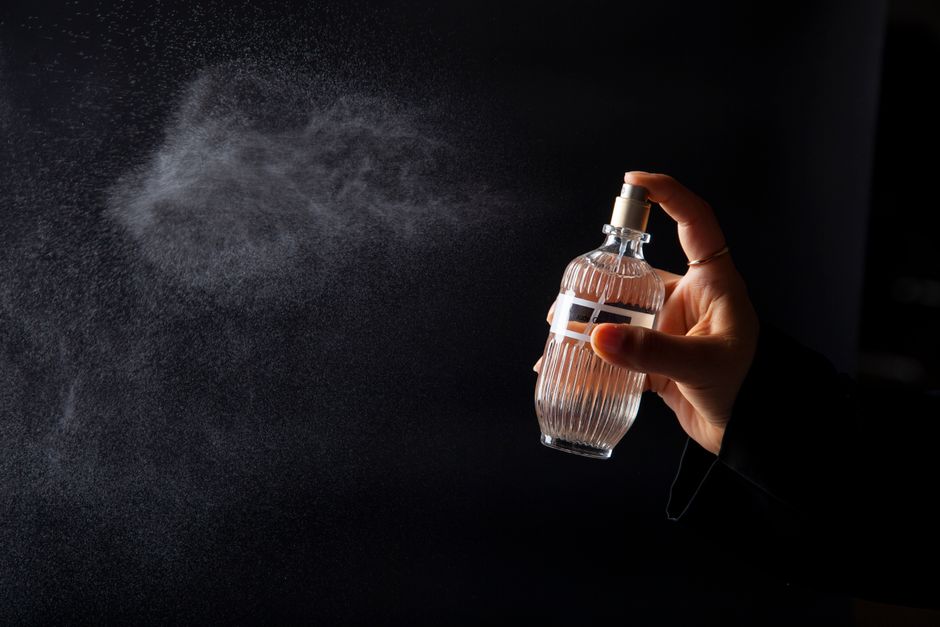
Perfume has been an integral part of human culture for thousands of years. Its origins can be traced back to ancient civilizations such as the Egyptians, who used fragrances in religious ceremonies and for personal adornment. The word ‘perfume’ itself comes from the Latin ‘per fumum,’ meaning ‘through smoke,’ which highlights the early use of aromatic substances in incense and rituals.
As trade routes expanded, the knowledge of fragrance creation spread across continents. The Greeks and Romans embraced perfume, using it in daily life and as a status symbol. By the Middle Ages, perfume had found its way into European courts, with the rise of skilled perfumers who began to blend essential oils and other ingredients to create complex scents.
Today, the perfume industry is a multi-billion dollar market, with countless brands and artisanal perfumers contributing to its diversity. The historical journey of perfume reflects broader cultural shifts and the evolving relationship humans have with scent.
The Art of Perfume Making
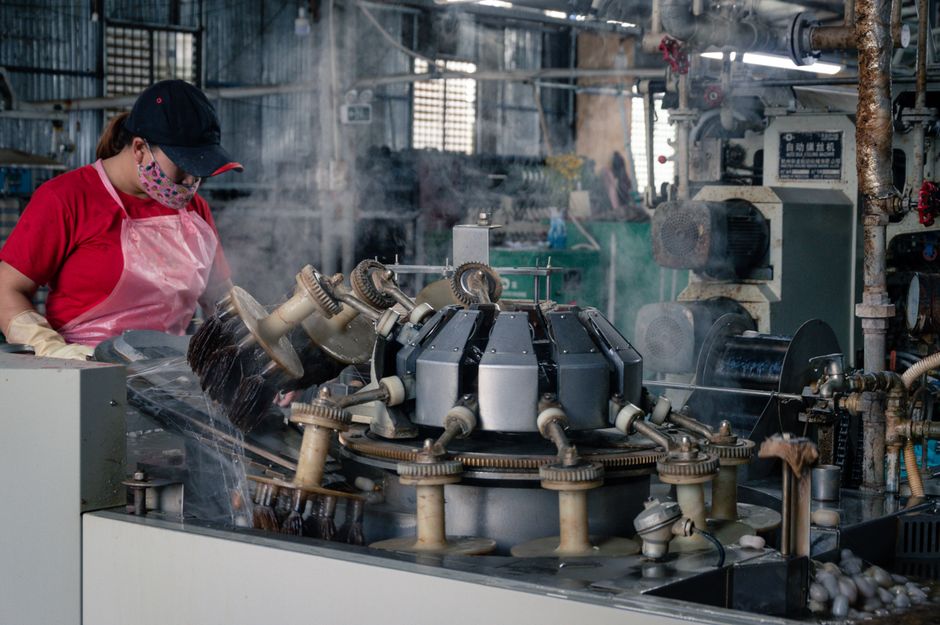
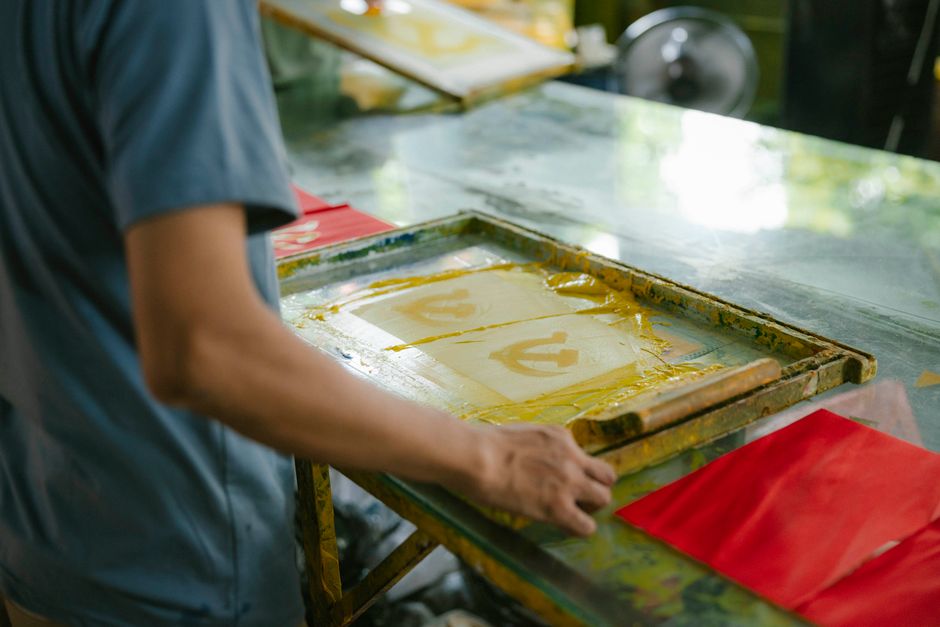
Creating a perfume is both an art and a science. Perfumers, often referred to as ‘noses,’ possess a unique skill set that combines creativity with a deep understanding of chemistry. They work with a wide range of raw materials, including essential oils, synthetic compounds, and aroma chemicals, to craft fragrances that captivate the senses.
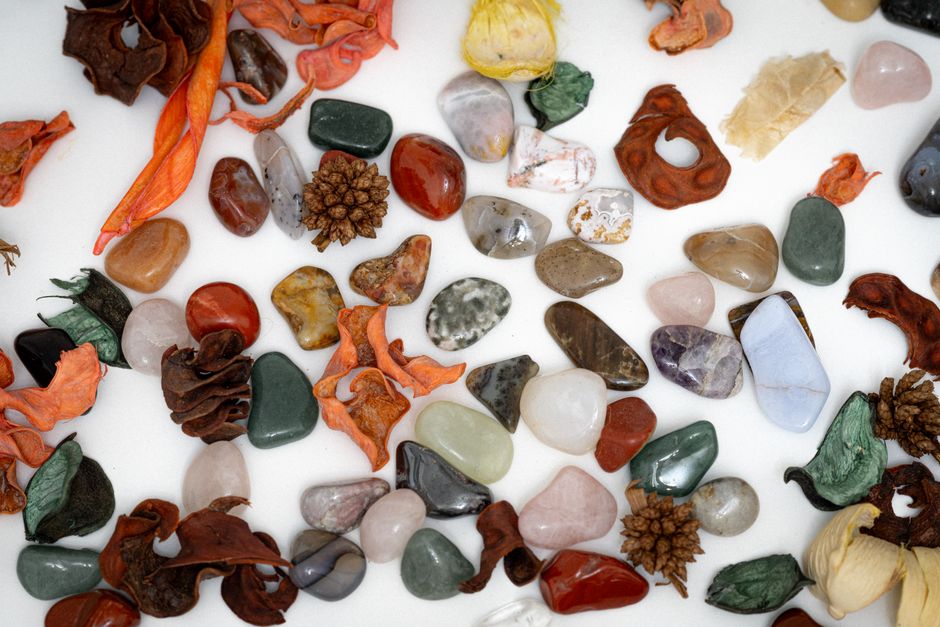
The process begins with the selection of ingredients, which can be derived from flowers, fruits, spices, and even wood. Each ingredient contributes its own character, and the challenge lies in balancing these elements to create a harmonious scent. The structure of a perfume is typically divided into three layers: the top notes, heart notes, and base notes.
Top notes are the initial scents that are perceived, often light and volatile, designed to make a quick impression. Heart notes emerge once the top notes fade, forming the core of the fragrance. Finally, base notes provide depth and longevity, lingering on the skin long after the perfume has been applied. This intricate layering is what makes each fragrance unique and memorable.
Cultural Significance of Fragrance
Perfume is more than just a personal accessory; it carries cultural significance across various societies. In many cultures, fragrance is tied to rituals, celebrations, and personal identity. For instance, in Middle Eastern cultures, the use of oud, a precious wood, in perfumes is deeply rooted in tradition and is often associated with hospitality and generosity.
In Western societies, perfume has become a form of self-expression, allowing individuals to convey their personality and mood through scent. Brands like Maison Francis Kurkdjian (MFK) offer a wide array of fragrances that cater to different preferences and occasions, further emphasizing the role of perfume in shaping identity.
Moreover, the rise of niche perfume houses has allowed for greater experimentation and creativity in fragrance creation. These brands often focus on storytelling and artistry, creating scents that resonate on a personal level with consumers.
The Future of Perfume
As we move forward, the perfume industry is poised to undergo significant changes driven by consumer preferences and technological advancements. Sustainability is becoming a crucial focus, with brands exploring eco-friendly sourcing of materials and environmentally conscious packaging.
Additionally, the advent of technology has introduced innovative ways to experience fragrance. From personalized scent recommendations based on individual preferences to virtual reality experiences that immerse consumers in the world of perfume, the future holds exciting possibilities for fragrance enthusiasts.
The digital age has also transformed how consumers interact with brands, with social media playing a pivotal role in marketing and engagement. Perfume lovers can share their experiences, reviews, and recommendations, creating a vibrant community centered around the appreciation of scent.
Conclusion
Perfume is a captivating realm that intertwines artistry, culture, and science. Its rich history and evolving nature reflect our complex relationship with scent. As we embrace the future, the world of fragrance will continue to inspire and enchant, inviting us to explore new dimensions of beauty and identity through the power of aroma.