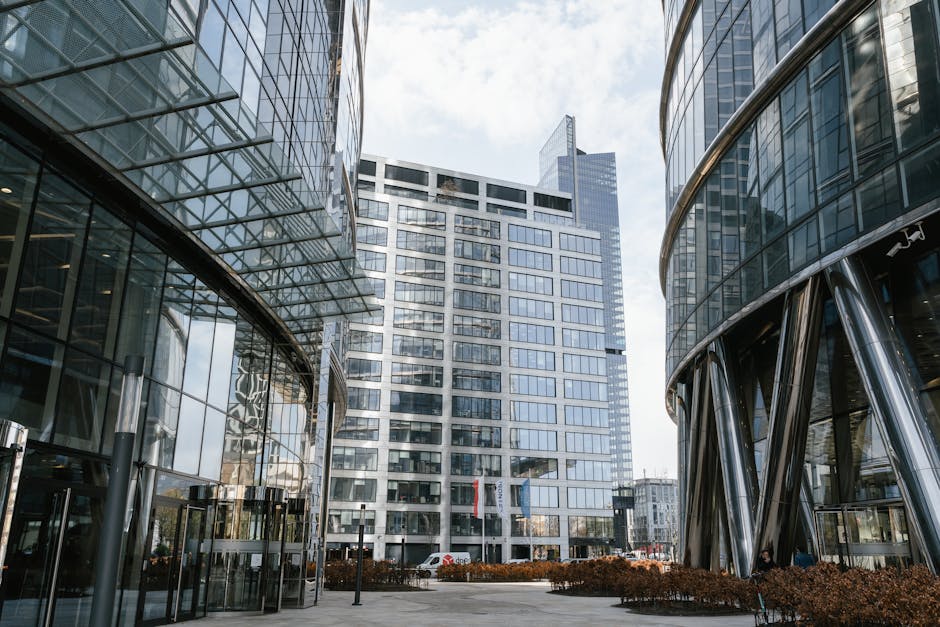

In an era where urbanization is rapidly transforming landscapes around the globe, architect firms play a crucial role in shaping the cities we inhabit. These firms are not only responsible for constructing buildings but also for creating environments that enhance the quality of life for their residents. From residential complexes to commercial skyscrapers, the contributions of architect firms are integral to the functionality and aesthetic of urban spaces.
The Evolution of Architect Firms

Architect firms have evolved significantly over the decades, adapting to new technologies, materials, and societal needs. Originally, architecture was a craftsman’s trade, but with the Industrial Revolution, it transformed into a more structured profession. Today, architect firms leverage sophisticated software and modeling tools to design buildings that are not only visually appealing but also energy-efficient and sustainable.
For example, the use of Building Information Modeling (BIM) allows architects to create detailed 3D models which can predict how a building will perform in real life. This technology has revolutionized the planning and execution phases of projects, reducing waste and improving efficiency.
Moreover, as sustainability becomes a priority, many architect firms are now focusing on green architecture. This encompasses designing buildings that minimize environmental impact, using renewable resources, and promoting energy efficiency. A clear example is the Bullitt Center in Seattle, which has been dubbed the greenest commercial building in the world.
The Importance of Collaboration
The work of architect firms is not done in isolation. Collaboration with various stakeholders, including clients, engineers, contractors, and local communities, is essential for successful project execution. This collaborative approach ensures that the final design meets the needs of all parties involved while adhering to local regulations and standards.
For instance, when designing public spaces, architect firms often hold community consultations to gather input from residents. This not only fosters a sense of ownership among community members but also results in designs that are more likely to be embraced and utilized by the public.
The integration of technology also enhances collaboration. Project management tools enable real-time communication and updates among all stakeholders, ensuring that everyone is on the same page throughout the project lifecycle.
Architect Firms and Cultural Identity
Architect firms play a pivotal role in reflecting and shaping the cultural identity of a region. The designs they produce can convey local heritage, traditions, and values. Iconic buildings often become symbols of their cities, attracting tourism and fostering local pride.
Take the Sydney Opera House as a prime example. Its unique design, inspired by the sails of ships, is not only an architectural marvel but also a representation of Australia’s maritime heritage. Such structures contribute to the cultural landscape, making architect firms key players in preserving and promoting local identity.
Furthermore, as cities become more multicultural, architect firms are tasked with creating spaces that accommodate diverse populations. This can involve designing community centers that cater to various ethnic groups or creating public art installations that celebrate cultural diversity.
Challenges Facing Architect Firms
Despite their critical role, architect firms face several challenges in today’s fast-paced environment. One significant issue is the pressure to deliver projects on time and within budget while maintaining high standards of quality. This often leads to a balancing act between creativity and practicality.
Additionally, the construction industry is notorious for its slow adoption of new technologies. Many architect firms struggle to keep up with advancements that could streamline their processes and enhance their designs. Investing in training and development is essential for firms to stay competitive in a rapidly evolving industry.
Moreover, regulatory challenges can pose significant hurdles. Navigating through zoning laws, building codes, and environmental regulations requires expertise and can prolong project timelines, often leading to frustration among clients.
The Future of Architect Firms
Looking ahead, architect firms will continue to play a transformative role in urban development. With the increasing emphasis on sustainability and resilience, firms will need to prioritize eco-friendly designs that can withstand the challenges posed by climate change.
Moreover, the integration of artificial intelligence and advanced analytics into architectural practice is expected to reshape the industry. These technologies can provide insights into user behavior, enabling architects to design spaces that better meet the needs of occupants.
As society continues to evolve, architect firms will also need to address issues such as affordable housing and urban density. Creative solutions will be required to develop housing that is accessible to all while making efficient use of limited urban space.
Conclusion
In conclusion, architect firms are vital to the development of modern cities. Their expertise in design, collaboration, and cultural representation is essential for creating spaces that enhance urban living. As they navigate challenges and embrace new technologies, architect firms will remain at the forefront of shaping the future of our urban environments. For those seeking expert guidance on architectural projects, a reputable architect firm can provide invaluable support in realizing their vision.