
In recent years, the luxury fashion market has seen a significant transformation, driven by the rise of luxury brand resellers. These platforms are reshaping how consumers access high-end fashion items, making luxury more attainable while also promoting sustainability through the resale of pre-owned goods. This article explores the intricacies of luxury brand reselling, its impact on the fashion industry, and tips for navigating this exciting market.
Understanding Luxury Brand Reselling
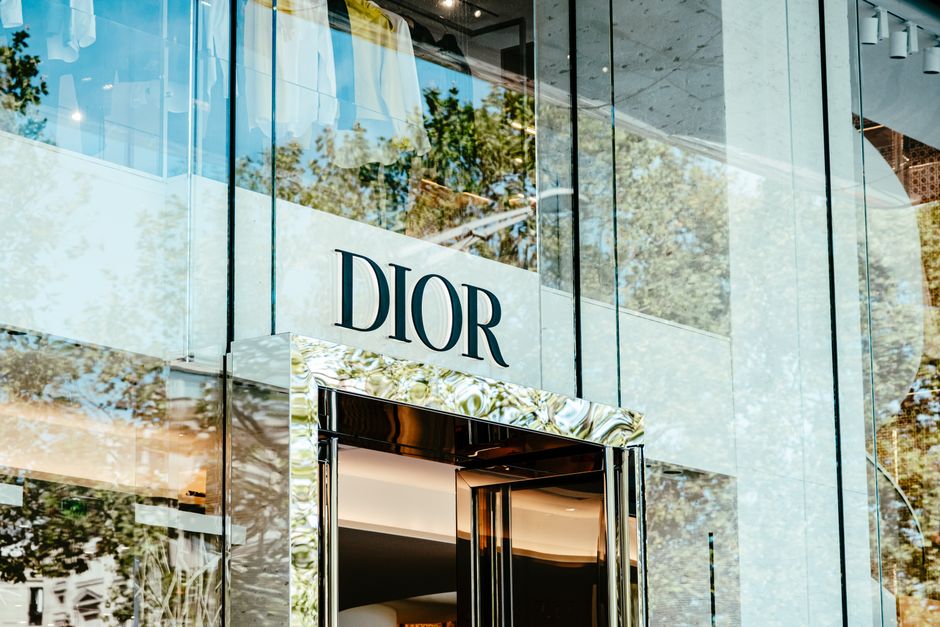
Luxury brand reselling refers to the practice of buying and selling high-end fashion items through third-party platforms. These resellers provide a marketplace for individuals to sell their pre-owned luxury goods, giving new life to items that might otherwise go unused. The appeal of luxury reselling lies not only in the potential savings for consumers but also in the unique opportunity to obtain rare or discontinued items.
The luxury resale market has grown exponentially, with estimates suggesting it could reach $64 billion by 2024. This growth is fueled by a combination of factors, including the increasing popularity of sustainable fashion and the desire for unique pieces that stand out in a sea of fast fashion.
Many consumers are now more environmentally conscious and are seeking ways to reduce their fashion footprint. By purchasing from a luxury brand reseller, shoppers can enjoy luxury items without contributing to the negative impacts of overproduction in the fashion industry.
The Benefits of Buying from Resellers
One of the primary advantages of purchasing luxury items from resellers is the cost savings. Many pre-owned luxury goods are available at significant discounts compared to their original retail prices. This allows consumers to invest in high-quality pieces without breaking the bank.
Additionally, luxury resellers often authenticate the items they sell, providing buyers with confidence in their purchases. Companies like The RealReal and Vestiaire Collective have established rigorous authentication processes to ensure that customers receive genuine products.
Another benefit is the opportunity to find rare pieces that may no longer be available in traditional retail channels. For collectors and fashion enthusiasts, this can be a thrilling aspect of shopping with resellers, as they might stumble upon a coveted item that completes their collection.
Navigating the Resale Market
While the luxury resale market offers numerous advantages, it also comes with its challenges. Buyers should be cautious and do their homework before making a purchase. Researching the reseller’s reputation and reading customer reviews can help ensure a positive buying experience.
It’s also essential to familiarize yourself with the specific brand’s resale value. Certain items hold their value better than others, and understanding this can help you make informed purchasing decisions. For instance, classic handbags from brands like Chanel or Hermès tend to retain their value exceptionally well, while seasonal items may depreciate more quickly.
Another tip is to be patient and vigilant. Luxury items can sell out quickly, especially at attractive prices. By setting up alerts or following your favorite resellers on social media, you can stay informed about new arrivals and score great deals.
The Role of Technology in Luxury Reselling
Technology plays a crucial role in the luxury resale market, facilitating connections between buyers and sellers. Many resellers utilize mobile apps and online platforms to streamline the shopping experience, making it easier than ever to browse, buy, and sell luxury items.
Additionally, advancements in artificial intelligence and blockchain technology are helping to enhance the authentication process. These technologies can verify the authenticity of luxury goods more effectively, further instilling trust in consumers.
Moreover, social media has become a powerful tool for resellers to showcase their inventory and engage with potential buyers. Influencer collaborations and targeted advertising on platforms like Instagram have also contributed to the growth of luxury brand resellers.
Conclusion
The rise of luxury brand resellers marks a significant shift in the fashion landscape, providing consumers with accessible luxury options while promoting sustainability. As this market continues to evolve, both buyers and sellers have the opportunity to benefit from the unique offerings available. By understanding the dynamics of luxury reselling and approaching it with caution, fashion enthusiasts can enjoy the thrill of acquiring high-end goods while making eco-conscious choices.