
In recent years, the conversation around mental health has gained significant traction. As society becomes more aware of the importance of mental well-being, the role of psychiatric hospitals has also evolved. These institutions serve as critical facilities that provide specialized care for individuals facing severe mental health challenges. This article delves into the functions, types, and significance of psychiatric hospitals in today’s healthcare landscape.
What is a Psychiatric Hospital?

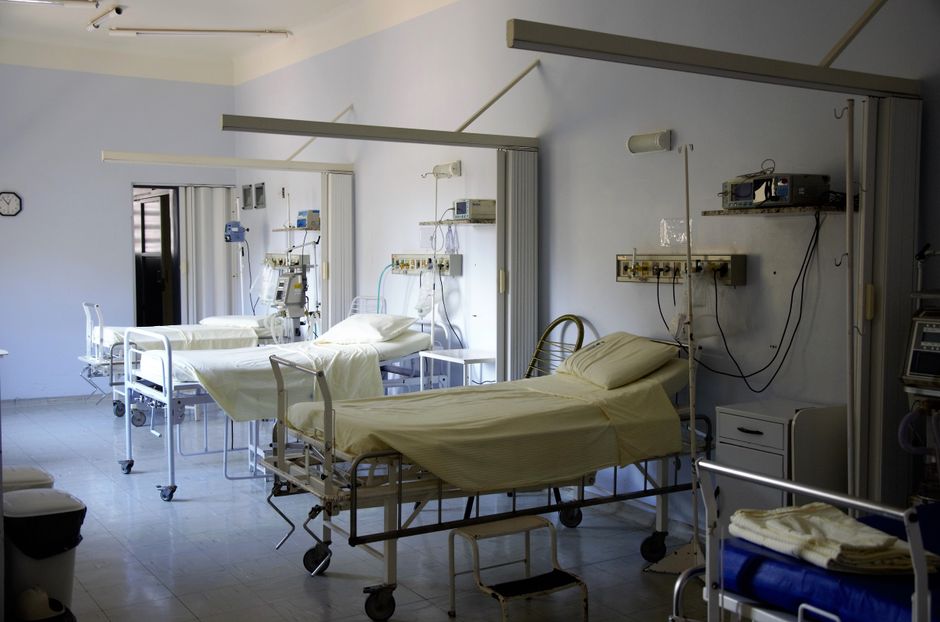
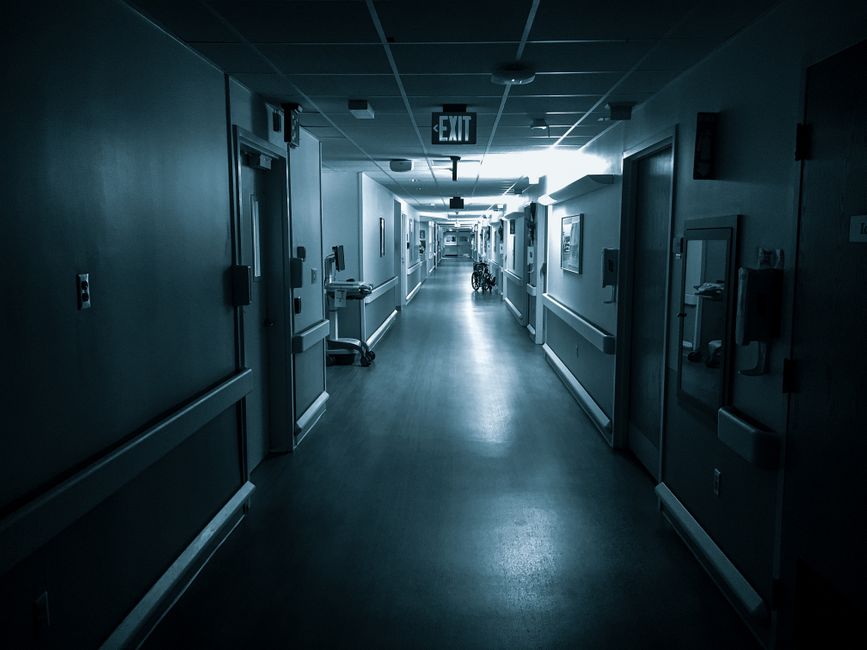
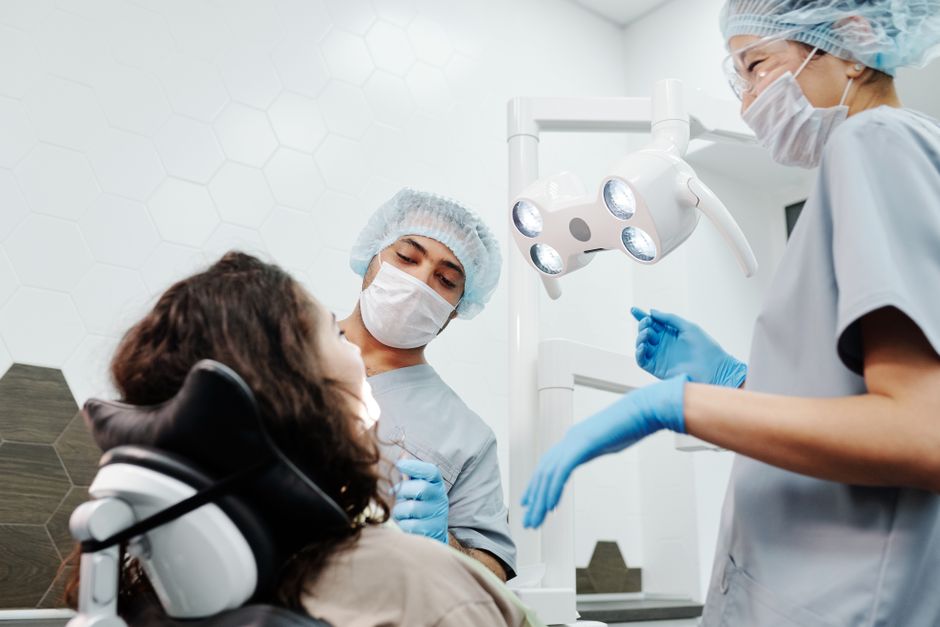
A psychiatric hospital is a medical facility dedicated to the treatment of patients with mental disorders. Unlike general hospitals, psychiatric hospitals focus specifically on mental health issues, providing a supportive environment where patients can receive both medical and therapeutic care. These institutions are equipped with trained professionals, including psychiatrists, psychologists, and psychiatric nurses, who work together to develop personalized treatment plans.
The primary goal of psychiatric hospitals is to stabilize patients in crisis, manage acute symptoms, and facilitate long-term recovery. Patients may be admitted voluntarily or involuntarily, depending on the severity of their condition and the potential risk they pose to themselves or others.
Types of Psychiatric Hospitals
Psychiatric hospitals can be categorized into various types, each tailored to meet specific patient needs. General psychiatric hospitals provide comprehensive mental health services for a wide range of disorders, including depression, anxiety, schizophrenia, and bipolar disorder. These facilities often have a range of treatment modalities, including medication management, individual therapy, and group therapy.
On the other hand, specialized psychiatric hospitals focus on specific populations or conditions. For instance, some facilities cater exclusively to children and adolescents, while others may focus on geriatric patients or individuals with substance abuse disorders. This specialization allows for targeted interventions that are developmentally appropriate and relevant to the unique challenges faced by different age groups or conditions.
Common Treatments Offered
Psychiatric hospitals offer a variety of treatment options to address the diverse needs of their patients. These treatments often include medication management, psychotherapy, and psychoeducation. Medication management involves the careful prescription and monitoring of psychiatric medications, which can help stabilize mood and alleviate symptoms.
Therapy in psychiatric hospitals typically includes cognitive-behavioral therapy (CBT), dialectical behavior therapy (DBT), and group therapy sessions. These therapeutic approaches aim to help patients develop coping strategies, improve interpersonal skills, and process their emotions in a safe environment.
In addition to traditional therapies, many psychiatric hospitals incorporate holistic practices, such as art therapy, music therapy, and mindfulness exercises. These alternatives can complement conventional treatment methods and promote overall well-being.
The Importance of Psychiatric Hospitals
Psychiatric hospitals play a vital role in the mental health care system. They provide a safe haven for individuals in crisis, allowing for immediate stabilization and treatment. The structured environment of a psychiatric hospital can help patients break the cycle of distress and begin their recovery journey.
Moreover, psychiatric hospitals contribute to reducing the stigma surrounding mental illness. By offering compassionate care and support, these institutions foster understanding and acceptance in the community. They also serve as educational resources for families and loved ones, helping them navigate the complexities of mental health issues.
In recent years, the integration of psychiatric services within general healthcare settings has also increased, reflecting a growing recognition of the importance of mental health in overall well-being. This trend highlights the need for collaboration between various healthcare providers, including those who work as a Psychiatrist in dubai, to ensure comprehensive care for patients.
Challenges Faced by Psychiatric Hospitals
Despite their essential role, psychiatric hospitals face numerous challenges. One significant issue is the stigma associated with mental illness, which can deter individuals from seeking help. Additionally, the availability of resources, including funding and staff, can impact the quality of care provided in these facilities.
Furthermore, the rising demand for mental health services often outpaces the capacity of psychiatric hospitals. This can lead to overcrowding, longer wait times for admission, and a strain on the existing workforce. Addressing these challenges requires systemic changes, increased funding, and a commitment to prioritizing mental health in public health agendas.
Conclusion
Psychiatric hospitals are crucial components of the mental health care system, providing specialized services to those in need. As awareness of mental health continues to grow, the importance of these facilities cannot be overstated. By understanding the role and function of psychiatric hospitals, society can better support individuals facing mental health challenges and work towards creating a more inclusive environment for all.