
In an age where digital media often overshadows traditional forms of content, the art of book production remains a vital practice. Understanding the intricacies involved in transforming a manuscript into a finished book is essential for authors, publishers, and even enthusiasts. This guide delves into the various stages of book production, from initial concept to final print, offering insights into each step that contributes to the successful creation of a book.
Understanding the Book Production Process

Book production is a multi-faceted process that encompasses several critical stages. At its core, it involves turning a written manuscript into a tangible product that can be distributed and sold. The process typically begins with editing, where the manuscript is refined for clarity, coherence, and style. This stage is essential as it ensures that the content is not only engaging but also free from errors.
Following editing, the manuscript moves into the design phase. This includes layout and typesetting, where the text is formatted for readability and aesthetic appeal. Designers work closely with the content to choose appropriate fonts, spacing, and overall layout to enhance the reading experience. This collaboration between editors and designers is crucial, as it directly impacts the book’s marketability.
The Role of Technology in Book Production
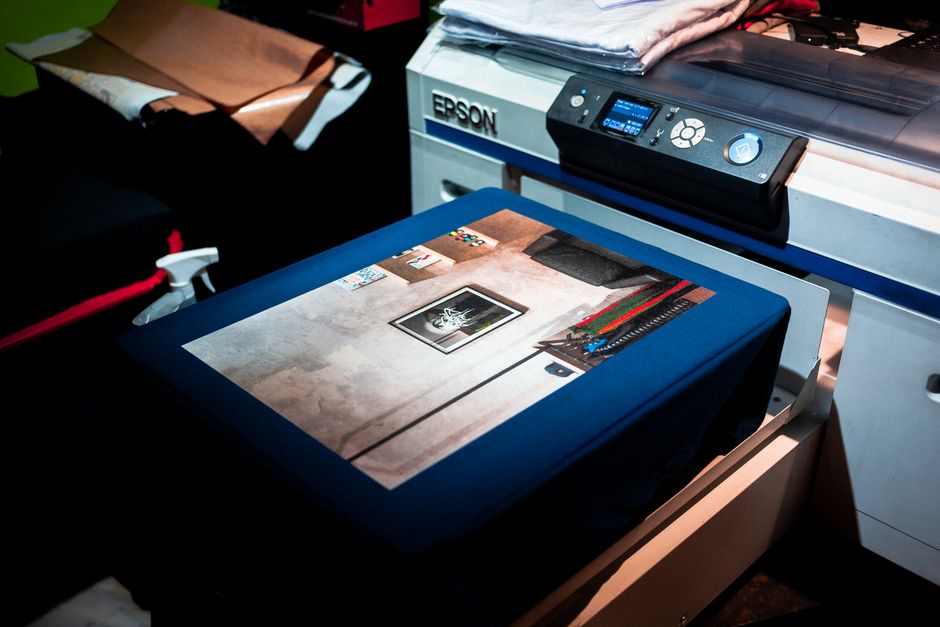
Advancements in technology have revolutionized the book production process. Digital printing, for instance, allows for on-demand printing, reducing waste and inventory costs. This method is particularly beneficial for independent authors and small publishers who may not have the resources for large print runs. With digital printing, books can be produced as needed, making it easier to respond to market demands.
Additionally, software tools have made it simpler for authors and publishers to manage the production process. Programs for layout design, editing, and project management streamline workflows and enhance collaboration among team members. These technological advancements not only improve efficiency but also allow for greater creativity in book production.
Quality Control in Book Production
Quality control is another crucial aspect of the book production process. It encompasses several checks to ensure that the final product meets industry standards. This includes proofing stages where printed versions of the book are reviewed for errors in text, layout, and images. Publishers often employ professional proofreaders to catch mistakes that might have been overlooked during the editing phase.
Moreover, the quality of materials used in book production, such as paper and ink, plays a significant role in the durability and overall quality of the book. High-quality materials not only enhance the book’s aesthetic value but also ensure that it can withstand the test of time, making it a worthy investment for readers.
Marketing and Distribution Strategies
The final stages of book production extend beyond the physical creation of the book. Marketing and distribution are critical components that determine the book’s success in the market. Publishers must develop a comprehensive marketing strategy that identifies the target audience and outlines promotional activities. This could include social media campaigns, book signings, and collaborations with bookstores.
In addition to marketing, distribution networks are essential for ensuring the book reaches its readers. This involves selecting the right distribution channels, whether through traditional bookstores, online retailers, or direct sales at events. Understanding the dynamics of these channels can significantly impact the book’s visibility and sales.
The Future of Book Production
As the publishing industry continues to evolve, so too does the field of book production. Trends such as self-publishing and hybrid publishing models are gaining traction, allowing authors greater control over their work. Tools and services that facilitate these processes are becoming increasingly accessible, democratizing the world of publishing.
Moreover, the integration of sustainability practices in book production is on the rise. Many publishers are now seeking eco-friendly materials and printing methods to minimize their environmental impact, reflecting a growing awareness of sustainability in the industry.
In conclusion, the art and science of book production is a complex yet rewarding field. Each stage, from writing and editing to design and distribution, plays a pivotal role in bringing a book to life. For those interested in exploring this field, resources and services are available to assist in every aspect of the process. For example, individuals looking to transform their creative projects often seek ways to turn cards into a book uk, highlighting the innovative approaches that are now accessible to aspiring authors and creators.