
Education is a cornerstone of society, influencing economic development, social cohesion, and personal growth. As we navigate the complexities of the 21st century, the landscape of education is evolving at an unprecedented pace. From digital classrooms to personalized learning experiences, the trends shaping education today are not only innovative but essential for preparing future generations. This article delves into the current trends in education, examining how technology, pedagogy, and policy are transforming the learning experience.
The Rise of Online Learning

One of the most significant shifts in education has been the rise of online learning platforms. With the advent of the internet, educational resources have become more accessible than ever. According to a report by the Online Learning Consortium, over 6 million students in the United States were enrolled in at least one online course in 2019. This trend has only accelerated due to the COVID-19 pandemic, which forced schools to pivot to remote learning.
Online learning offers numerous advantages, including flexibility in scheduling and the ability to access a wide range of courses from anywhere in the world. However, it is not without its challenges. Many students struggle with self-discipline and time management in a virtual environment. Additionally, the lack of face-to-face interaction can lead to feelings of isolation among learners. To address these issues, many institutions are incorporating hybrid models that combine online and in-person instruction, enhancing student engagement.
As education continues to embrace digital tools, the importance of fostering digital literacy cannot be overstated. Educators must equip students with the skills to navigate the online world safely and effectively, ensuring they can thrive in an increasingly digital future.
Personalized Learning Experiences
Personalized learning is another trend gaining momentum in education. This approach tailors the learning experience to meet the individual needs, interests, and abilities of each student. By utilizing data analytics and adaptive learning technologies, educators can create customized learning paths that allow students to progress at their own pace.
Research shows that personalized learning can lead to improved academic outcomes. A study conducted by the Bill & Melinda Gates Foundation found that students in personalized learning environments outperformed their peers in traditional settings. Moreover, personalized learning fosters a sense of ownership and accountability in students, motivating them to take charge of their education.
However, implementing personalized learning requires careful planning and resources. Educators must be trained to use data effectively and develop curricula that can be adapted to diverse learning styles. Additionally, schools must invest in technology and infrastructure to support these efforts, making it essential for policymakers to prioritize funding for educational innovation.
Emphasis on Social-Emotional Learning
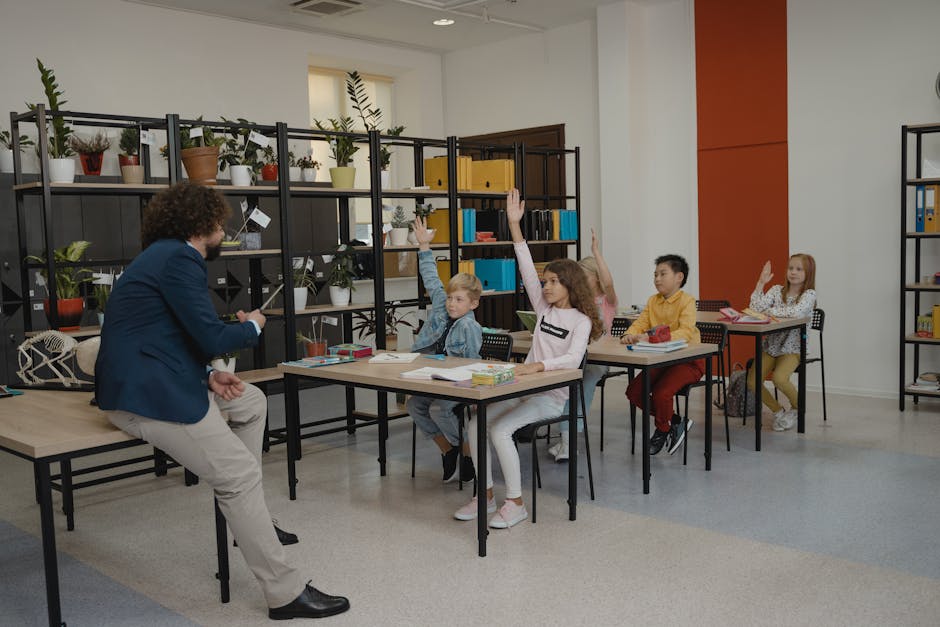
In recent years, there has been a growing recognition of the importance of social-emotional learning (SEL) in education. SEL focuses on developing students’ emotional intelligence, resilience, and interpersonal skills, which are crucial for success both inside and outside the classroom.
A report from the Collaborative for Academic, Social, and Emotional Learning highlights the positive impact of SEL on academic performance, behavior, and mental health. Schools that prioritize SEL create a supportive environment where students feel valued and engaged, leading to heightened motivation and academic achievement.
To effectively integrate SEL into the curriculum, educators can employ various strategies, such as mindfulness practices, collaborative projects, and open discussions about emotions. By fostering a culture of empathy and understanding, schools can better prepare students to navigate the complexities of life and build meaningful relationships.
Technology Integration and Innovative Tools
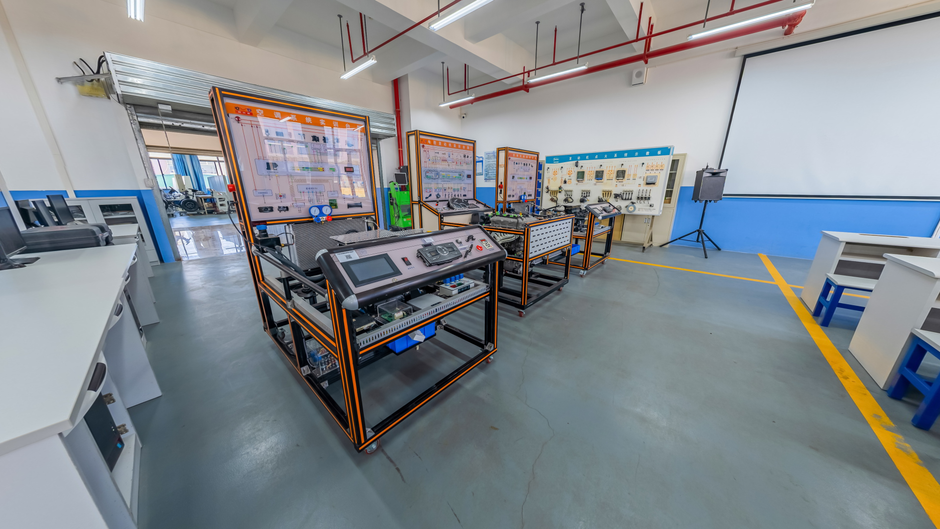
Technology integration is at the forefront of educational reform, providing students and educators with innovative tools to enhance the learning experience. From virtual reality (VR) to artificial intelligence (AI), emerging technologies are transforming how knowledge is delivered and absorbed.
For instance, VR allows students to immerse themselves in interactive learning environments, offering experiences that would be impossible in a traditional classroom. A study published in the Journal of Educational Technology & Society found that students who used VR for learning demonstrated higher engagement and retention rates compared to their peers.
Moreover, AI-powered tools can assist educators in assessing student performance and providing real-time feedback. These technologies enable personalized instruction and help identify areas where students may need additional support. However, educators must remain vigilant about the ethical implications of using technology in education, ensuring that student data is protected and that all learners have equal access to technological resources.
Policy Changes and Educational Equity
As education evolves, so too must the policies that govern it. Policymakers are increasingly recognizing the need to address educational equity, ensuring that all students have access to high-quality education regardless of their background. This includes advocating for funding for under-resourced schools, supporting diverse hiring practices, and implementing inclusive curricula that reflect the experiences of all students.
Educational equity is not just a moral imperative but also an economic necessity. According to a report from the McKinsey Global Institute, closing the achievement gap in education could add $1.3 trillion to the U.S. economy by 2030. Investing in equitable education systems benefits not only individuals but society as a whole.
To achieve these goals, collaboration between educators, policymakers, and communities is essential. By working together, stakeholders can create a more inclusive and equitable educational landscape that prepares all students for success in a rapidly changing world.
Conclusion
The future of education is bright, characterized by innovation, inclusivity, and a commitment to meeting the diverse needs of learners. As we continue to embrace technology and personalized learning, it is crucial to prioritize social-emotional development and educational equity. By doing so, we can prepare the next generation for the challenges and opportunities that lie ahead. Education is not just about acquiring knowledge; it is about nurturing well-rounded individuals who can contribute positively to society. As we look forward, let us champion the changes necessary to create a more effective and equitable education system for all.
For those interested in exploring educational resources, platforms like toto togel can provide valuable insights and tools.