
Mental health is a critical component of overall well-being, and psychiatric hospitals play a significant role in the treatment and management of mental health disorders. These institutions are designed to provide specialized care for individuals experiencing severe mental health issues, offering a structured environment where patients can receive comprehensive treatment. Understanding the functions, benefits, and challenges of psychiatric hospitals is essential for both patients and their families seeking effective mental health care.
What is a Psychiatric Hospital?
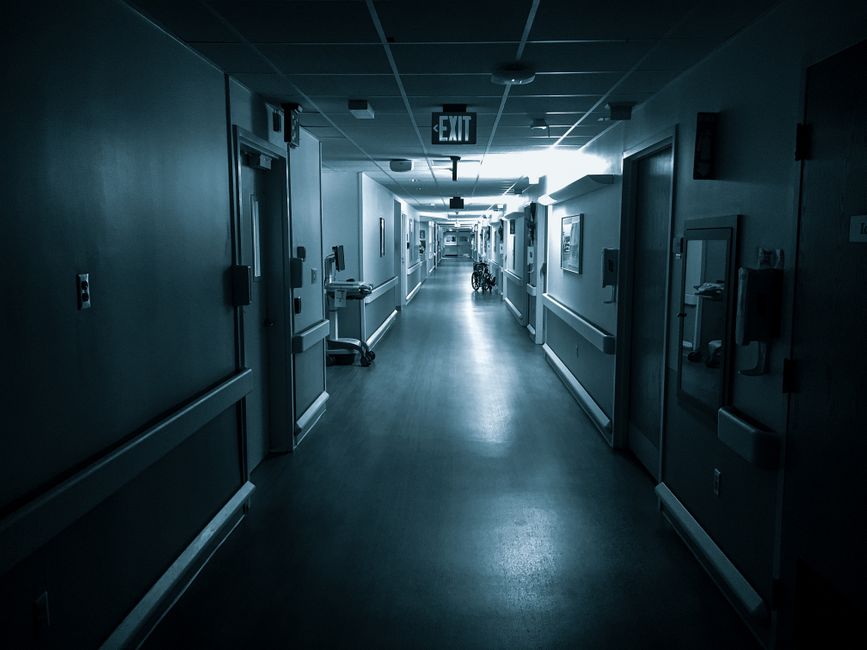
A psychiatric hospital, also known as a mental health facility or psychiatric unit, is a medical institution dedicated to the treatment of individuals with mental disorders. These hospitals differ from general hospitals in that they provide specialized services tailored to the needs of patients facing psychiatric challenges. They offer various treatment modalities, including medication management, psychotherapy, and rehabilitation programs, all aimed at helping patients achieve stability and improve their quality of life.
Typically, psychiatric hospitals are staffed by a multidisciplinary team, including psychiatrists, psychologists, psychiatric nurses, and social workers. This collaborative approach allows for a comprehensive assessment and personalized treatment plan for each patient. In many cases, psychiatric hospitals also provide crisis intervention services, helping individuals in acute distress who require immediate assistance.
The Importance of Inpatient Care
Inpatient psychiatric care is crucial for individuals dealing with severe mental health crises, such as suicidal ideation, psychosis, or severe depression. The structured environment of a psychiatric hospital allows for close monitoring and intensive treatment that may not be feasible in outpatient settings. For example, studies have shown that patients who receive inpatient care for conditions like schizophrenia or bipolar disorder often experience better outcomes than those who do not.
Moreover, inpatient care provides a safe space for patients to stabilize their symptoms. During their stay, individuals can participate in various therapeutic activities, such as group therapy, art therapy, and recreational therapy, which can aid in their recovery process. The goal is not only to alleviate immediate symptoms but also to equip patients with coping strategies and skills to manage their mental health in the long term.
Common Treatments Offered
Psychiatric hospitals employ a variety of treatment methods, depending on the specific needs of the patients. One of the most common treatments is medication management, where psychiatrists prescribe medications to help regulate mood, reduce anxiety, or manage psychotic symptoms. Medications such as antidepressants, antipsychotics, and mood stabilizers are frequently used and are often combined with psychotherapy for optimal results.
Psychotherapy, or talk therapy, is another cornerstone of treatment in psychiatric hospitals. Different therapeutic approaches, such as cognitive-behavioral therapy (CBT), dialectical behavior therapy (DBT), and supportive therapy, are utilized based on individual patient needs. These therapies help patients explore their thoughts and feelings, develop coping strategies, and address underlying issues contributing to their mental health conditions.
Additionally, many psychiatric hospitals offer specialized programs for certain populations, such as adolescents, veterans, or those struggling with substance abuse. These programs are tailored to address the unique challenges faced by these groups, providing targeted support and resources.
Challenges Faced by Psychiatric Hospitals
Despite their essential role in mental health care, psychiatric hospitals face several challenges. One significant issue is the stigma surrounding mental illness, which can deter individuals from seeking help. Many people still harbor misconceptions about psychiatric treatment, fearing that hospitalization equates to a lack of autonomy or severe mental illness.
Furthermore, psychiatric hospitals often contend with limited resources, which can impact the quality of care provided. Budget constraints, staffing shortages, and high patient-to-provider ratios can lead to challenges in delivering timely and effective treatment. These issues may result in longer wait times for admission and a reduced ability to offer individualized care.
Another challenge is the need for ongoing support after discharge. Transitioning back to everyday life can be difficult for patients who have been hospitalized, and without adequate follow-up care, there is a risk of relapse. Therefore, effective discharge planning and community support services are crucial for ensuring long-term success in managing mental health conditions.
Conclusion
Psychiatric hospitals play a vital role in the mental health care system, providing essential services for individuals in crisis and those with severe mental health disorders. By offering a structured environment for treatment, these institutions help patients stabilize their symptoms and develop coping strategies for their ongoing mental health journey. However, addressing the challenges faced by psychiatric hospitals, including stigma, resource limitations, and post-discharge support, is crucial for enhancing the quality of care and outcomes for patients. For those seeking mental health support, consulting with a qualified Psychiatrist dubai can be an important step in the right direction.