
Medical associations play a crucial role in shaping the landscape of healthcare across the globe. These organizations not only advocate for healthcare professionals but also influence public health policies, promote medical research, and ensure the continuous education of their members. In this article, we will explore the various functions of medical associations, their impact on healthcare systems, and the challenges they face in the modern era.
The Functions of Medical Associations
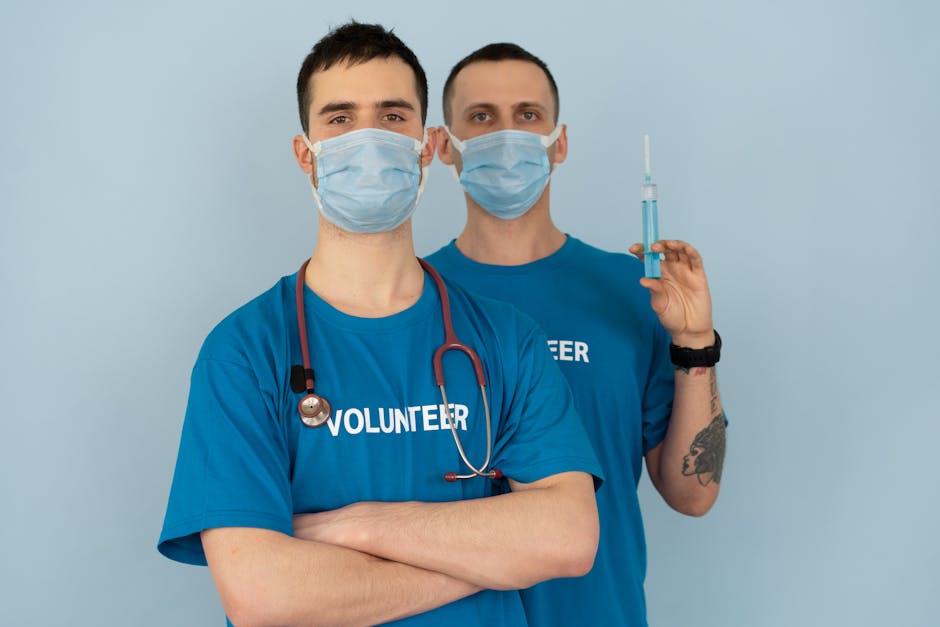
Medical associations serve multiple functions that are essential for the advancement of healthcare. One of their primary roles is to advocate for the interests of healthcare professionals. By representing doctors, nurses, and other medical personnel, these associations ensure that their voices are heard in policy-making processes. For instance, the American Medical Association (AMA) has been instrumental in shaping healthcare legislation in the United States, lobbying for issues such as healthcare access and physician reimbursement.
In addition to advocacy, medical associations provide a platform for professional development. They organize conferences, workshops, and seminars that allow healthcare professionals to enhance their skills and stay updated with the latest medical advancements. This continuous education is vital in a field that is constantly evolving due to technological advancements and emerging health challenges.
Moreover, medical associations often publish journals and research findings that contribute to the body of medical knowledge. By disseminating important studies and guidelines, these organizations help to ensure that healthcare practitioners are equipped with the information necessary to provide high-quality care.
Impact on Public Health Policies
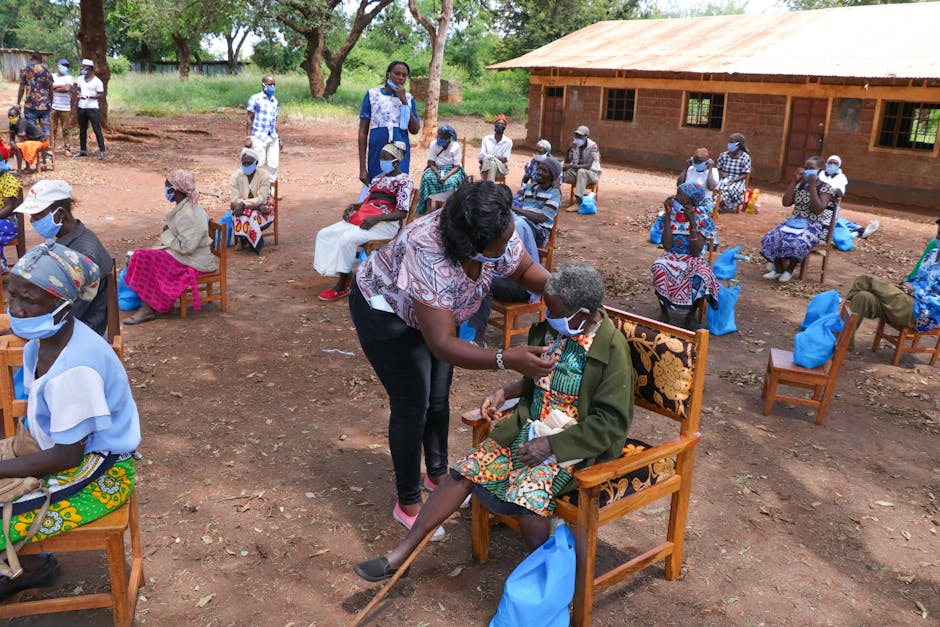
Medical associations significantly influence public health policies by collaborating with government agencies and other stakeholders. They conduct research and provide evidence-based recommendations that shape health policies at local, national, and international levels. For example, during health crises such as the COVID-19 pandemic, medical associations have played a pivotal role in advising governments on best practices for managing public health responses.
Furthermore, these organizations often engage in public awareness campaigns aimed at educating the public about health issues. By promoting preventive measures and healthy lifestyle choices, medical associations contribute to reducing the incidence of diseases and improving community health outcomes.
To illustrate, the World Health Organization (WHO) has partnered with various medical associations globally to launch initiatives targeting vaccination, maternal health, and chronic disease management. These collaborations have proven effective in mobilizing resources and expertise to tackle pressing health challenges.
Challenges Faced by Medical Associations
Despite their significant contributions, medical associations face several challenges in the current healthcare environment. One major issue is the growing skepticism towards professional organizations. In an age of information overload and misinformation, some members of the public question the credibility of these associations and their motives, which can undermine their effectiveness.
Additionally, medical associations often grapple with financial constraints. As membership dues fluctuate and funding sources diversify, maintaining operational sustainability becomes increasingly challenging. For instance, many associations have had to adapt by offering virtual education programs and finding alternative revenue streams.
Moreover, the rapid pace of technological advancement poses a challenge for medical associations to keep their members informed and trained. With innovations such as telemedicine and artificial intelligence reshaping the healthcare landscape, these organizations must continuously evolve their educational offerings to meet the changing needs of their members.
Future Directions for Medical Associations
Looking ahead, medical associations must embrace innovation to remain relevant in the ever-changing healthcare environment. This includes leveraging technology to improve communication and engagement with members. For instance, the implementation of online platforms and mobile applications can enhance accessibility to resources and networking opportunities.
Furthermore, fostering collaborations with other healthcare stakeholders, including public health organizations, government agencies, and industry partners, can amplify their impact. By working together, medical associations can tackle complex health issues more effectively and ensure that their members are at the forefront of healthcare advancements.
Lastly, promoting diversity and inclusion within medical associations is essential for reflecting the diverse populations they serve. By ensuring that various voices and perspectives are represented, these organizations can better address the needs of all communities and improve health equity.
Conclusion
In conclusion, medical associations play a vital role in the healthcare ecosystem by advocating for professionals, influencing public health policies, and promoting continuous education. While they face challenges such as skepticism, financial constraints, and the need for adaptation to technological advancements, their future remains promising. By embracing innovation and collaboration, medical associations can continue to enhance the quality of healthcare and positively impact public health outcomes. As we navigate the complexities of modern healthcare, the contributions of these organizations will be more important than ever. Additionally, healthcare professionals looking to enhance their knowledge and skills may find resources through various channels, such as nagapetir, which offer insightful information and educational materials.