
Handmade pizza has become a culinary phenomenon that captivates food lovers around the globe. Far beyond the convenience of frozen or pre-made options, handmade pizza offers a unique blend of flavor, texture, and creativity. The process itself is an art form, allowing chefs and home cooks alike to express their culinary skills while satisfying their taste buds. In this article, we will explore the intricacies of handmade pizza, from its rich history to the essential techniques and ingredients that make it truly special.
History of Handmade Pizza
The origins of pizza can be traced back to ancient civilizations, but it was in Naples, Italy, during the 18th century that handmade pizza began to take shape as we know it today. Street vendors would sell flatbreads topped with various ingredients, catering to the needs of the working class. This humble dish quickly gained popularity, leading to the establishment of pizzerias where the art of crafting pizza was perfected. By the late 19th century, the Margherita pizza, topped with tomatoes, mozzarella, and basil, was created to honor Queen Margherita of Savoy, cementing pizza’s status as a culinary treasure.
As pizza spread across the globe, each region put its own spin on the dish, resulting in a myriad of styles and flavors. From the thin, crispy crusts of New York-style pizza to the thick, doughy bases of Chicago deep-dish, the handmade approach remains at the heart of what makes pizza so beloved. Today, artisanal pizzerias are opening up in cities worldwide, where chefs dedicate themselves to the craft of handmade pizza, using high-quality, locally sourced ingredients.
Essential Ingredients for Handmade Pizza
Creating the perfect handmade pizza begins with the selection of high-quality ingredients. The foundation of any great pizza lies in its dough. Traditional pizza dough is made from just four ingredients: flour, water, yeast, and salt. The type of flour used can significantly impact the final product; for example, Caputo 00 flour is often favored for its fine texture and high protein content, which contributes to a chewy yet crispy crust.
In addition to the dough, the choice of toppings is crucial. Fresh, seasonal ingredients can elevate a pizza from ordinary to extraordinary. For instance, using San Marzano tomatoes for sauce adds a rich sweetness, while high-quality mozzarella cheese, preferably buffalo mozzarella, provides a creamy texture. Other toppings, such as fresh basil, prosciutto, and artisanal salami, can add depth and flavor. The balance of flavors is key; each ingredient should complement one another without overpowering the overall taste.
The Technique of Handmade Pizza Making
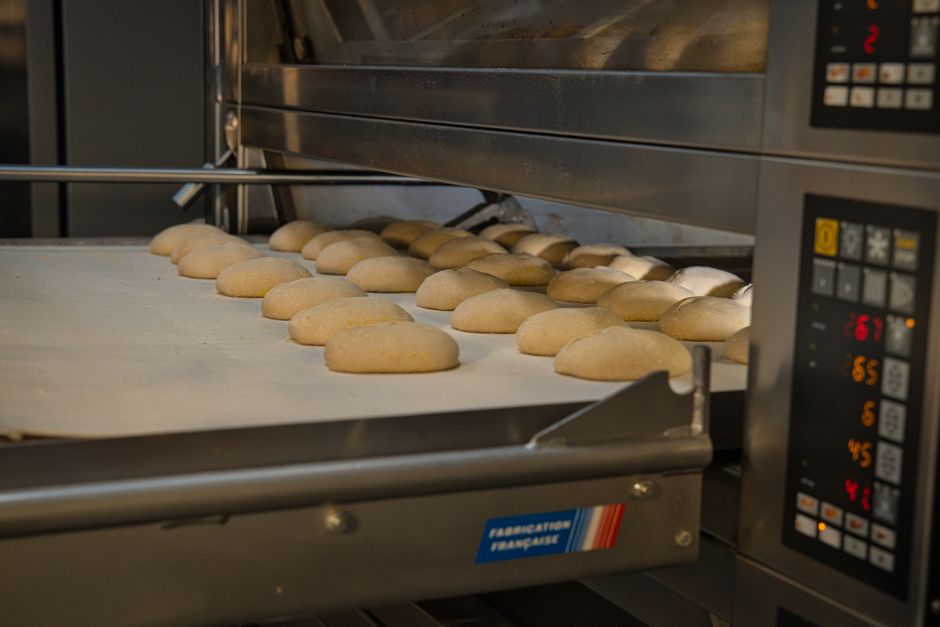
The process of making handmade pizza is as important as the ingredients themselves. First, kneading the dough properly is essential to develop gluten, which gives the crust its structure. After kneading, the dough should be left to rise, ideally in a warm environment, allowing it to double in size. This fermentation process not only enhances the flavor but also improves the texture.
When it comes time to shape the pizza, many chefs prefer to stretch the dough by hand rather than using a rolling pin, as this technique helps retain the air bubbles within the dough, leading to a lighter crust. The ideal thickness for the crust often varies by style, but a general rule of thumb is to aim for about a quarter inch in the center, tapering to a slightly thicker edge.
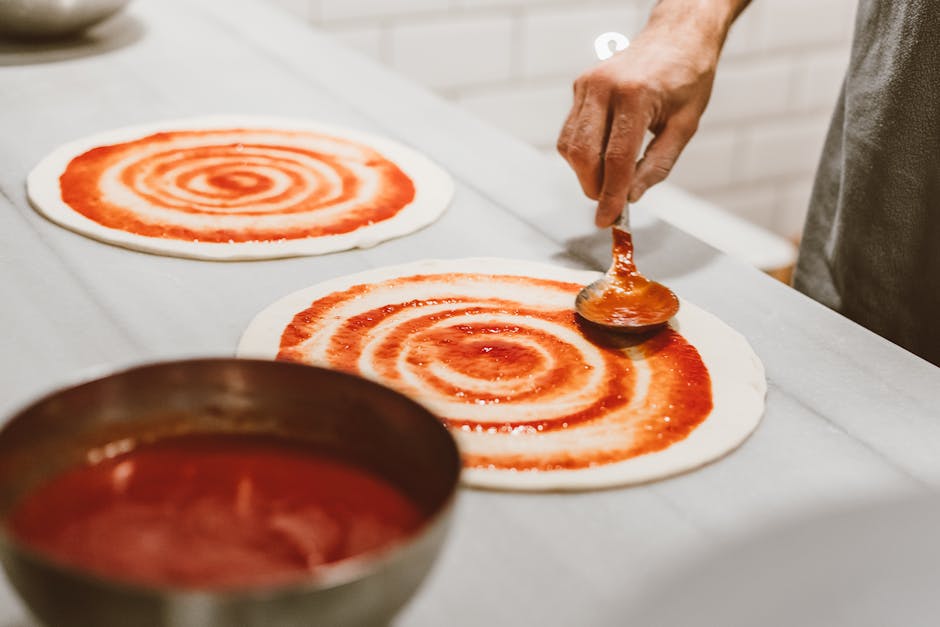
Once the dough is shaped, it’s time for the toppings. Start with a thin layer of sauce, followed by a generous amount of cheese, and then add the desired toppings. Baking the pizza in a high-temperature oven is crucial; a wood-fired oven can reach temperatures of up to 900°F, resulting in a beautifully charred crust while keeping the inside soft and chewy. For those without access to a wood-fired oven, a pizza stone can help replicate these conditions in a conventional oven.
Popular Styles of Handmade Pizza
As handmade pizza has evolved, various styles have emerged, each with its unique characteristics. Neapolitan pizza, known for its soft and chewy crust, is traditionally topped with simple ingredients and cooked at high temperatures for a short period. In contrast, New York-style pizza features a thin, foldable crust that is perfect for on-the-go eating.
Chicago deep-dish pizza takes a different approach, with a thick crust that serves as a vessel for layers of cheese, toppings, and sauce. This style is often baked in a deep pan, resulting in a hearty and filling dish. Other popular styles include Sicilian, with its thick, rectangular shape, and California-style, which is known for its innovative toppings and fresh ingredients.
Regardless of the style, what remains consistent across all handmade pizzas is the emphasis on quality and craftsmanship. The rise of gourmet pizzerias has led to the exploration of unconventional toppings and flavor combinations, further expanding the boundaries of what pizza can be.
Conclusion: The Joy of Handmade Pizza
Handmade pizza is more than just a meal; it is a celebration of creativity, tradition, and flavor. Whether enjoyed at a local pizzeria or crafted at home, the process of making and sharing pizza fosters connection and joy. As the popularity of handmade pizza continues to grow, it serves as a reminder of the simple pleasures in life. The next time you indulge in a slice, consider the artistry behind it—the careful selection of ingredients, the meticulous technique, and the rich history that has shaped this beloved dish. For those looking to elevate their pizza experience, exploring gourmet options like LUXURY 777 can be a delightful adventure.