
Stainless steel has become a staple in various industries due to its unique properties and aesthetic appeal. Known for its resistance to corrosion and staining, this versatile material is used in everything from kitchen appliances to structural components in buildings. In this article, we will delve into the fascinating world of stainless steel, exploring its history, types, applications, and the reasons behind its enduring popularity.
A Brief History of Stainless Steel
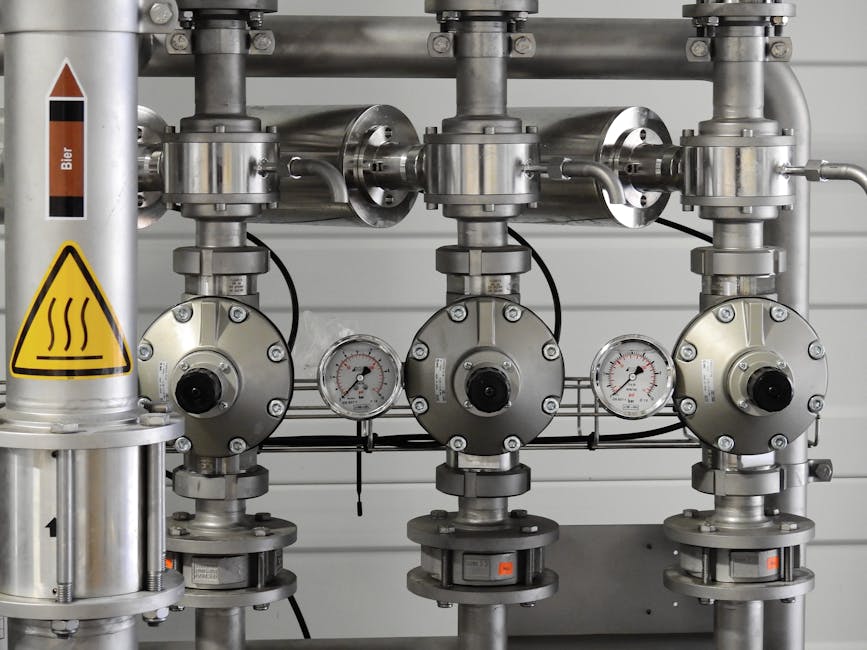
The invention of stainless steel dates back to the early 20th century when Harry Brearley, a British metallurgist, discovered an alloy that combined chromium and steel. This groundbreaking discovery led to the development of a material that could withstand rust and corrosion, making it ideal for a variety of applications. Since then, stainless steel has evolved through numerous innovations, becoming a key player in modern manufacturing.
The first commercial use of stainless steel was in cutlery and kitchenware, where its durability and attractive finish quickly gained popularity. Over the decades, its use expanded to industries such as construction, automotive, and aerospace, where its strength and lightweight properties are invaluable.
Types of Stainless Steel
Stainless steel is generally categorized into five main types: austenitic, ferritic, martensitic, duplex, and precipitation-hardening. Each type has distinct properties that make it suitable for specific applications. For instance, austenitic stainless steel, which contains high levels of nickel and chromium, is known for its excellent corrosion resistance and is commonly used in kitchen appliances and food processing equipment.
On the other hand, ferritic stainless steel offers good resistance to stress corrosion cracking and is often used in automotive applications. Martensitic stainless steel, characterized by high carbon content, is known for its hardness and is frequently employed in cutlery and surgical instruments. Duplex stainless steel, which combines austenitic and ferritic properties, provides high strength and excellent corrosion resistance, making it ideal for chemical processing industries.
Applications of Stainless Steel
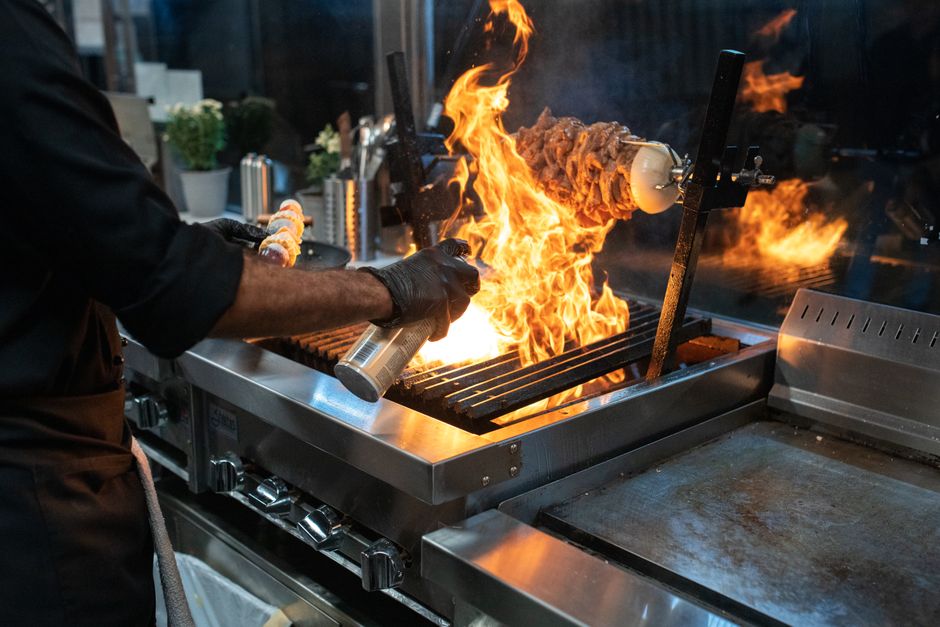
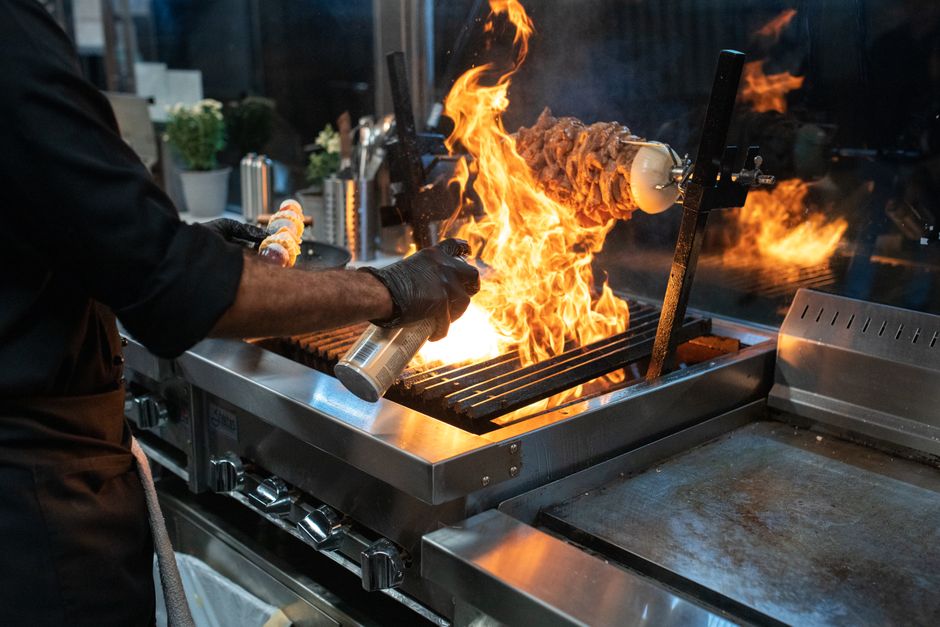
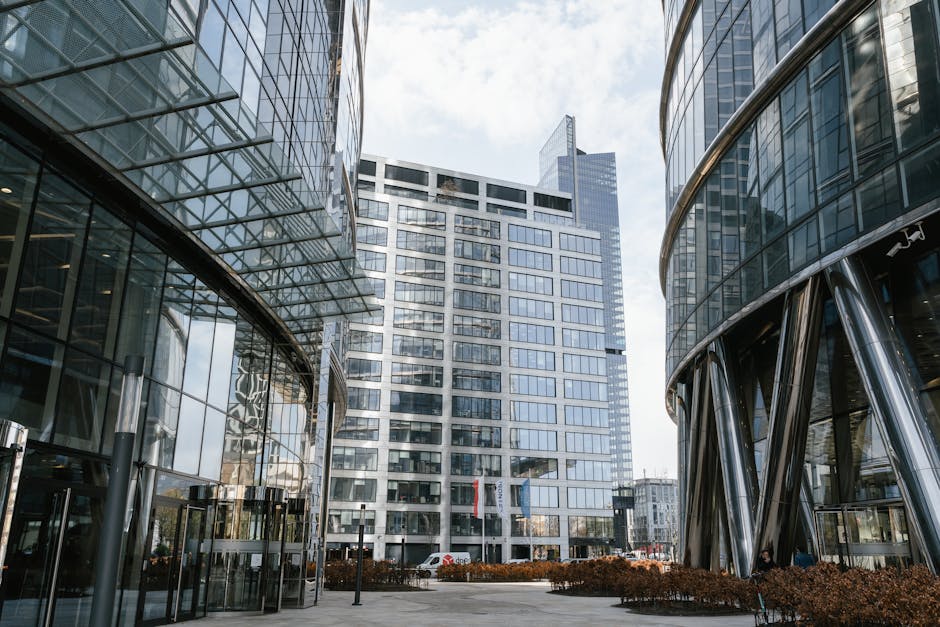
The applications of stainless steel are virtually limitless. In the culinary world, stainless steel is the go-to material for cookware, cutlery, and kitchen sinks due to its ease of cleaning and resistance to bacteria. In the construction industry, stainless steel is used for structural components, facades, and roofing materials, providing both strength and aesthetic appeal.
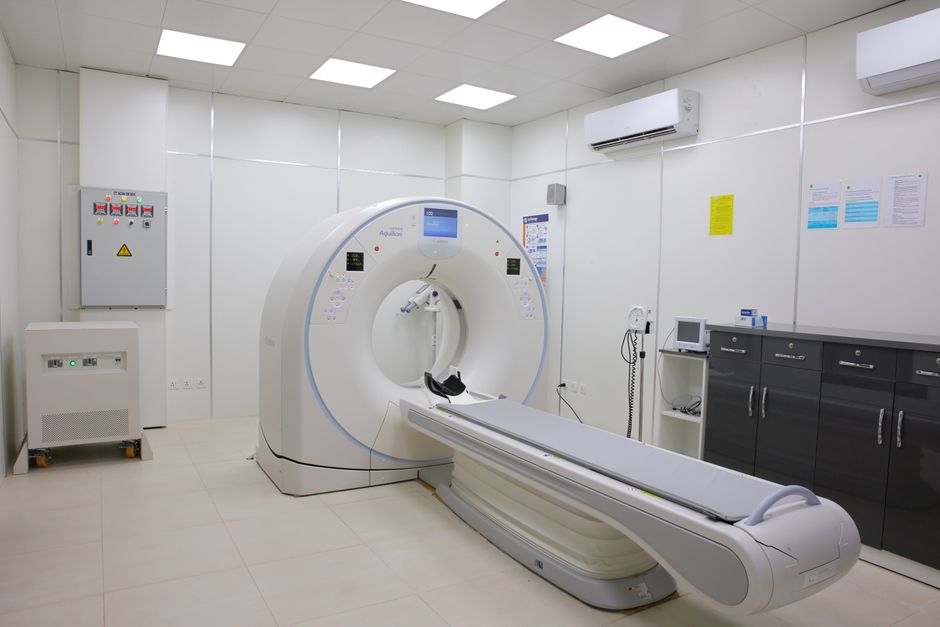
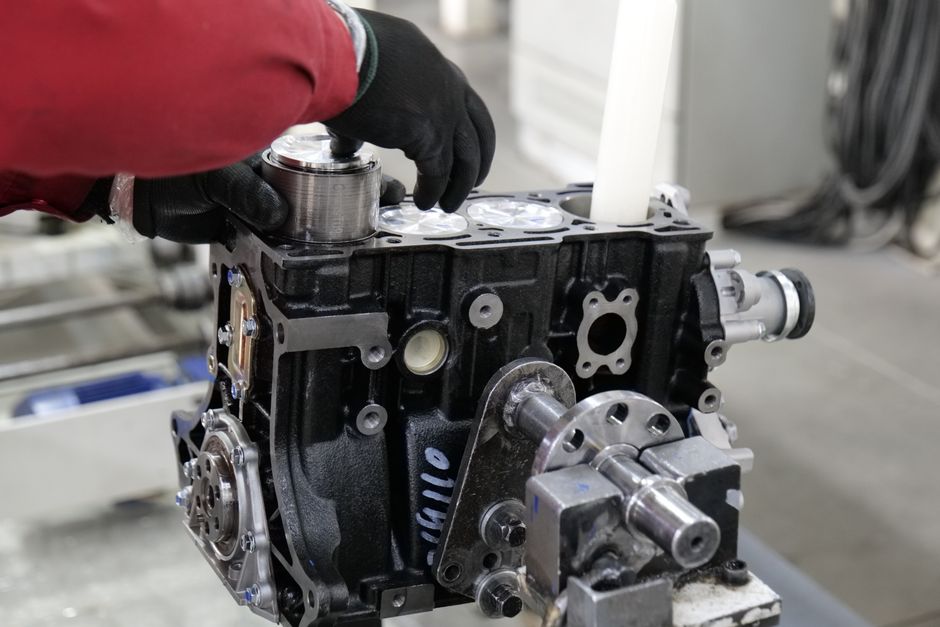
Moreover, the automotive industry extensively uses stainless steel for exhaust systems, fuel tanks, and body panels, where durability and performance are crucial. Additionally, the medical field relies on stainless steel for surgical instruments and implants, as the material is non-reactive and can be easily sterilized.
Environmental Impact and Sustainability
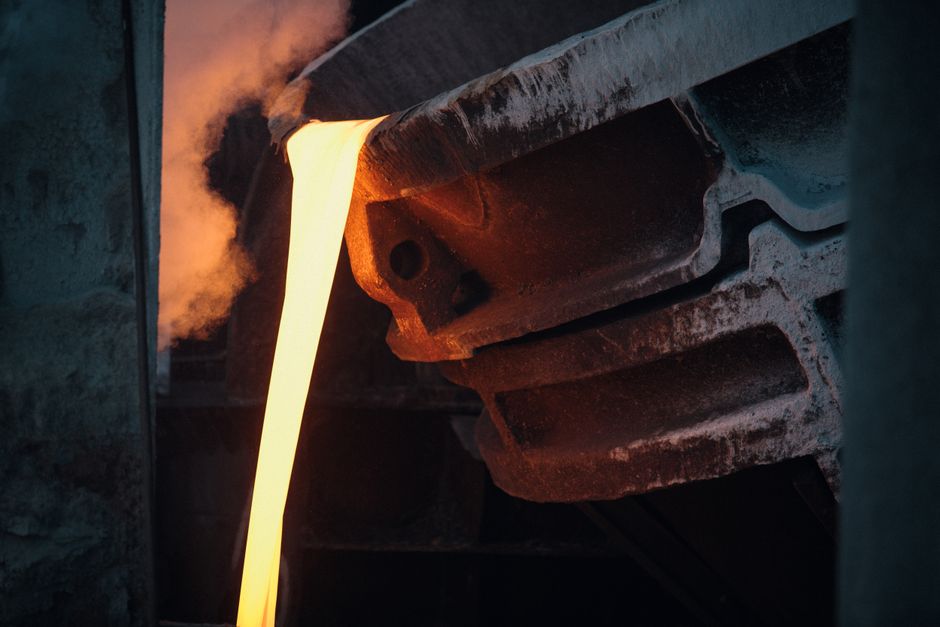
In today’s world, sustainability is more important than ever, and stainless steel holds a significant advantage in this regard. It is a fully recyclable material, which means that once it reaches the end of its life cycle, it can be melted down and repurposed without losing its intrinsic properties. This recyclability contributes to a reduction in waste and helps conserve natural resources.
Furthermore, the production process of stainless steel has become increasingly efficient, with manufacturers implementing eco-friendly practices to minimize their environmental footprint. Innovations in the recycling process and the use of renewable energy sources in production have made stainless steel an even more sustainable choice for consumers and businesses alike.
The Future of Stainless Steel
As technology continues to advance, the future of stainless steel looks promising. Ongoing research and development are focused on enhancing its properties and expanding its applications. For instance, the automotive industry is exploring the use of advanced stainless steel alloys to improve fuel efficiency and reduce emissions.
Moreover, with the rise in demand for sustainable materials, stainless steel is positioned to play a crucial role in green building initiatives. Its durability, low maintenance requirements, and recyclability make it an attractive option for architects and builders looking to create environmentally friendly structures.
In conclusion, stainless steel is more than just a material; it is a symbol of innovation and practicality. Its unique properties, combined with a commitment to sustainability, ensure that it will remain a vital component in various industries for years to come. Whether you are looking to invest in durable kitchenware or seeking materials for a construction project, the versatility and reliability of stainless steel make it an excellent choice.
For those interested in high-quality stainless steel products, consider exploring options from a reputable Furniture Company In Saudi Arabia, which offers a range of stainless steel furniture that combines style and durability.