
In today’s digital age, the prevalence of fraudulent invoices has surged, posing significant risks to businesses of all sizes. These deceptive practices not only lead to financial losses but also damage professional relationships and reputations. Understanding how to detect and combat fraudulent invoices is crucial for any organization that values its integrity and financial health.
The Anatomy of a Fraudulent Invoice

Fraudulent invoices can take many forms, but they often share common characteristics that can help in identifying them. Typically, these invoices may have discrepancies in billing addresses, unusual payment methods, or even discrepancies in the services or goods listed. For example, an invoice that lists products that were never ordered or services that were never rendered is a strong indicator of fraud.
Moreover, fraudsters often use sophisticated tactics to make their invoices appear legitimate. They may use official-looking logos and formatting to deceive recipients. It’s essential for businesses to train their employees to recognize these red flags. Regular audits and checks can also help in minimizing the risk of falling victim to such fraudulent activities.
Common Techniques Used by Fraudsters
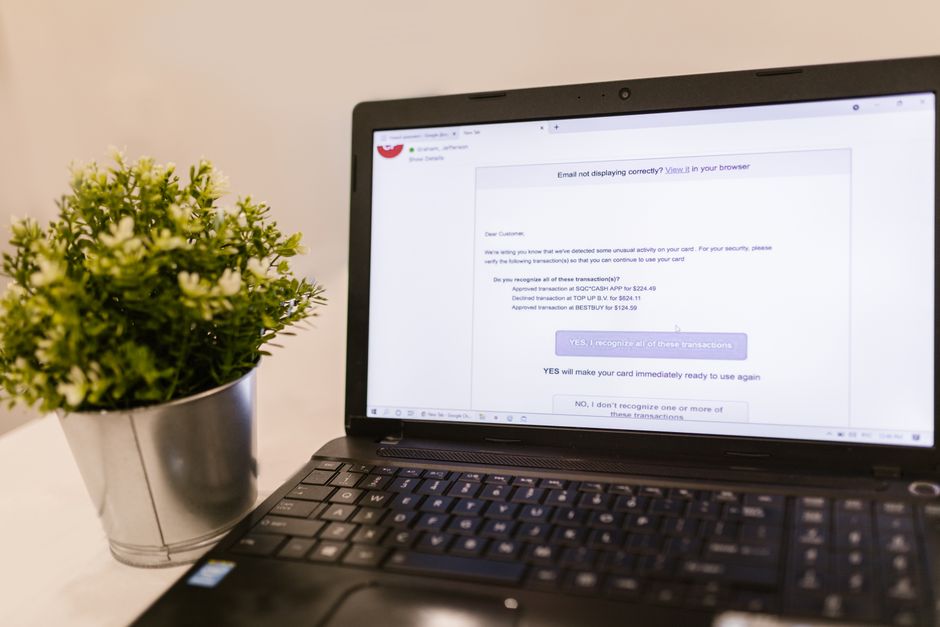
Fraudsters employ various techniques to manipulate invoice processing. One common method is the use of phishing attacks, where they pose as legitimate vendors to trick employees into making payments. These phishing emails typically contain links or attachments that, when clicked, compromise the recipient’s security.
Another technique is the creation of fake companies that mimic real businesses. Fraudsters may register a company name that closely resembles a legitimate one and generate invoices that appear authentic. For instance, if a company named “ABC Supplies” exists, a fraudster may create an entity called “ABCD Supplies” and issue invoices that look similar to those of the legitimate company.
Steps to Detect Fraudulent Invoices
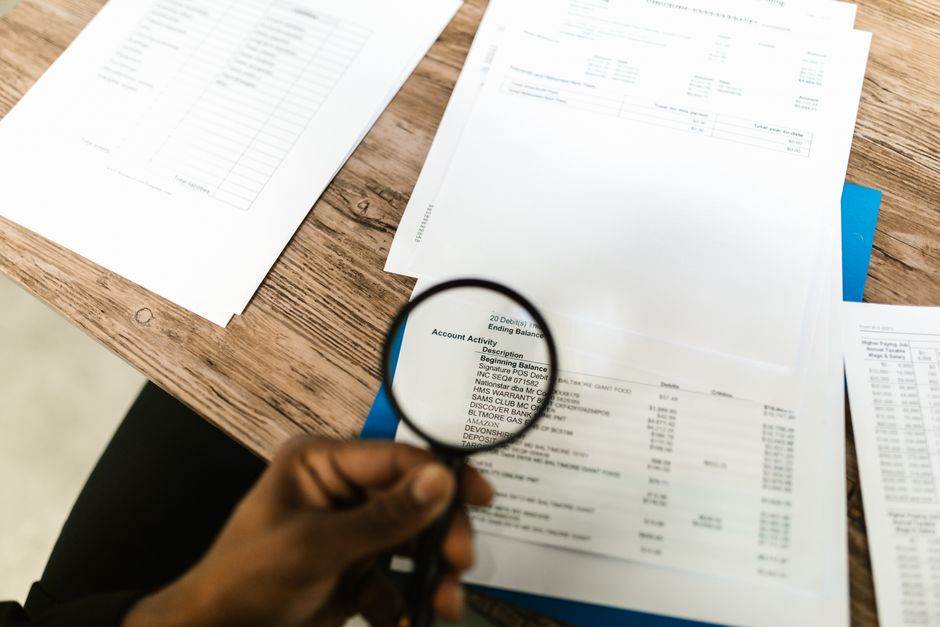
Detecting fraudulent invoices requires vigilance and a systematic approach. First and foremost, businesses should implement a robust verification process for all incoming invoices. This includes cross-checking invoices against purchase orders and receipts. Additionally, maintaining open communication with vendors can help clarify any discrepancies.
Utilizing technology can also significantly aid in detecting fraud. Advanced software solutions can analyze patterns in invoice submissions, flagging any anomalies that may indicate fraudulent activity. For example, if a particular vendor suddenly submits an unusually high volume of invoices, this could trigger a red flag for further investigation.
Furthermore, training employees on how to detect fraud invoice schemes is crucial. Regular workshops and updates on the latest fraud tactics can empower staff to be more vigilant in their roles.
Preventative Measures to Mitigate Risks
While it’s essential to detect fraudulent invoices, preventing such fraud from occurring in the first place is equally important. Businesses should establish a clear policy regarding invoice processing and approvals. This includes designating specific individuals responsible for reviewing and approving invoices.
Implementing two-factor authentication for payments can also serve as an effective deterrent against fraud. By requiring additional verification steps, businesses can minimize the risk of unauthorized payments being processed.
Moreover, regularly reviewing vendor relationships and evaluating their credibility can help in ensuring that businesses only engage with legitimate suppliers. Conducting background checks and verifying business licenses can significantly reduce the chances of falling victim to fraudulent invoicing.
Conclusion: Staying Vigilant Against Invoice Fraud
As fraudulent invoices continue to evolve in complexity and sophistication, businesses must remain proactive in their defense strategies. By understanding the common tactics used by fraudsters, implementing robust detection methods, and fostering a culture of vigilance among employees, organizations can significantly reduce their risks. Ultimately, staying informed and prepared is the best way to protect against the rising threat of fraudulent invoices and ensure a secure financial future.