
In the competitive world of dining, the interior design of a restaurant is as crucial as the menu. A well-thought-out design not only enhances the aesthetic appeal but also significantly influences customer experience and satisfaction. From color schemes to furniture choices, every element plays a vital role in creating an inviting atmosphere that can attract and retain customers. In this article, we will explore the key aspects of restaurant interior design, offering practical insights and examples to inspire your next project.
Understanding the Importance of Restaurant Interior Design
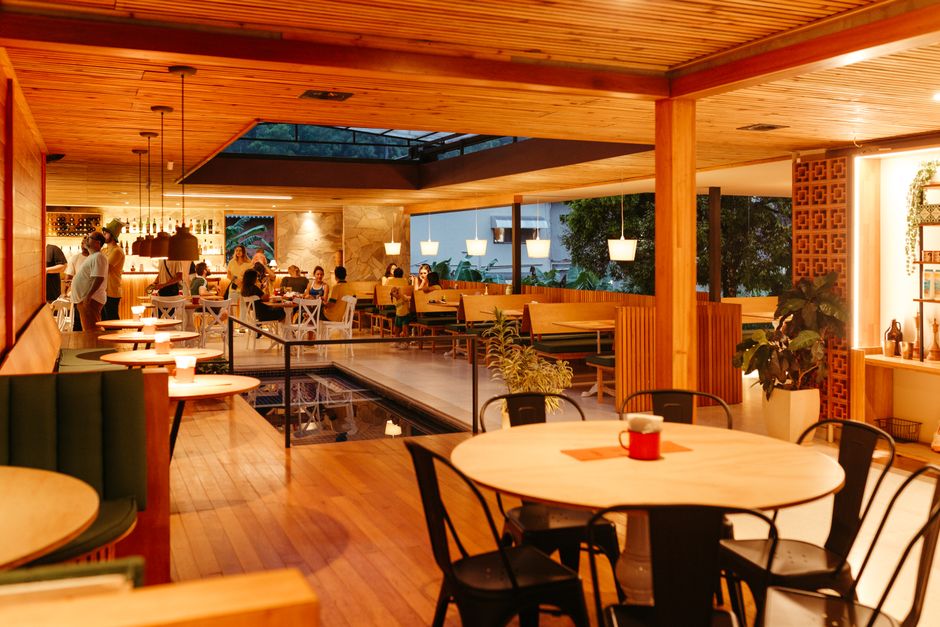
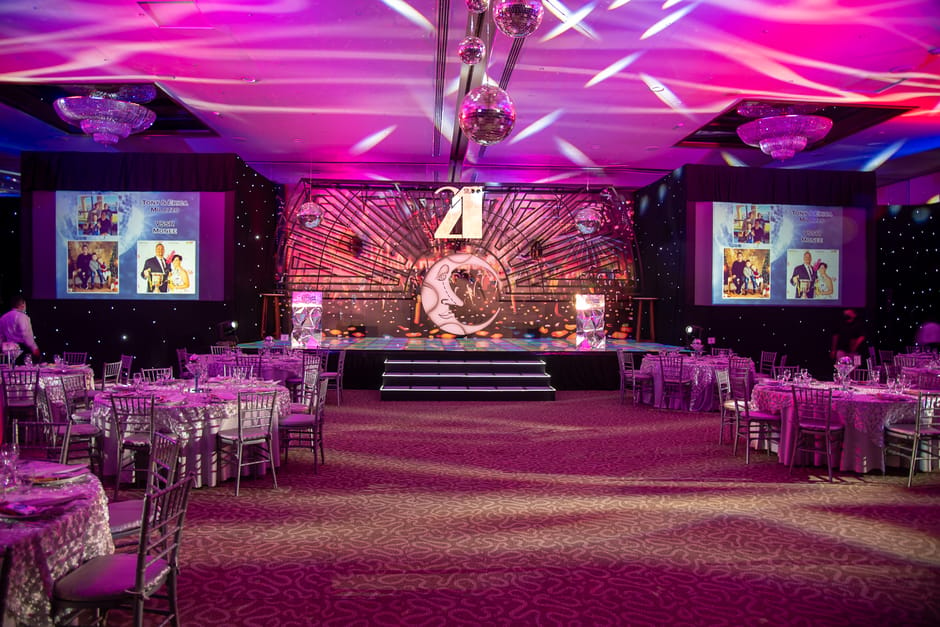
The interior design of a restaurant serves multiple purposes. Firstly, it establishes the brand identity and theme, allowing diners to understand what to expect from the dining experience. For instance, a fine dining establishment may opt for elegant furnishings and subdued lighting to create a sophisticated ambiance, while a casual eatery may choose bright colors and playful decor to convey a more relaxed vibe. According to a study by the University of Nevada, 60% of diners said that they are influenced by the restaurant’s decor when making dining choices.
Moreover, an effective design can improve the functionality of the space. Considerations such as seating arrangements, traffic flow, and acoustics can greatly enhance customer comfort and service efficiency. For example, a well-planned layout allows waitstaff to move freely, reducing wait times and enhancing the overall experience. When designing a restaurant’s interior, it is essential to balance aesthetics with practicality.
Elements of Effective Restaurant Interior Design
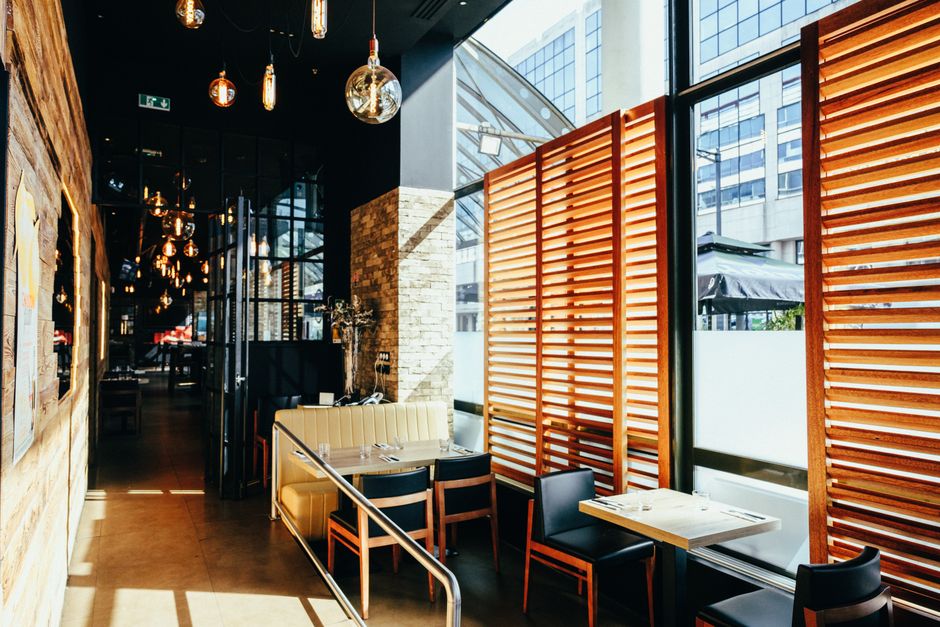
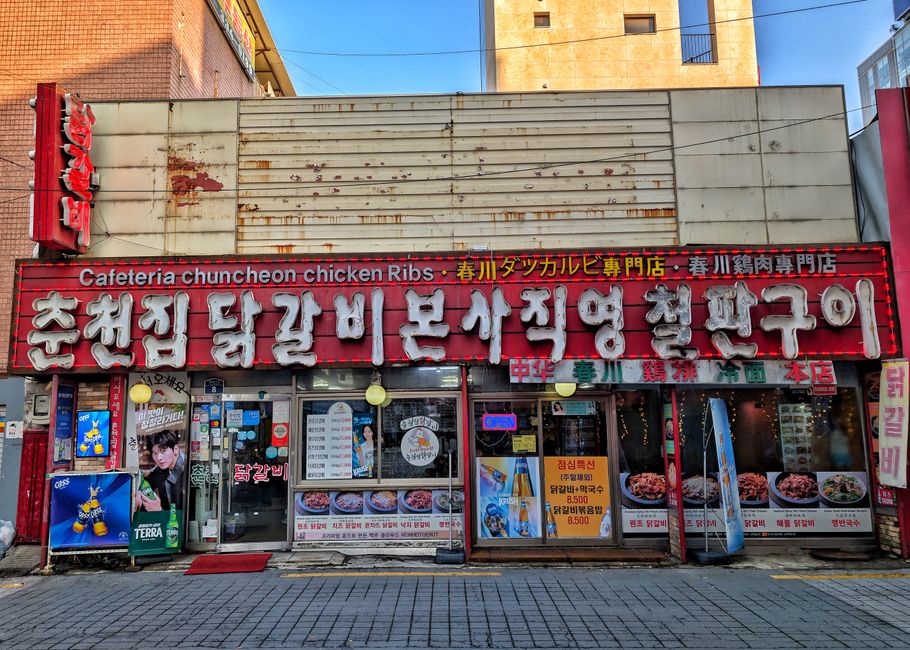
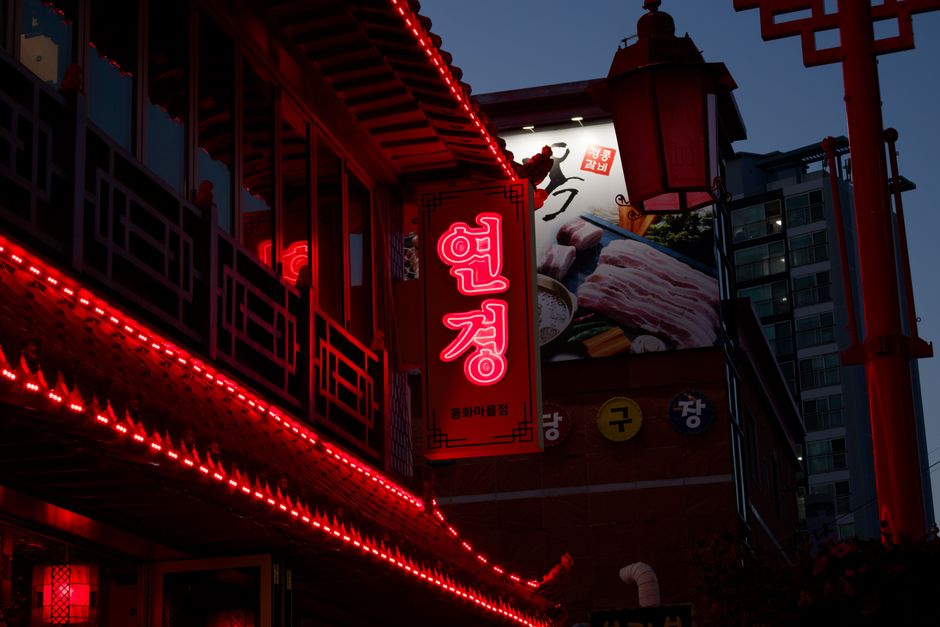
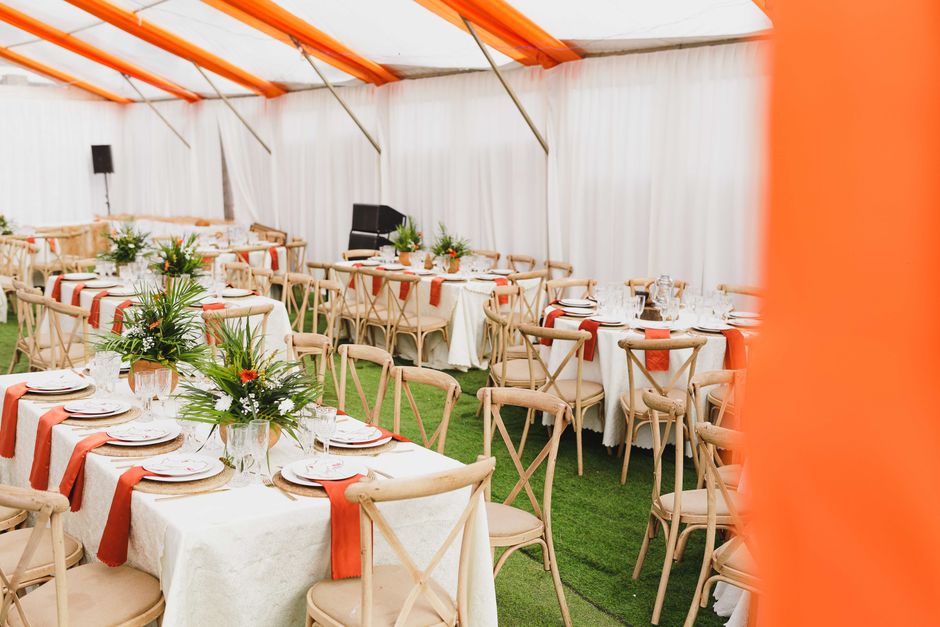
Several key elements contribute to successful restaurant interior design. One of the most important factors is the choice of color. Colors evoke emotions and can significantly affect diners’ moods. Warm colors like red and orange can stimulate appetite and encourage conversation, while cooler tones like blue and green can create a calming atmosphere. Selecting the right color palette is essential in setting the desired tone for the dining experience.
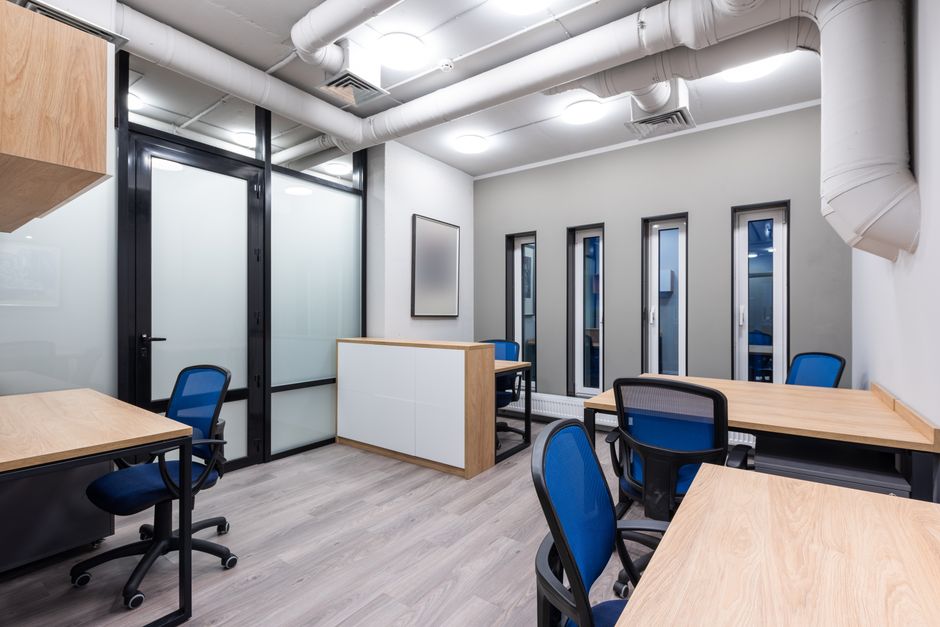
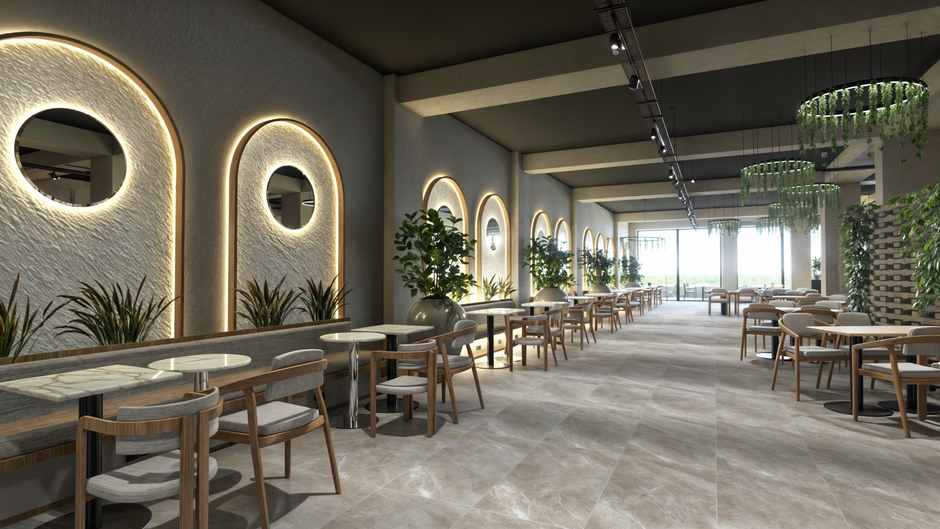
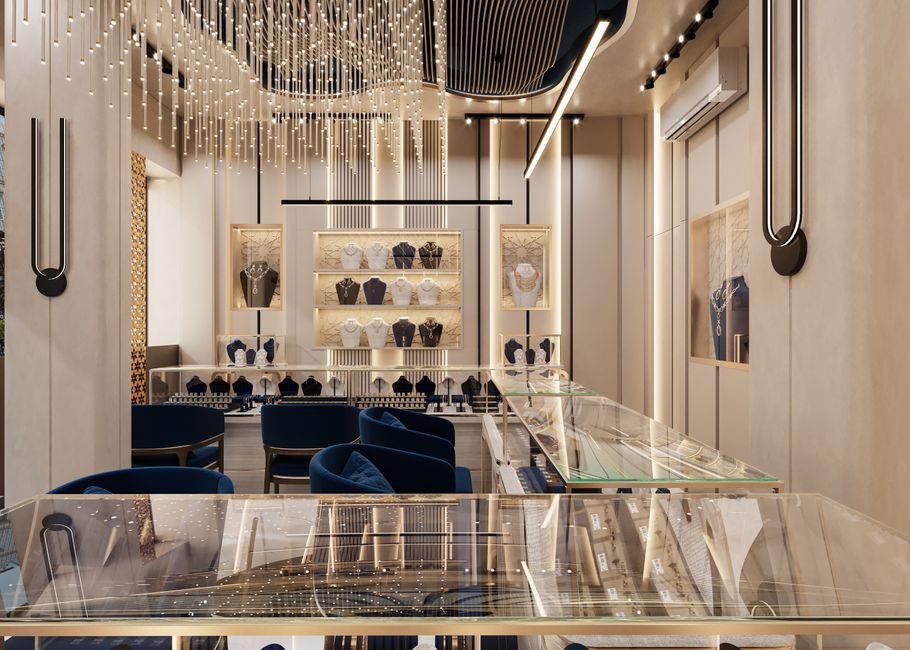
Furniture selection is another crucial aspect. The style, comfort, and arrangement of furniture can influence how long customers stay and how much they spend. For instance, comfortable seating encourages diners to linger, potentially increasing their overall bill. Additionally, incorporating flexible furniture arrangements can allow for diverse seating configurations, accommodating different group sizes and occasions.
Incorporating Technology in Restaurant Design
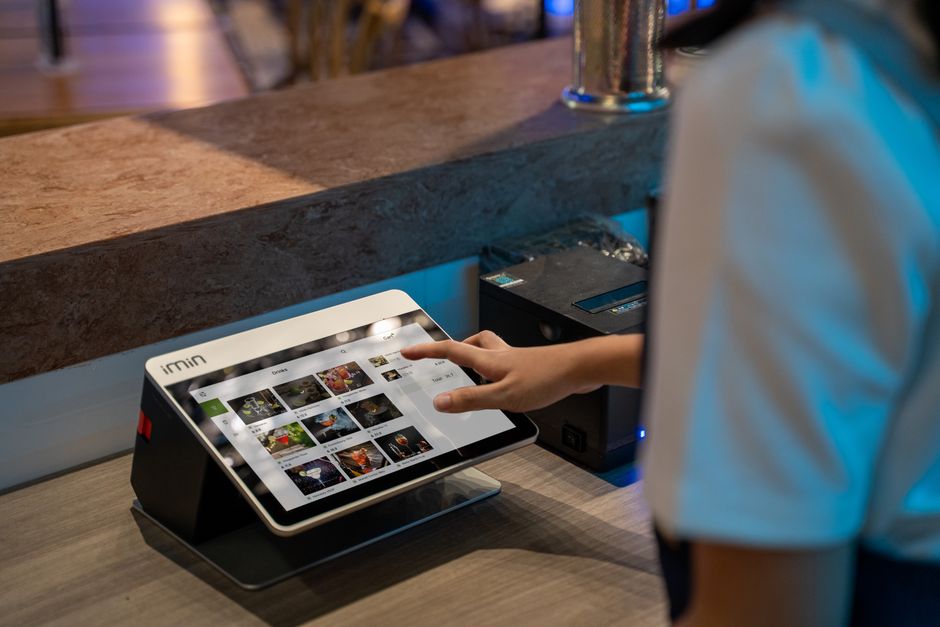
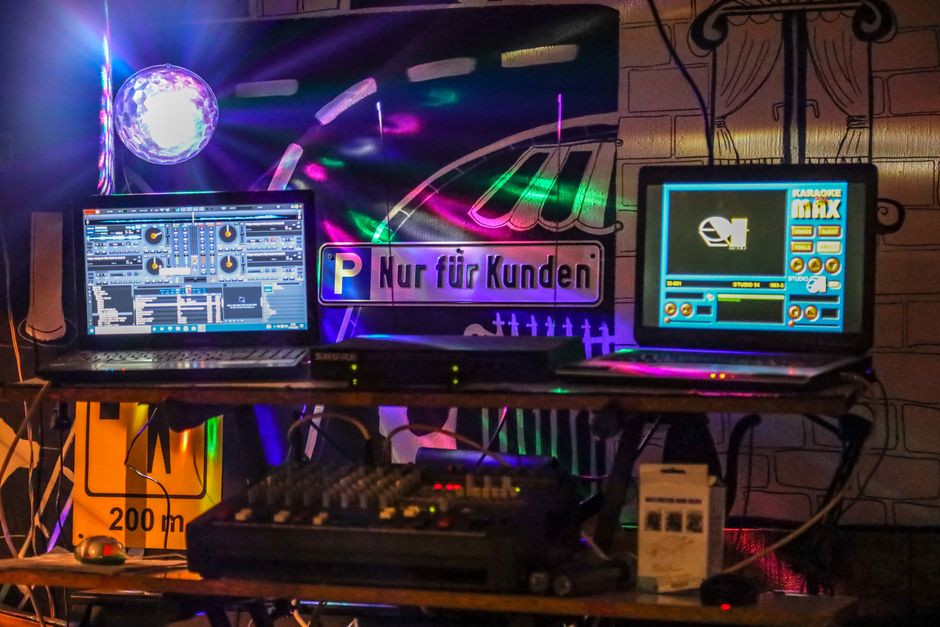
In today’s digital age, technology plays a vital role in restaurant interior design. Integrating smart technology can enhance the dining experience and streamline operations. For instance, implementing digital menus or tablet ordering systems can reduce wait times and improve order accuracy. Furthermore, incorporating ambient lighting that can be adjusted based on the time of day or the mood of the restaurant can significantly enhance the atmosphere.
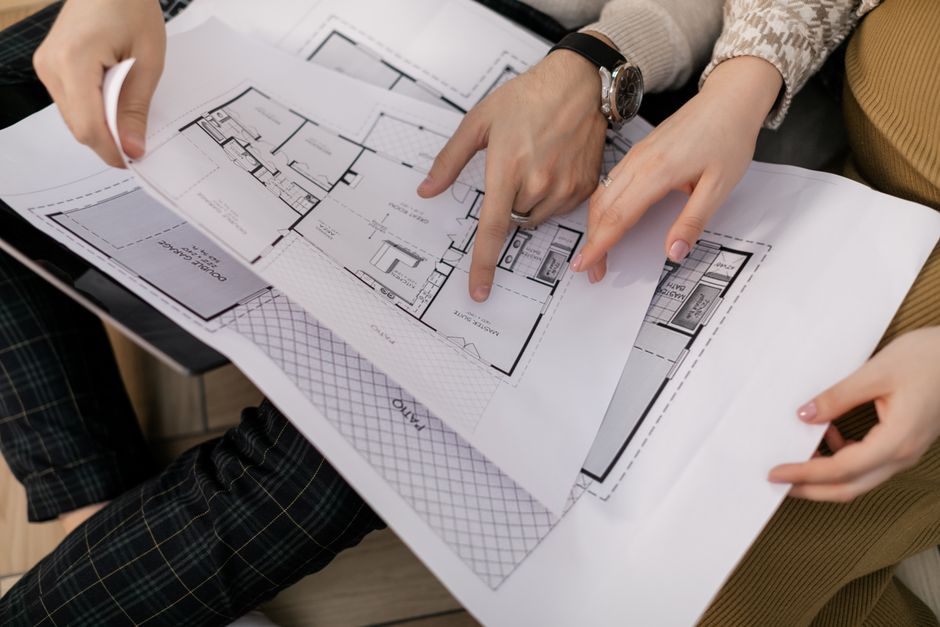
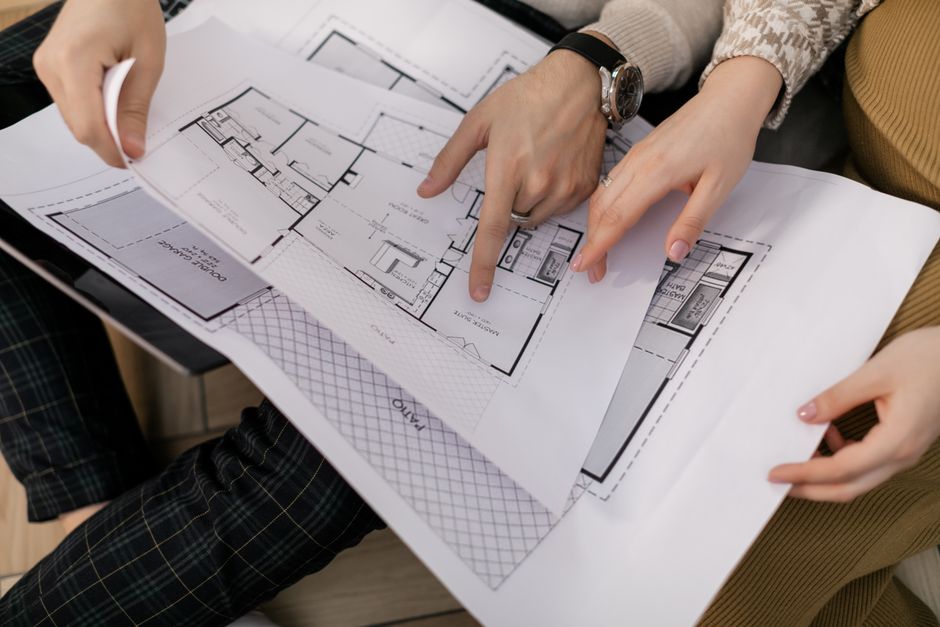
Moreover, technology can also extend to the design process itself. Virtual reality (VR) and 3D modeling software allow designers to visualize the space before any physical changes are made. This technology enables restaurant owners to experiment with various design elements and layouts, ensuring that the final result aligns with their vision and operational needs.
Case Studies: Successful Restaurant Designs
Examining successful restaurant interior designs can provide valuable insights and inspiration. For example, the renowned restaurant Noma in Copenhagen is celebrated not only for its innovative cuisine but also for its thoughtfully designed space that reflects the local environment. The use of natural materials and earthy tones creates a connection between the dining experience and the surrounding landscape, enhancing the overall ambiance.
Similarly, the fast-casual chain Sweetgreen has successfully implemented a design that emphasizes sustainability and freshness. The use of natural light, greenery, and recycled materials in their interiors resonates with their brand message, attracting health-conscious consumers. Their design choices significantly contribute to the overall customer experience, reinforcing their commitment to sustainability.
Conclusion: Elevating the Dining Experience Through Design
In conclusion, the interior design of a restaurant is a multifaceted aspect that can significantly impact its success. By understanding the importance of design elements, incorporating technology, and learning from successful case studies, restaurant owners can create inviting spaces that enhance the dining experience. As trends continue to evolve, staying informed about the latest developments in restaurant interior design will be essential for maintaining a competitive edge in the industry. A well-designed restaurant not only attracts customers but also cultivates a loyal clientele, ultimately contributing to long-term success.