
In recent years, the fashion industry has witnessed a significant shift towards sustainability, driven by consumer demand for environmentally friendly products. As awareness of environmental issues grows, many fashion brands are stepping up to redefine their practices and philosophies. This article explores the rise of sustainable fashion brands, their impact on the industry, and what consumers can do to support this movement.
Understanding Sustainable Fashion

Sustainable fashion refers to a movement within the fashion industry that aims to create a system that can be supported indefinitely in terms of human impact on the environment and social responsibility. This encompasses a range of practices, including ethical labor standards, environmentally friendly materials, and transparent supply chains. According to a report by McKinsey & Company, the global fashion industry generates over 1.2 billion tons of greenhouse gas emissions annually, accounting for around 10% of total global emissions. The transition to sustainable practices is crucial to reducing this environmental footprint.
Brands that adopt sustainable practices often prioritize the use of organic materials, recycling, and waste reduction. They also focus on creating timeless designs that encourage consumers to buy less frequently, thus promoting a more circular economy. The notion of quality over quantity is becoming increasingly popular as consumers seek to make more mindful purchases.
Key Players in the Sustainable Fashion Movement
Several brands have emerged as leaders in the sustainable fashion sector, paving the way for others to follow. For example, brands like Stella McCartney and Patagonia have long been associated with environmental consciousness. Patagonia, known for its commitment to sustainability, has implemented numerous initiatives such as using recycled materials and encouraging customers to repair rather than replace their clothing.
Another notable player is the brand Everlane, which emphasizes radical transparency in its production process. They disclose the true cost of each item, allowing consumers to understand where their money goes. This approach fosters trust and loyalty among consumers who value ethical practices.
In addition to established brands, many startups are also gaining traction by focusing on sustainability. For instance, Toad&Co has been recognized as a sustainable fashion brand that balances style and eco-friendliness. Their commitment to sustainable sourcing and fair labor practices resonates with environmentally conscious consumers.
The Role of Consumers in Sustainable Fashion
Consumers play a pivotal role in the success of sustainable fashion brands. By choosing to support brands that prioritize sustainability, consumers can drive demand for more ethical practices. A survey conducted by Nielsen found that 66% of global consumers are willing to pay more for sustainable brands. This statistic highlights the potential for growth in the sustainable fashion market.
Moreover, consumers can make a difference by educating themselves about the brands they purchase from. This involves researching a brand’s sustainability practices, such as its use of materials, labor conditions, and overall environmental impact. Social media platforms also serve as powerful tools for consumers to share their knowledge and advocate for change within the fashion industry.
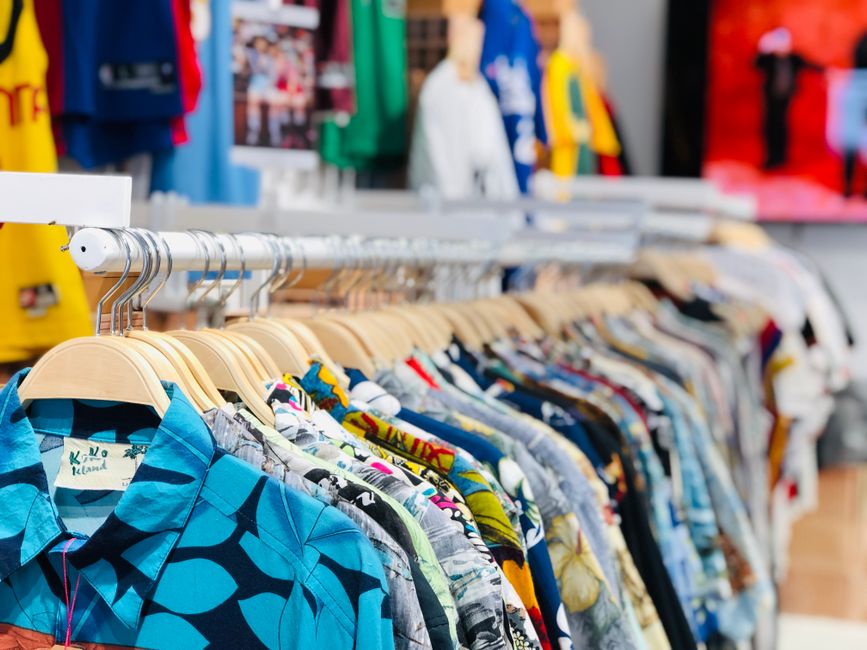
In addition to supporting sustainable brands, consumers can adopt more sustainable habits in their own lives. This includes practices such as thrifting, buying second-hand clothes, and participating in clothing swaps. These actions not only reduce waste but also promote a culture of conscious consumption.
Challenges Facing Sustainable Fashion Brands
Despite the growing interest in sustainable fashion, many brands face significant challenges. The fashion industry is notoriously fast-paced, and the demand for quick turnaround times often conflicts with sustainable practices. Brands may struggle to maintain transparency and ethical standards while meeting consumer expectations for rapid delivery.
Furthermore, the higher costs associated with sustainable materials and ethical production can deter brands from fully committing to these practices. As noted in a report from the World Economic Forum, while sustainable fashion is on the rise, achieving widespread adoption will require substantial changes in consumer behavior and industry standards.
Another challenge is the prevalence of greenwashing, where brands falsely claim to be sustainable to attract eco-conscious consumers. This can lead to distrust among consumers and ultimately hinder the growth of genuinely sustainable brands.
Future Trends in Sustainable Fashion
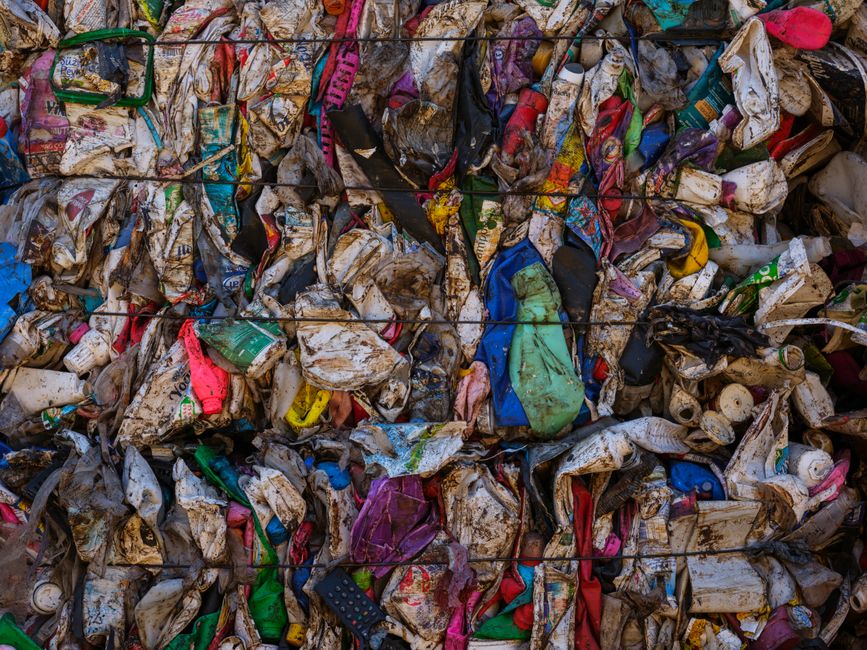
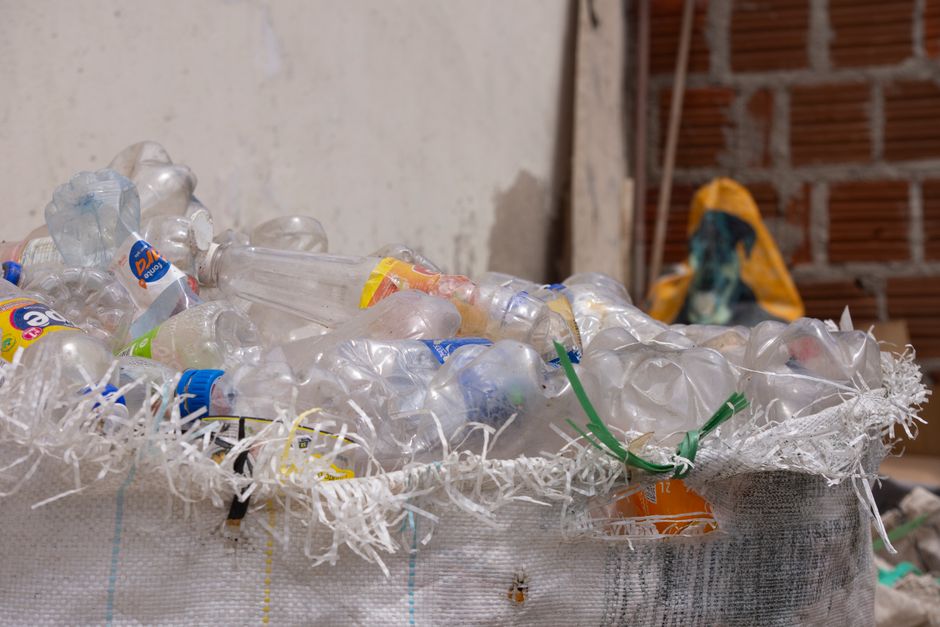
The future of sustainable fashion looks promising, with ongoing innovations in materials and production processes. Technologies such as 3D printing and biodegradable fabrics are being explored as potential solutions to reduce waste and improve sustainability. For example, brands are experimenting with mycelium leather and recycled plastic to create new, eco-friendly materials.
Additionally, the concept of rental fashion is gaining popularity, allowing consumers to wear high-quality garments without the commitment of purchasing. This model not only promotes sustainability but also provides consumers with access to a wider range of styles without the associated environmental impact.
As more consumers prioritize sustainability, brands will continue to adapt their practices to meet this demand. The emergence of new sustainable fashion brands will likely encourage established brands to re-evaluate their approaches and incorporate more ethical practices into their business models.
Conclusion
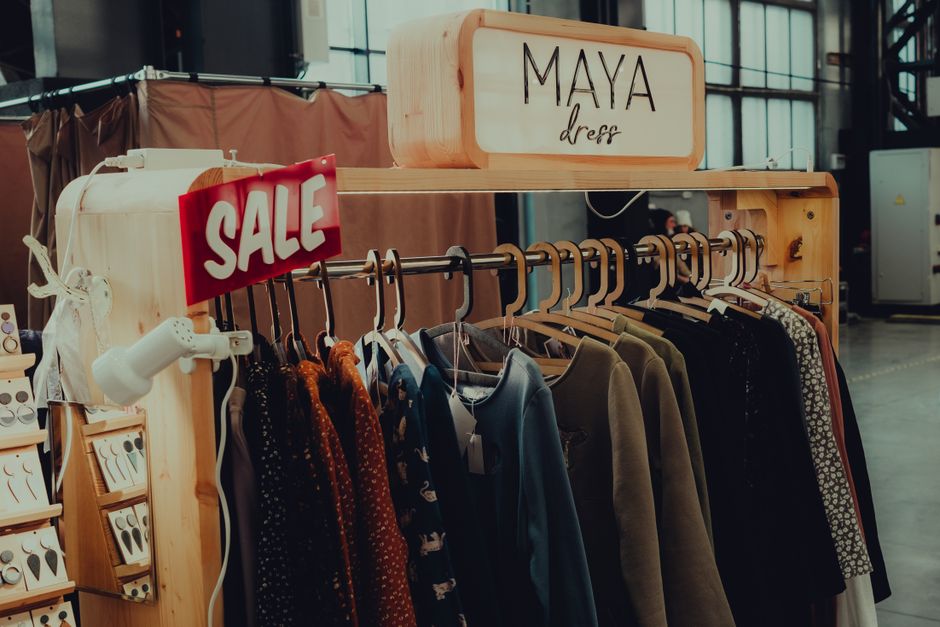
The rise of sustainable fashion brands marks a significant turning point in the industry, highlighting the increasing demand for environmentally friendly practices. As consumers become more aware of their purchasing power, they can influence the direction of the fashion industry towards sustainability. By supporting brands committed to ethical practices and making conscious choices, consumers can contribute to a more sustainable future in fashion. As we look ahead, the collaboration between consumers, brands, and industry leaders will be crucial in driving meaningful change and ensuring that sustainability becomes a core principle within the fashion industry. For those interested in exploring sustainable options, visiting a sustainable fashion brand can be a great starting point.