
In today’s fast-paced world, drug testing services have become essential for various sectors, including companies, healthcare providers, and legal institutions. These services ensure safety, compliance, and reliability in workplaces and communities. With the increasing concerns about substance abuse and its implications on productivity and health, understanding the nuances of drug testing services is crucial.
What are Drug Testing Services?

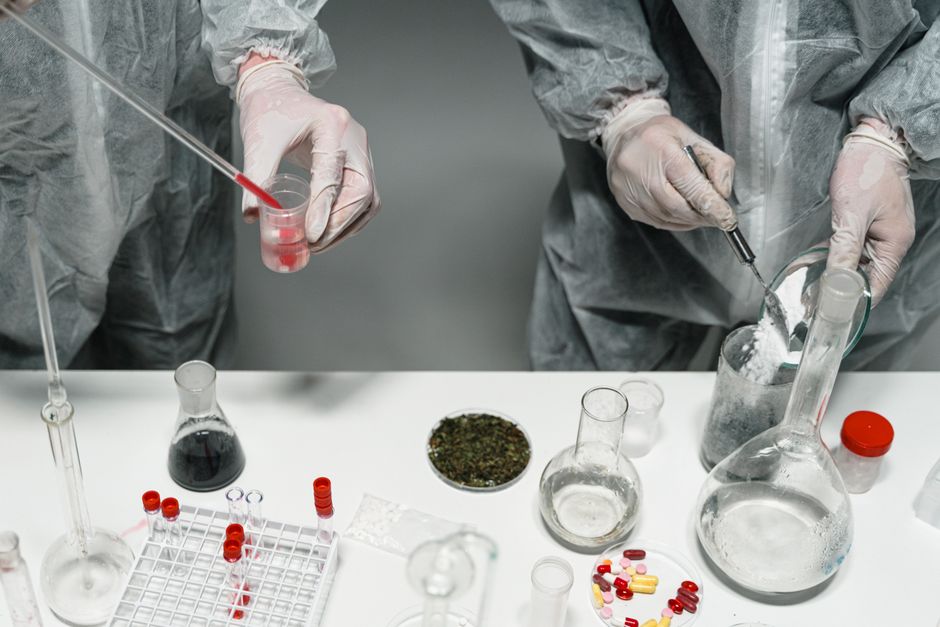
Drug testing services refer to the processes and methodologies used to detect the presence of illegal substances or controlled medications in an individual’s system. These services can be employed for various reasons, including pre-employment screenings, random workplace testing, and compliance with legal or medical requirements. The tests can range from urine, saliva, hair, or blood tests, each offering different insights into substance use.
Employers often utilize drug testing services to foster a safe working environment and minimize risks associated with drug abuse. For instance, a report from the Substance Abuse and Mental Health Services Administration (SAMHSA) indicates that workplaces with drug testing policies experience lower rates of workplace accidents and absenteeism.
The Types of Drug Tests Available
There are several types of drug tests available, each with its own advantages and limitations. The most common types include:
- Urine Tests: The most widely used method, urine tests are cost-effective and can detect recent drug use, typically within the last few days.
- Saliva Tests: These tests are non-invasive and can detect the presence of drugs within a short window of time after use, making them ideal for on-site testing.
- Hair Tests: Hair follicle testing can provide a longer history of drug use, detecting substances that may have been consumed months prior.
- Blood Tests: These tests are more invasive but can provide accurate information about the current level of drugs in the system.
Each of these methods has its specific applications and can be chosen based on the requirements of the testing scenario.
The Role of Drug Testing Services in the Workplace
Implementing drug testing services in the workplace has several benefits. Firstly, it helps in promoting a drug-free environment, which is essential for the safety and health of all employees. Secondly, it aids in compliance with federal and state regulations, particularly in industries such as transportation and healthcare where safety is paramount.
Moreover, drug testing services can enhance overall productivity. According to a study by the National Council on Alcoholism and Drug Dependence, businesses that conduct regular drug testing report 20% fewer workplace injuries and a significant decrease in turnover rates. This creates a more stable and efficient workforce.
Legal and Ethical Considerations
While drug testing services are beneficial, they also raise several legal and ethical considerations. Employers must ensure that their testing policies comply with local laws and regulations to avoid potential legal issues. Additionally, the privacy and rights of employees must be respected throughout the testing process.
Furthermore, organizations should consider implementing educational programs about substance use, which can help foster understanding and support within the workplace. This approach not only encourages compliance but also promotes a culture of health and safety.
Advancements in Drug Testing Technology
The field of drug testing is continuously evolving, with advancements in technology leading to more accurate and efficient testing methods. Innovations such as rapid testing kits, which provide results on-site within minutes, are becoming increasingly popular. These kits allow for immediate decision-making and reduce the waiting time associated with traditional laboratory tests.
Furthermore, the integration of mobile applications and online platforms is streamlining the drug testing process. Companies can now manage testing schedules, track results, and maintain records electronically, enhancing efficiency and accessibility.
For organizations seeking reliable drug testing service, it is essential to stay updated on these technological advancements to ensure they are using the best practices available.
Conclusion
In conclusion, drug testing services play a vital role in maintaining safety and compliance across various sectors. Understanding the different types of tests, their applications, and the legal considerations involved is essential for employers and organizations. As technology continues to advance, the effectiveness and efficiency of drug testing services will only improve, providing even greater assurance of a drug-free environment.