
In recent years, the luxury fashion market has witnessed a significant transformation. With the rise of online platforms and a growing appetite for exclusive items, the role of luxury brand resellers has become increasingly prominent. These resellers not only provide access to coveted pieces but also create a unique ecosystem that supports sustainability in fashion. In this article, we will delve into the dynamics of the luxury brand resale market, examining its growth, challenges, and implications for consumers and brands alike.
The Growth of the Luxury Resale Market

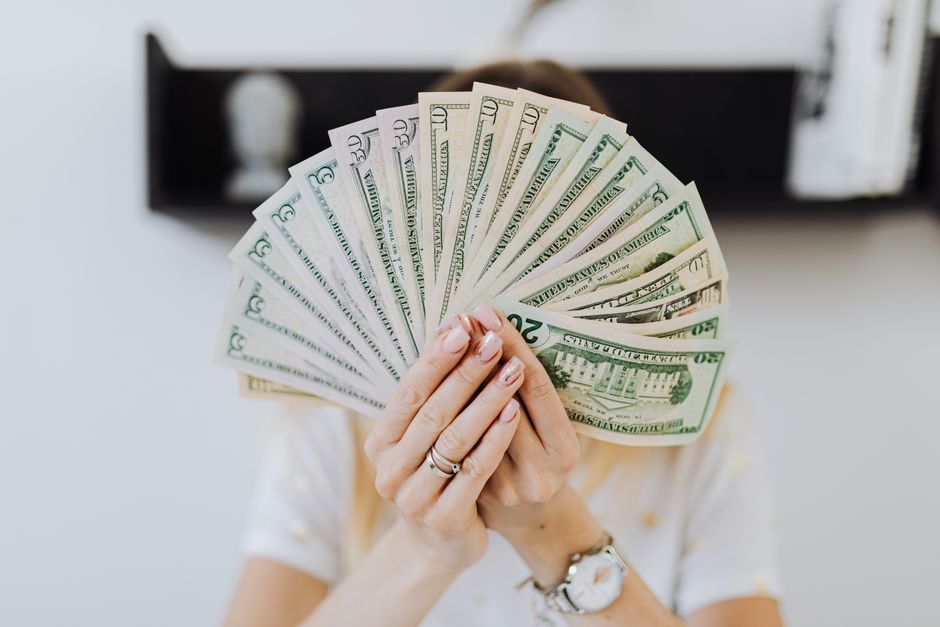
The luxury resale market has exploded in size, with estimates projecting it to reach $64 billion by 2024. This rapid growth is driven by a combination of factors, including consumer demand for sustainable options and a desire for rare, vintage pieces. Resellers have carved out a niche by offering authenticated luxury items at varying price points, making high-end fashion more accessible to a broader audience.
According to ThredUp’s 2021 Resale Report, the resale market is expected to grow 11 times faster than the traditional retail market over the next five years. This trend reflects a broader shift in consumer behavior, where shoppers increasingly prioritize sustainability and value for money. Luxury brand resellers play a crucial role in this evolution, facilitating the buying and selling of pre-owned items.
Platforms like The RealReal and Poshmark have become household names, attracting millions of users looking to buy or sell luxury goods. These platforms not only provide a marketplace but also invest in authentication processes to ensure that consumers receive genuine products. This focus on authenticity is essential in maintaining trust and credibility in the luxury resale market.
The Role of Technology in Reselling
Technology has fundamentally changed how luxury items are bought and sold. Resellers leverage advanced algorithms and artificial intelligence to streamline the buying process, enhance customer experiences, and improve inventory management. For instance, many platforms utilize machine learning to predict trends and recommend items that align with individual user preferences.
Furthermore, social media has become a powerful tool for luxury brand resellers. By showcasing their products through visually appealing content, resellers can engage with potential buyers and create a sense of community. Instagram, in particular, has proven to be an effective platform for promoting luxury items, as users often seek inspiration and validation from their peers.
In addition to social media, virtual reality (VR) and augmented reality (AR) technologies are beginning to make their mark on the luxury resale market. These technologies allow consumers to experience products in innovative ways, such as trying on items virtually before making a purchase. As these technologies evolve, resellers will continue to find new avenues to enhance the shopping experience.
Challenges Faced by Luxury Brand Resellers
Despite the booming market, luxury brand resellers face several challenges. One of the most significant hurdles is the issue of counterfeiting. As the demand for luxury items grows, so does the prevalence of counterfeit goods. Resellers must invest in robust authentication processes to protect their customers and their own reputations.
Additionally, competition among resellers is fierce. With numerous platforms vying for consumer attention, standing out in the crowded marketplace can be challenging. Effective branding and marketing strategies are essential for resellers to differentiate themselves and attract loyal customers.
Moreover, the luxury resale market is not immune to economic fluctuations. Changes in consumer spending habits can impact resale values and demand for certain items. Resellers must remain agile, adapting their strategies to navigate these market shifts while continuing to offer value to their customers.
Future Implications for Consumers and Brands
The rise of luxury brand resellers has profound implications for both consumers and brands. For consumers, the resale market offers an opportunity to purchase high-quality items at reduced prices. It also promotes a more sustainable approach to fashion, encouraging individuals to buy pre-owned goods rather than new items.
For luxury brands, the emergence of resellers presents both challenges and opportunities. While some brands view reselling as a threat to their exclusivity, others recognize it as a chance to reach new audiences. Some luxury brands are even beginning to collaborate with resellers, creating exclusive lines for resale platforms to tap into this growing market.
In conclusion, the luxury brand reseller market is rapidly evolving, driven by technology, changing consumer preferences, and a focus on sustainability. As the market continues to grow, it will be fascinating to observe how both consumers and brands adapt to this new landscape. Those looking to explore the world of reselling can find valuable resources and platforms, such as luxury brand resellers, which offer a diverse range of options for purchasing and selling luxury items.
Conclusion
The luxury brand resale market is here to stay. With its growth fueled by technology and changing consumer values, resellers are redefining the way we perceive luxury fashion. As we move forward, the relationship between consumers, resellers, and brands will continue to evolve, opening up new possibilities for sustainable and accessible luxury.