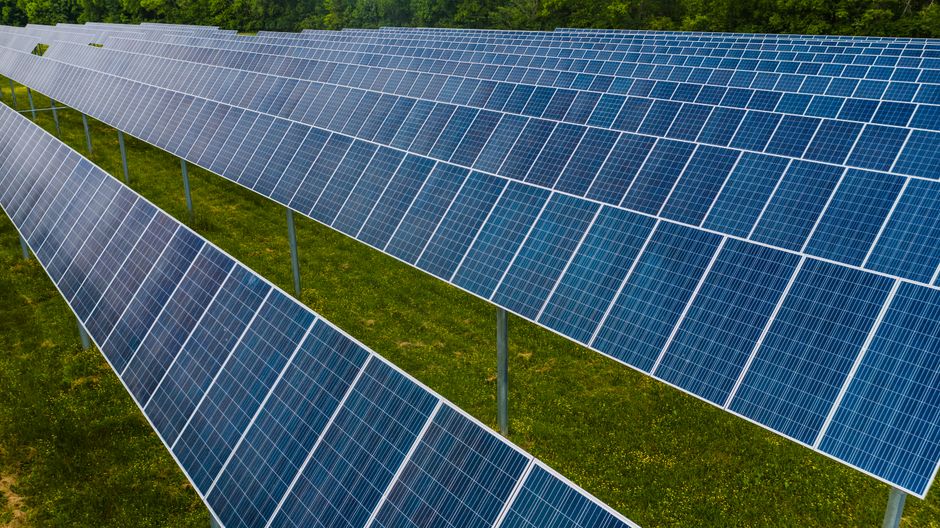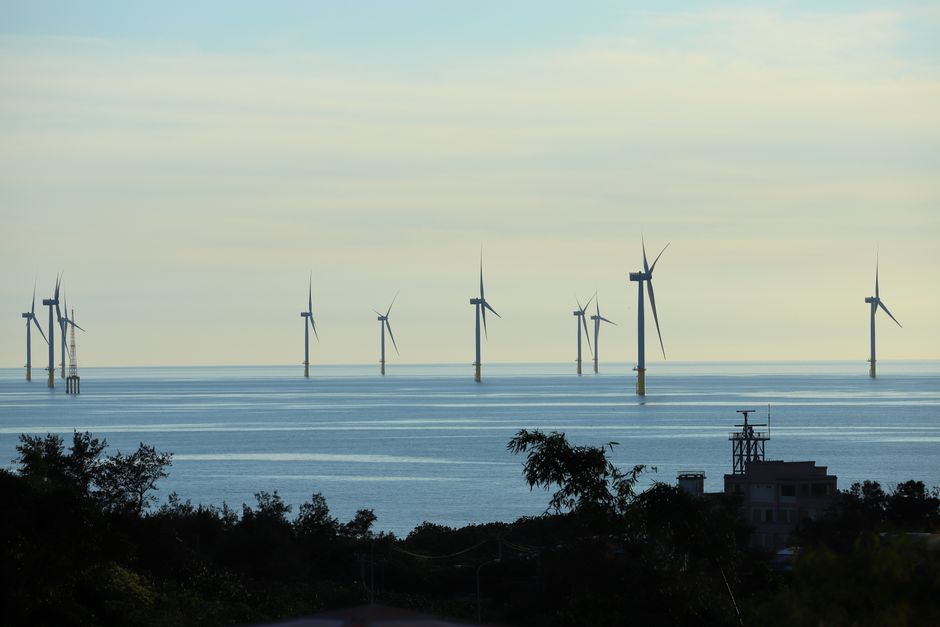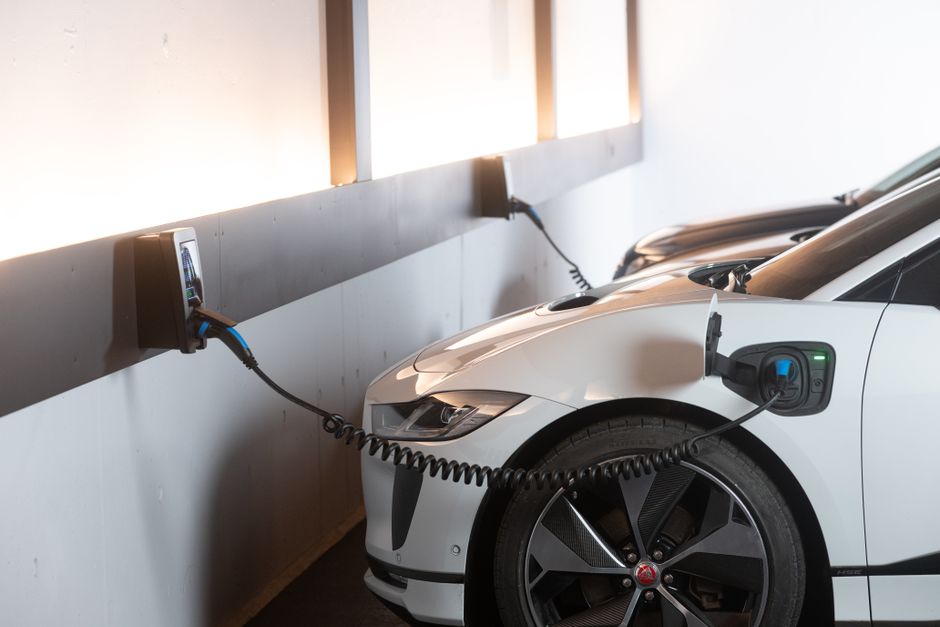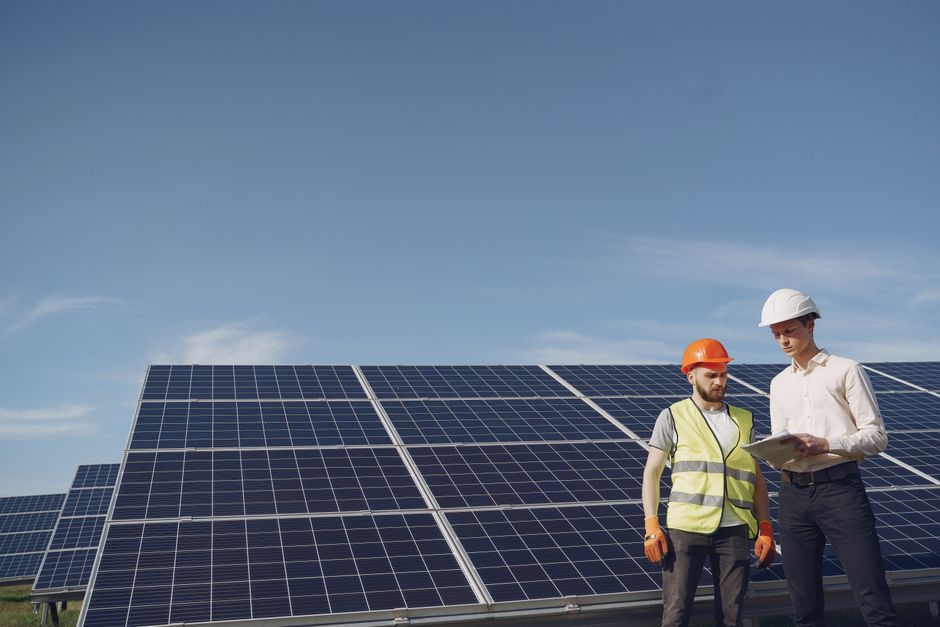

As the world increasingly shifts towards renewable energy sources, the significance of energy storage systems (ESS) has become more pronounced. These systems not only enhance the reliability of energy supply but also facilitate the integration of intermittent renewable energy sources like solar and wind into the power grid. In this article, we will delve into the various aspects of energy storage systems, exploring their types, benefits, challenges, and real-world applications.
Understanding Energy Storage Systems

Energy storage systems are devices or technologies that store energy for use at a later time. They can store energy generated from various sources, including renewable energy, and release it when demand is high or generation is low. Common forms of energy storage include batteries, pumped hydro storage, flywheels, and thermal storage. Each type has its unique characteristics, advantages, and applications.
Batteries, particularly lithium-ion batteries, have gained immense popularity due to their high efficiency, scalability, and decreasing cost. According to a report from BloombergNEF, the cost of lithium-ion batteries has fallen by 89% since 2010, making them a viable option for both residential and commercial energy storage solutions.
Pumped hydro storage is another well-established method, accounting for about 95% of global energy storage capacity. This method involves pumping water to a higher elevation during periods of low electricity demand and releasing it to generate electricity during peak demand times.
Benefits of Energy Storage Systems
The benefits of implementing energy storage systems are manifold. First and foremost, they enhance grid stability and reliability. By storing excess energy produced during low demand periods, these systems can provide backup power during outages or peaks in demand, thereby preventing blackouts.
Additionally, energy storage systems play a critical role in reducing greenhouse gas emissions. By facilitating the use of renewable energy, they help decrease reliance on fossil fuels, contributing to a more sustainable energy future. A study conducted by the National Renewable Energy Laboratory found that integrating energy storage with renewables could reduce carbon emissions by up to 80% in certain regions.
Moreover, energy storage systems can lead to significant cost savings for consumers. By allowing users to store energy when prices are low and use it when prices are high, they can effectively manage their energy bills. This is particularly beneficial in regions where electricity prices fluctuate throughout the day.
Challenges Facing Energy Storage Systems
Despite the numerous advantages, energy storage systems face several challenges that hinder their widespread adoption. One of the primary challenges is the initial cost of installation. Although prices for technologies like lithium-ion batteries are decreasing, the upfront investment can still be substantial for many consumers and businesses.
Another challenge is the limited lifespan of some energy storage technologies. For instance, while lithium-ion batteries offer high performance, they typically have a lifespan of about 10-15 years, necessitating replacement and contributing to waste management concerns.
Furthermore, regulatory and policy barriers can complicate the implementation of energy storage systems. In many regions, outdated regulations do not account for the value that energy storage brings to the grid, stifling innovation and investment in this critical sector.
Real-World Applications of Energy Storage Systems
Energy storage systems are already making a significant impact in various sectors. For instance, Tesla’s deployment of large-scale battery systems in places like South Australia has demonstrated how energy storage can stabilize the grid and provide backup power during outages. These installations have not only reduced energy costs but also increased the reliability of the power supply.
In the residential sector, homeowners are increasingly adopting battery storage systems to complement their solar panels. By storing excess solar energy generated during the day, these systems enable homeowners to use clean energy at night, further enhancing energy independence.
Additionally, industries are leveraging energy storage to optimize their operations. For example, manufacturers are using energy storage systems to shift their energy use to off-peak hours, thereby reducing costs and improving energy efficiency. This trend is expected to grow as more companies recognize the financial and environmental benefits of energy storage.
Conclusion
In conclusion, energy storage systems represent a crucial component of the transition towards a sustainable energy future. By enhancing grid reliability, reducing emissions, and providing financial savings, they offer a myriad of benefits that are hard to ignore. As technology continues to advance and costs decrease, the role of energy storage systems will undoubtedly become even more central in the global energy landscape, paving the way for a cleaner and more efficient energy system.