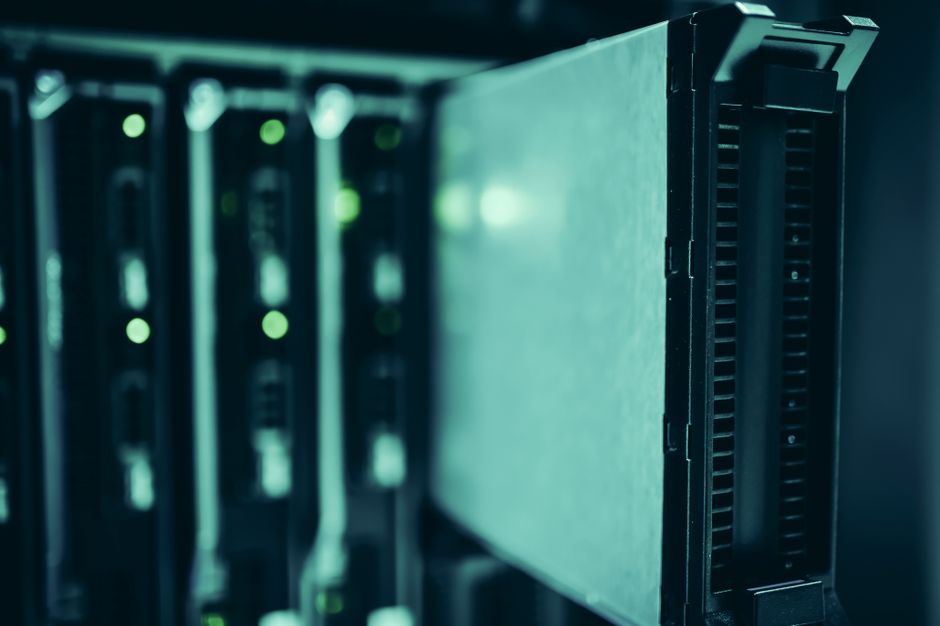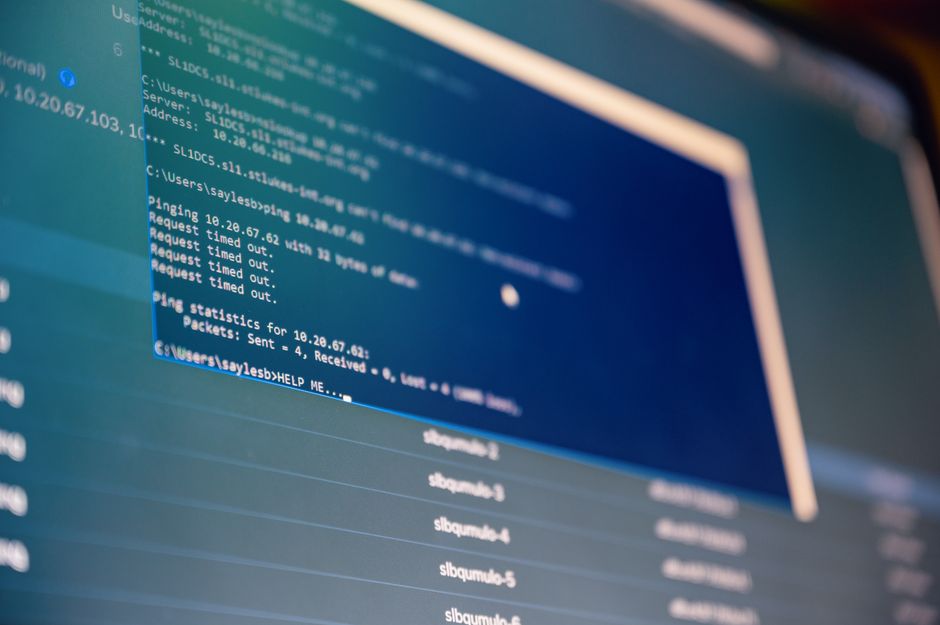

In today’s interconnected world, the significance of cybersecurity cannot be overstated. With the increasing reliance on digital solutions for both personal and professional activities, safeguarding sensitive information has become a top priority. Cyber threats are evolving rapidly, and organizations of all sizes must stay ahead of potential risks to protect their data and reputation.
Understanding Cybersecurity Threats

Cybersecurity threats come in various forms, including malware, phishing, and ransomware. Each of these attacks poses a unique challenge to organizations and individuals alike. For instance, in 2020, the average cost of a data breach reached $3.86 million, illustrating the financial impact of inadequate cybersecurity measures.
Malware, which encompasses viruses, worms, and trojans, is designed to disrupt or damage computer systems. Phishing attacks often trick users into revealing sensitive information by masquerading as trustworthy sources. Ransomware, on the other hand, encrypts data and demands payment for its release, causing significant operational disruptions.
Best Practices for Enhancing Cybersecurity
Organizations can adopt several best practices to bolster their cybersecurity posture. First and foremost, regular training for employees is essential. A well-informed workforce can recognize phishing attempts and other malicious activities, making it a formidable first line of defense.
Additionally, implementing strong password policies and multi-factor authentication can significantly reduce the chances of unauthorized access. According to a recent study, organizations that enforced multi-factor authentication could prevent 99.9% of automated attacks.
Furthermore, regular software updates and patch management are crucial. Cybercriminals often exploit vulnerabilities in outdated software, making it imperative for organizations to stay current with their updates.
The Role of Technology in Cybersecurity
Technology plays a pivotal role in enhancing cybersecurity measures. Advanced tools such as firewalls, intrusion detection systems, and encryption technologies are essential in defending against cyber threats. For instance, firewalls act as a barrier between trusted internal networks and untrusted external networks, filtering incoming and outgoing traffic.
Moreover, artificial intelligence (AI) and machine learning are increasingly being utilized to detect and respond to threats in real-time. These technologies analyze vast amounts of data to identify patterns indicative of cyberattacks, enabling organizations to react promptly.
Regulations and Compliance in Cybersecurity
With the rise of cyber threats, governments and regulatory bodies have implemented various regulations to ensure organizations adhere to cybersecurity standards. For example, the General Data Protection Regulation (GDPR) imposes strict data protection requirements for organizations operating within the European Union.
Compliance with these regulations is not just about avoiding fines; it also enhances consumer trust. Customers are more likely to engage with businesses that demonstrate a commitment to protecting their data.
Organizations should conduct regular audits and assessments to ensure compliance with relevant regulations. This proactive approach not only mitigates risks but also fosters a culture of security within the organization.
The Future of Cybersecurity
The future of cybersecurity is likely to be shaped by the increasing sophistication of cyber threats and the growing demand for robust security solutions. As businesses continue to adopt cloud services and remote work models, the attack surface for cybercriminals expands, necessitating a shift in cybersecurity strategies.
Organizations must remain vigilant and adaptable, continuously updating their security measures to counter emerging threats. Investing in cybersecurity not only protects sensitive data but also enhances business continuity and resilience.
As part of this ongoing effort, businesses should consider ways to enhance operational efficiency, such as exploring options to switch business energy to more secure platforms that prioritize cybersecurity.
Conclusion
In conclusion, cybersecurity has become a critical aspect of modern business operations and personal data protection. As the digital landscape evolves, so too must our strategies for safeguarding sensitive information. By understanding the various threats, implementing best practices, leveraging technology, and adhering to regulations, individuals and organizations can significantly enhance their cybersecurity posture.
As we move forward, it is essential to foster a culture of cybersecurity awareness, ensuring that everyone plays a role in protecting our digital future.