
Aquaponics is an innovative farming method that combines aquaculture (raising fish) and hydroponics (growing plants in water) into a single, sustainable system. In recent years, interest in aquaponics has surged, particularly among urban dwellers who want to grow their own food while conserving space and resources. This article will take you through the essentials of setting up your own aquaponics kit, ensuring you have all the knowledge needed to create a thriving ecosystem.
Understanding the Basics of Aquaponics
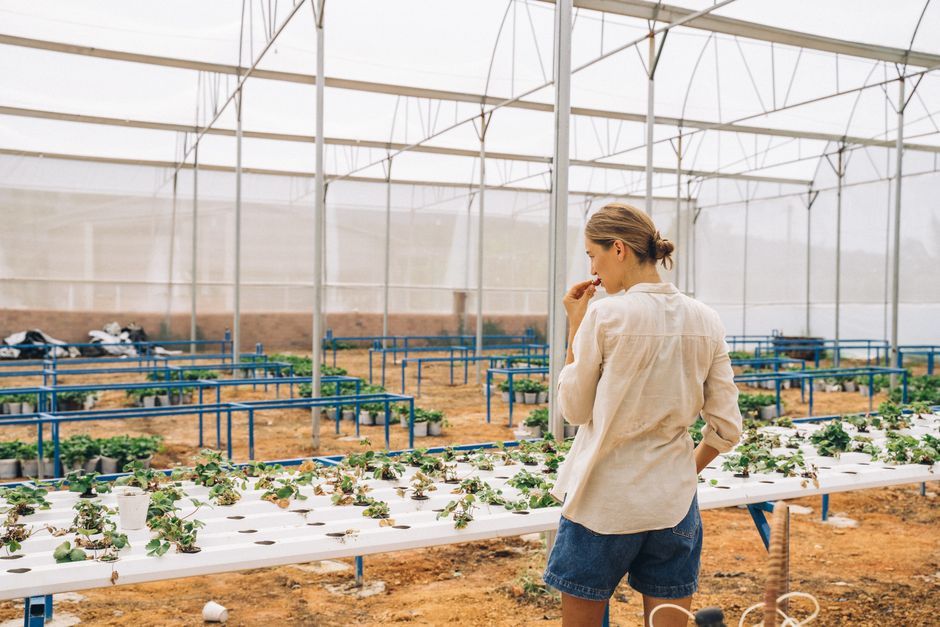
Aquaponics operates on a simple principle: fish waste provides organic nutrients for the plants, while the plants filter and purify the water for the fish. This symbiotic relationship creates a self-sustaining environment that can yield fresh produce and fish. The systems can vary in size, from small home setups to larger commercial operations.
To get started, you’ll need to understand the components of an aquaponics system, which typically includes a fish tank, a grow bed, a pump, and a filtration system. Each component plays a vital role in maintaining the health of both the fish and the plants.
Choosing the Right Aquaponics Kit
When selecting an aquaponics kit, consider your available space, budget, and the type of fish and plants you wish to cultivate. Kits come in various sizes and complexities, ranging from beginner-friendly options to advanced setups that require more technical knowledge.
For beginners, a simple kit that includes all necessary components is ideal. Look for a kit that provides clear instructions and support materials. A well-rounded kit will also have a good balance of fish and plant options, allowing you to experiment with different species.
One popular choice among hobbyists is the aquaponics kit that has been designed specifically for small spaces. This compact system can fit in kitchens or balconies, making it perfect for urban gardening.
Setting Up Your Aquaponics System
Once you have your kit, it’s time to set it up. Start by finding a suitable location that receives ample sunlight but is also protected from extreme temperatures. The fish tank should be placed on a sturdy surface, and the grow bed should be positioned above the tank to allow gravity to facilitate water flow.
Next, fill the fish tank with water and set up the filtration system according to the instructions provided with your kit. It’s crucial to cycle the system before introducing any fish. This process allows beneficial bacteria to establish, which will help convert fish waste into nutrients for the plants.
Caring for Fish and Plants
Maintaining your aquaponics system involves regular monitoring of water quality and ensuring the health of both fish and plants. Test the water parameters regularly, including pH, ammonia, nitrites, and nitrates. Ideal conditions will vary depending on the species of fish and plants you are growing.
Feed your fish a balanced diet and observe their behavior for signs of stress or illness. Healthy fish will help ensure a productive system, as their waste is essential for plant growth. For the plants, monitor their growth and health, and make adjustments to nutrients or lighting as needed.
Harvesting and Enjoying Your Produce
One of the most rewarding aspects of aquaponics is the ability to harvest fresh produce and fish from your system. Depending on the species you choose, you can begin harvesting leafy greens in as little as four weeks, while fish may take several months to grow to maturity.
As you harvest, continue to maintain and care for the system to ensure it remains productive. Regularly replacing what you harvest will allow for continuous growth and yield throughout the year.
Conclusion
Setting up an aquaponics kit can be an incredibly fulfilling endeavor, providing you with fresh fish and vegetables right from your home. By understanding the basics of aquaponics, choosing the right kit, and taking care of your system, you can enjoy the numerous benefits of this sustainable farming method. Whether you’re a beginner or an experienced gardener, aquaponics offers a unique way to reconnect with nature and embrace a more sustainable lifestyle.