
In recent years, 3D printing has emerged as a transformative technology, revolutionizing various industries by enabling rapid prototyping and custom manufacturing. From healthcare to automotive, the applications of 3D printing are vast and growing. This article explores how 3D printing services are changing the landscape of production, the benefits they offer, and the challenges that still lie ahead.
The Evolution of 3D Printing
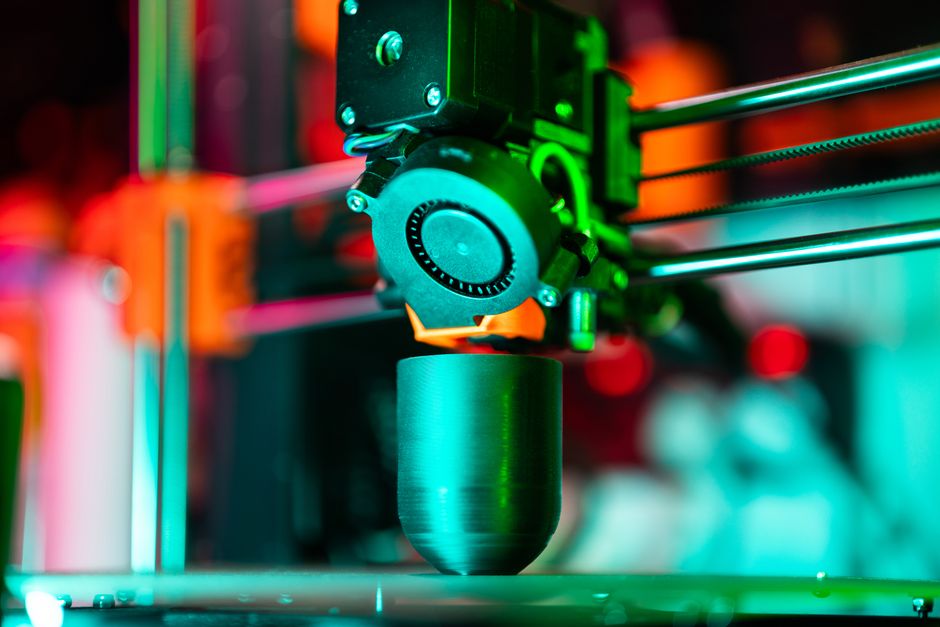
The concept of 3D printing dates back to the early 1980s, but it wasn’t until the last decade that the technology has become accessible to a broader audience. Initially used mainly for prototyping, advancements in materials and printing techniques have expanded its applications significantly. Today, businesses can utilize 3D printing services to create everything from consumer goods to aerospace components.
According to a report by Wohlers Associates, the 3D printing industry was valued at over $12 billion in 2020 and is projected to reach $34.8 billion by 2026. This rapid growth is fueled by the increasing demand for on-demand production and the customization capabilities that 3D printing offers.
Benefits of 3D Printing Services
One of the most significant advantages of 3D printing is its ability to reduce lead times. Traditional manufacturing processes often involve lengthy production cycles, but 3D printing allows for quicker turnarounds. Businesses can design and produce parts in a matter of days instead of weeks, enabling them to respond swiftly to market demands.
Additionally, 3D printing promotes sustainability. By minimizing material waste through additive manufacturing, companies can reduce their environmental footprint. For example, a study by the University of Michigan found that 3D printing can significantly decrease energy consumption and material usage compared to conventional manufacturing methods.
Applications Across Industries
Various sectors are leveraging 3D printing services to enhance their operations. In the healthcare industry, for instance, 3D printing is used to create custom prosthetics and dental implants tailored to individual patients. This level of personalization improves patient outcomes and satisfaction.
In the automotive sector, manufacturers use 3D printing for rapid prototyping and even for producing end-use parts. Companies like Ford and BMW have integrated 3D printing into their production lines to streamline workflows and innovate designs. For instance, BMW has reported that they can produce complex parts faster and with less waste, leading to significant cost savings.
Challenges Facing the Industry
Despite its many advantages, the 3D printing industry faces several challenges. Intellectual property concerns are at the forefront, as the ease of replicating designs can lead to copyright issues. Additionally, the quality and consistency of 3D printed parts can vary, which raises concerns about reliability in critical applications.
Moreover, the initial investment in 3D printing technology can be high, especially for small businesses. While costs have been decreasing, the price of advanced printers and materials can still be a barrier for entry. Thus, finding the right balance between investment and return remains a critical consideration for businesses looking to adopt this technology.
The Future of 3D Printing Services
Looking ahead, the potential for 3D printing is immense. As technology continues to advance, we can expect to see even more innovative applications emerge. From the construction of entire buildings to bioprinting tissues and organs, the future is bright for 3D printing services.
Moreover, with ongoing research into new materials and methods, the quality and efficiency of 3D printing will only improve. As barriers to entry decrease, more businesses will be able to leverage this technology, leading to a more competitive and dynamic market.
Conclusion
3D printing services are undeniably reshaping the manufacturing landscape, providing businesses with unprecedented opportunities for innovation and efficiency. While challenges remain, the benefits of this technology far outweigh the drawbacks. As we continue to explore the possibilities of 3D printing, it is clear that this technology will play a pivotal role in the future of production.