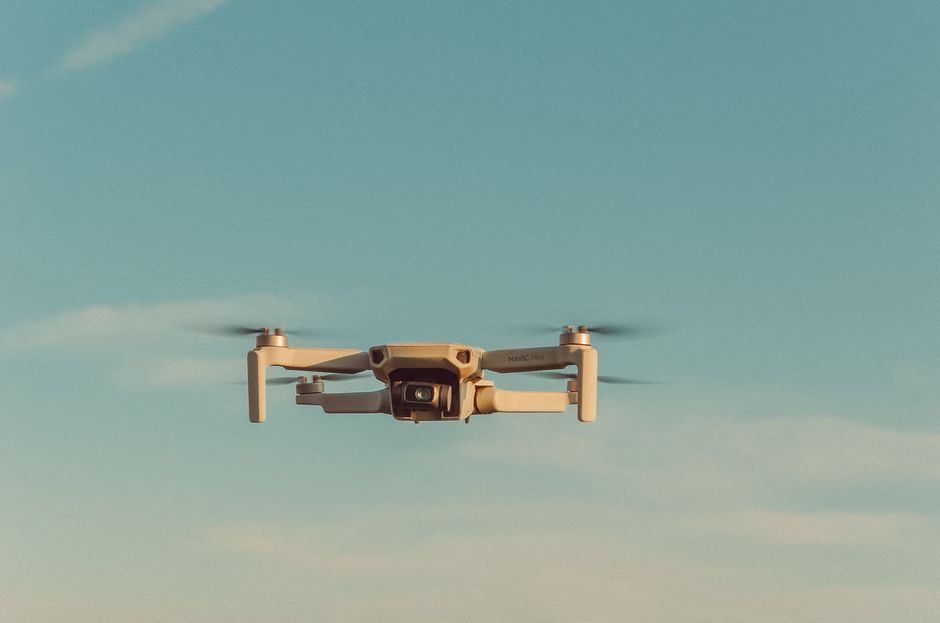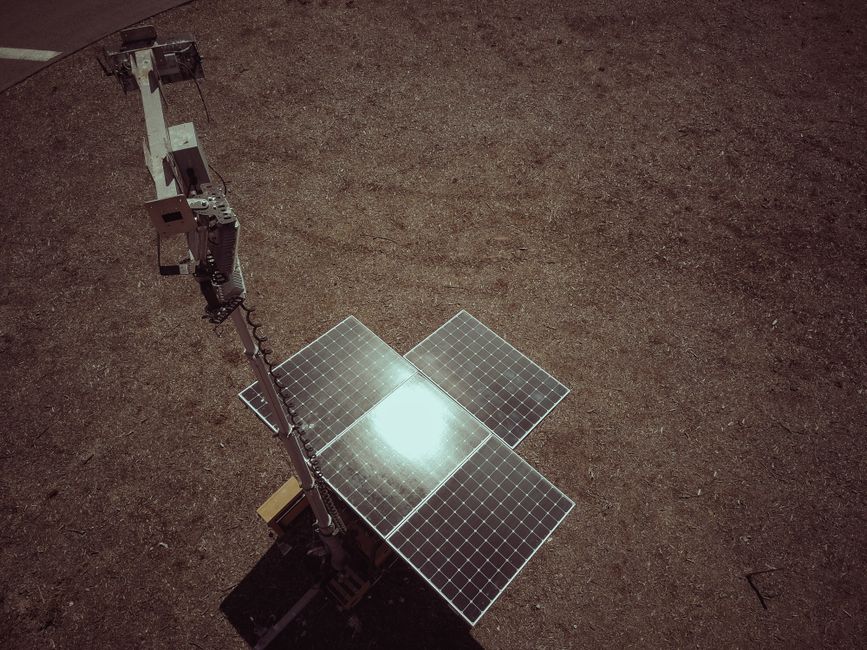

Aerial drone photography has revolutionized the way we capture images from above. With advancements in technology, drones have become accessible to both professionals and hobbyists, allowing for breathtaking perspectives that were once only achievable through expensive helicopter rides or airplanes. This article delves into the various aspects of aerial drone photography, including its applications, benefits, and tips for capturing stunning aerial shots.
The Rise of Aerial Drone Photography
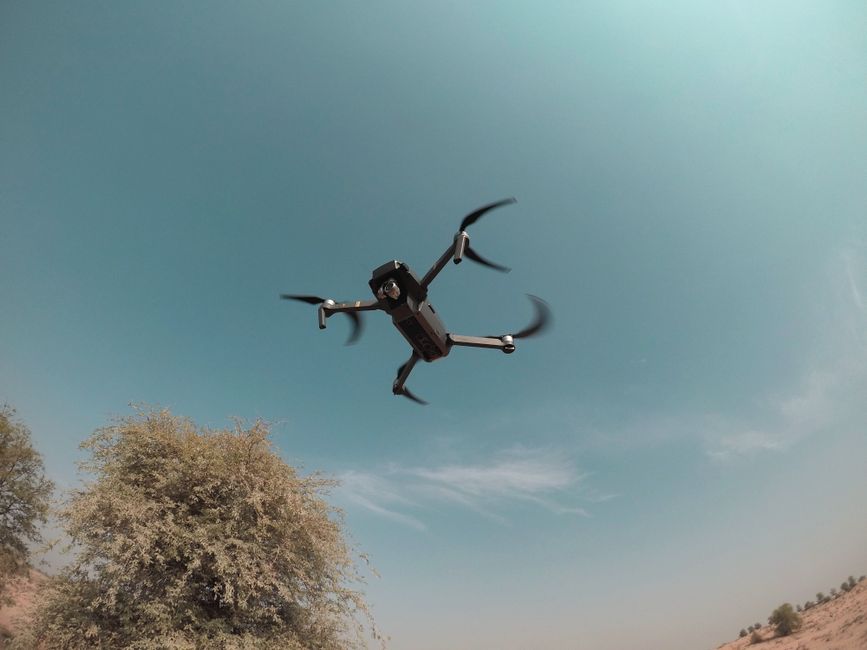
The popularity of aerial drone photography has surged in recent years, thanks to the decreasing costs of drone technology and the increasing quality of camera equipment. According to a report by the Federal Aviation Administration (FAA), the number of registered drones in the United States alone has surpassed 1.7 million as of 2021. This trend reflects a growing interest in aerial photography for various uses, from real estate to landscape photography.
One notable example is the real estate industry, where aerial photography has become a game-changer. By providing prospective buyers with stunning overhead views of properties, real estate agents can showcase the surrounding area, highlighting features like parks, schools, and local amenities. This has led to faster sales and higher prices, as properties presented with aerial shots tend to attract more interest.
Moreover, the rise of social media platforms like Instagram and YouTube has accelerated the demand for captivating aerial imagery. Content creators are continuously seeking unique angles to stand out, and aerial shots provide that edge. As a result, many influencers and businesses are investing in aerial drone photography to enhance their online presence.
Applications of Aerial Drone Photography
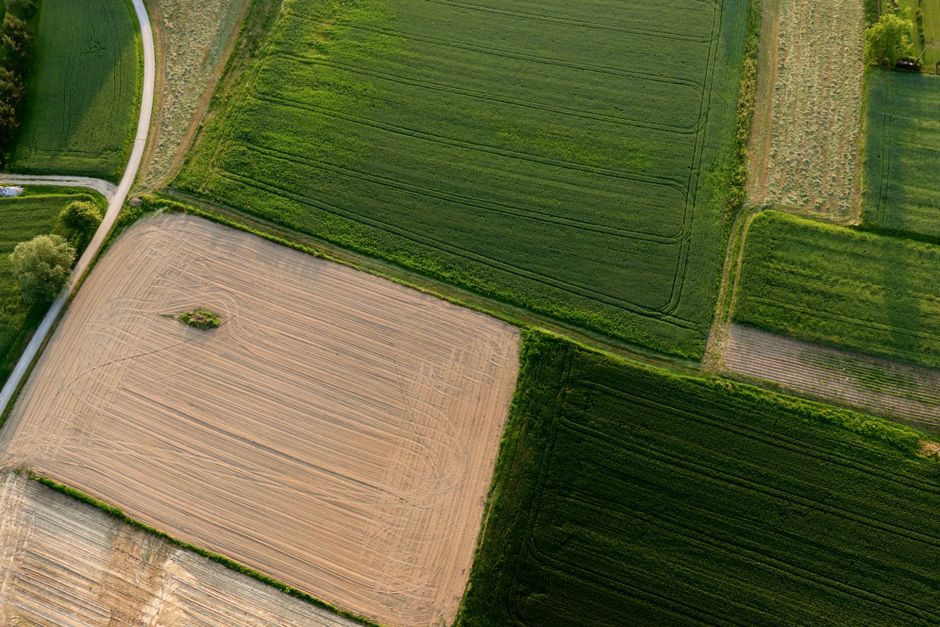
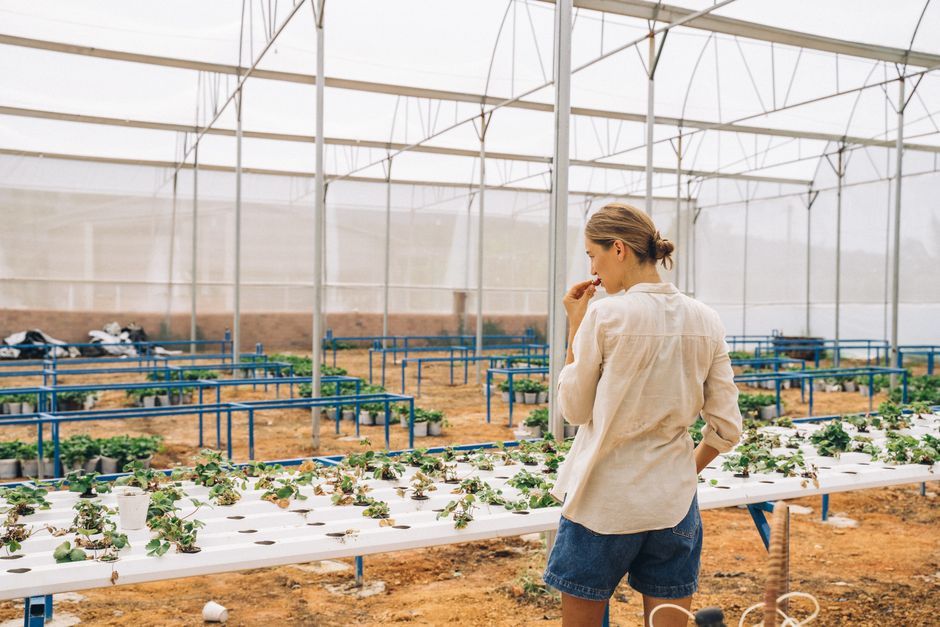
Aerial drone photography is not limited to real estate; its applications are vast and varied. One significant area is in agriculture, where drones are used to monitor crop health and assess land conditions. Farmers can utilize aerial imagery to identify areas that require attention, leading to more efficient use of resources and better crop yields.
Another important application is in the field of conservation and environmental monitoring. Drones equipped with high-resolution cameras can capture images of wildlife, track changes in ecosystems, and monitor deforestation. This data is invaluable for researchers and conservationists striving to protect our planet.
Additionally, aerial drone photography has found its place in event coverage, such as weddings and festivals. Capturing special moments from above adds a unique perspective that traditional photography cannot match. Couples often choose to include aerial shots in their wedding albums, creating unforgettable memories that they can cherish for years to come.
Benefits of Using Drones for Photography
The advantages of using drones for photography are numerous. First and foremost, drones offer an unparalleled perspective, allowing photographers to capture images that would be impossible to get from the ground. This unique viewpoint can transform an ordinary scene into something extraordinary.
Furthermore, drones are incredibly versatile. They can be flown in various environments, from urban landscapes to rural settings, and can easily navigate challenging terrains. This flexibility allows photographers to explore new locations and capture images that might otherwise be out of reach.
In addition to their versatility, drones can also save time and money. Traditional aerial photography often requires hiring a helicopter or plane, which can be prohibitively expensive. In contrast, drones are relatively inexpensive to operate and can be deployed quickly, making them an ideal choice for budget-conscious photographers.
Tips for Capturing Stunning Aerial Shots
To make the most of aerial drone photography, there are several tips that photographers should keep in mind. First, understanding the drone’s capabilities and limitations is crucial. Each drone has its own specifications regarding flight time, camera quality, and range, so knowing these factors can help in planning the shoot.
Another important aspect is composition. Just like traditional photography, aerial photography benefits from well-thought-out compositions. Photographers should consider leading lines, symmetry, and the rule of thirds when framing their shots. A compelling composition can turn a simple aerial photo into a striking work of art.
Lighting also plays a significant role in aerial photography. The best times to shoot are during the golden hours—early morning and late afternoon—when the light is soft and warm. This natural lighting can enhance the colors and textures in the landscape, resulting in more vibrant images.
Lastly, safety should always be a priority. Familiarize yourself with local regulations regarding drone use, and ensure that you are flying in a safe environment. This will not only protect your investment but also ensure the safety of others around you.
Conclusion
In conclusion, aerial drone photography is an exciting and rapidly evolving field that offers endless possibilities for creativity and exploration. Whether you are a professional photographer or an enthusiastic hobbyist, embracing this technology can open up new avenues for your photography. By understanding its applications, benefits, and techniques, anyone can harness the power of aerial drone photography to capture stunning images from above. For those looking to elevate their photography game, investing in aerial drone photography is a step in the right direction.