
In an era where security is paramount, access control systems have become a fundamental aspect of building and data protection. These systems not only ensure that the right individuals have access to specific areas but also play a crucial role in safeguarding sensitive information. This article delves into the intricacies of access control systems, exploring their types, technologies, and implementation strategies.
What is an Access Control System?
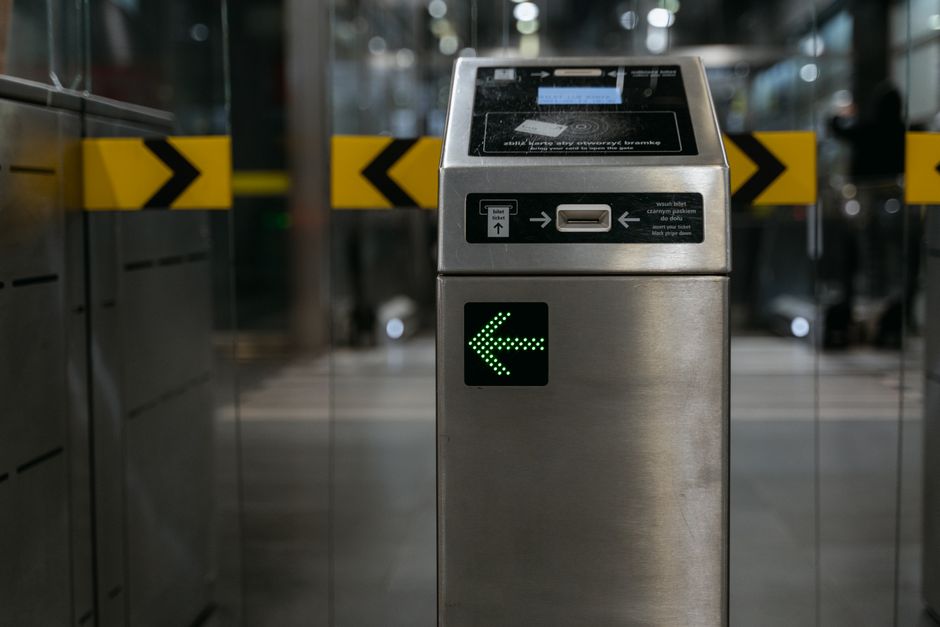
An access control system is a technology that regulates who can enter or exit a facility or access specific data. It involves a combination of hardware and software that manage user permissions and monitor access activity. Typically, these systems use credentials such as key cards, biometrics, or passwords to determine whether to grant or deny access.
The importance of an effective access control system cannot be overstated. According to a study by the Security Industry Association, establishments with robust access control measures experience a significantly lower rate of theft and unauthorized access. This highlights the necessity of investing in reliable systems to protect both physical and digital assets.
Types of Access Control Systems
Access control systems can be broadly categorized into three types: mandatory access control (MAC), discretionary access control (DAC), and role-based access control (RBAC). Each type serves different organizational needs and security levels.
Mandatory access control (MAC) is a stringent system where access rights are assigned based on regulations set by a central authority. This type is often used in government and military settings. In contrast, discretionary access control (DAC) allows users to control access to their resources, making it more flexible but potentially less secure.
Role-based access control (RBAC) is one of the most widely adopted systems in businesses today. In RBAC, access rights are assigned based on a user’s role within an organization, streamlining the management of permissions and reducing the risk of errors. For instance, an employee in the finance department may have access to sensitive financial data, while someone in marketing would not.
Technologies Used in Access Control Systems
Modern access control systems employ various technologies to enhance security and efficiency. Key technologies include biometrics, smart cards, and mobile access solutions. Biometrics, such as fingerprint and facial recognition, offer a high level of security by ensuring that access is granted only to the authorized user.
Smart cards, which store digital credentials, are widely used in access control systems. They can be contact-based or contactless, providing convenience and flexibility. On the other hand, mobile access solutions allow users to unlock doors using their smartphones, making the process seamless and user-friendly.
According to a report from MarketsandMarkets, the market for biometric systems is expected to grow significantly, reflecting the increasing demand for secure access methods. Organizations are beginning to recognize that traditional password systems are often insufficient due to their vulnerability to hacking and phishing attacks.
Implementing an Access Control System
When implementing an access control system, organizations must consider several key factors. First and foremost, it is essential to conduct a thorough risk assessment to identify areas that require heightened security. This assessment will help determine the appropriate type of access control system to deploy.
Next, organizations should focus on user training and awareness. Employees must understand the importance of following access protocols to ensure the effectiveness of the system. Regular training sessions can help reinforce these practices and reduce the likelihood of security breaches.
Moreover, integrating the access control system with other security measures, such as surveillance cameras and alarm systems, can provide a comprehensive security solution. This multi-layered approach not only enhances security but also allows for better monitoring of access activities.
The Future of Access Control Systems
The landscape of access control is constantly evolving, driven by advancements in technology and changing security needs. The integration of artificial intelligence (AI) and machine learning is on the rise, enabling systems to learn from patterns and improve security measures over time.
Additionally, the trend towards cloud-based access control systems is gaining momentum. These systems offer flexibility and scalability, allowing organizations to manage access remotely and efficiently. As businesses increasingly adopt hybrid work models, having a robust cloud-based access control system will become essential in maintaining security.
As we look towards the future, the importance of implementing a reliable access control system cannot be overstated. Organizations must stay ahead of threats by continuously updating their security measures and embracing innovative technologies.
Conclusion
In conclusion, access control systems play a pivotal role in safeguarding both physical and digital assets in today’s security landscape. By understanding the various types, technologies, and implementation strategies, organizations can better protect themselves against unauthorized access and potential threats. As technology continues to evolve, staying informed and adapting to new advancements will be crucial in maintaining effective security protocols.