
In today’s world, ensuring the safety of our homes has never been more essential. With increasing crime rates and the advancement of technology, homeowners are turning to home security systems to protect their loved ones and belongings. This comprehensive guide will explore various aspects of home security systems, including their types, benefits, installation processes, and key features to consider when choosing the right system for your needs.
Understanding Home Security Systems
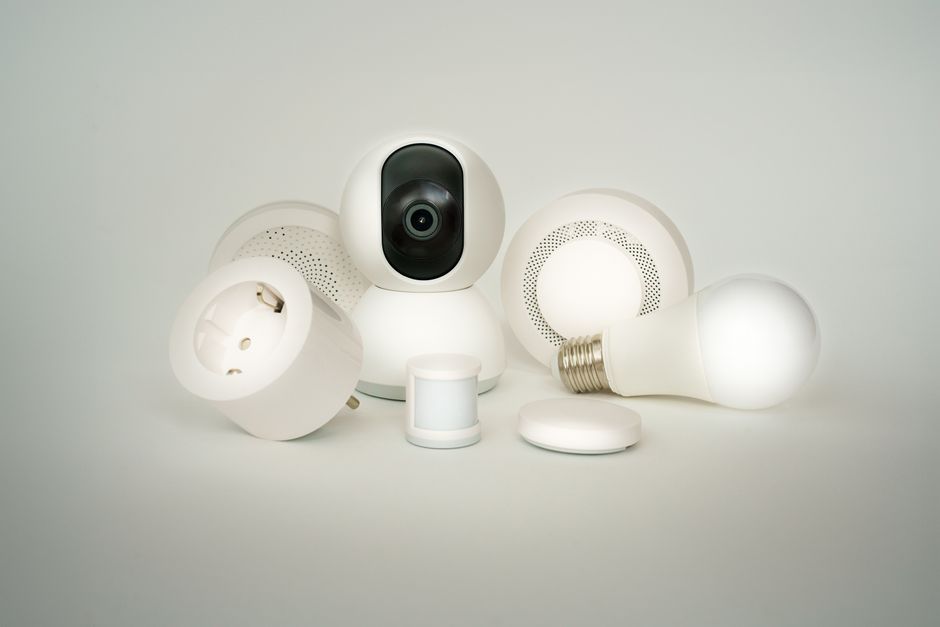
Home security systems are designed to protect properties from theft, vandalism, and other emergencies. They typically consist of several components, including alarms, cameras, motion detectors, and monitoring services. Understanding how these systems work can help homeowners make informed decisions about their safety.
Most security systems can be divided into two main categories: wired and wireless. Wired systems involve physical connections between devices, which may offer more reliability but can be challenging to install. In contrast, wireless systems are easier to install and can be moved around as needed, making them a popular choice among homeowners.
Moreover, many modern systems can be integrated with smart home devices, allowing users to control their security systems remotely via smartphones or tablets. This level of accessibility has made home security systems more user-friendly and effective.
Benefits of Installing a Home Security System
The benefits of having a home security system extend beyond mere protection against break-ins. Studies have shown that homes without security systems are significantly more likely to be targeted by burglars. In fact, according to a survey by the University of North Carolina, approximately 60% of convicted burglars stated that they would avoid homes with visible security systems.
Additionally, home security systems can provide peace of mind to homeowners. Knowing that your property is monitored 24/7 can alleviate anxiety and stress, allowing you to enjoy your home without constant worry. Many systems also offer features like smoke detection, carbon monoxide detection, and flood monitoring, which can alert you to potential hazards before they escalate.
Furthermore, installing a security system can lead to lower insurance premiums. Many insurance companies offer discounts to homeowners with security systems in place, recognizing that these systems reduce the risk of loss or damage.
Choosing the Right Home Security System
When it comes to selecting a home security system, there are several factors to consider. First, assess your specific needs. Consider the size of your home, the number of entry points, and any particular vulnerabilities. For larger homes, a system with multiple sensors and cameras may be necessary.
Next, think about your budget. Home security systems can range from basic DIY kits to advanced professionally monitored systems. Determine what you are willing to invest in your home’s safety. Additionally, consider whether you want a system that requires professional installation or one that you can set up yourself.
Another crucial aspect is the monitoring options. Some systems offer self-monitoring, where homeowners can receive alerts and monitor their property through a mobile app. Others provide professional monitoring services, where a dedicated team will respond to alarms and alerts on your behalf. This can be particularly beneficial for those who travel frequently or spend long hours away from home.
Installation and Maintenance of Home Security Systems
The installation process for home security systems can vary greatly depending on the type and complexity of the system chosen. DIY systems typically come with detailed instructions that make installation straightforward. However, for more complex systems, hiring a professional installer may be a good idea to ensure proper setup and functionality.
Once installed, regular maintenance is essential to keep your security system functioning optimally. This includes testing alarms, checking battery levels, and ensuring that all components are working as intended. Many manufacturers recommend routine inspections, which can help identify potential issues before they become significant problems.
Moreover, staying informed about software updates for smart security systems is crucial. Many manufacturers release updates that enhance security features and fix vulnerabilities. Keeping your system up-to-date is vital for maintaining its effectiveness against potential threats.
Future Trends in Home Security Systems
The landscape of home security systems is rapidly evolving, with advancements in technology playing a crucial role in shaping their future. One of the most significant trends is the integration of artificial intelligence (AI) and machine learning. These technologies can enhance security systems by enabling them to learn from user behavior and detect unusual activities, providing a higher level of protection.
Another trend is the increasing popularity of smart home integration. Many homeowners are opting for systems that seamlessly connect with existing smart home devices, such as smart locks, lights, and thermostats. This integration not only simplifies user experience but also provides comprehensive control over home security.
Furthermore, the use of drones for surveillance is gaining traction. Drones equipped with cameras can provide an aerial view of properties, allowing homeowners to monitor their surroundings more effectively. As technology continues to advance, we can expect even more innovative solutions to enhance home security in the future.
Conclusion
Investing in a home security system is one of the most effective ways to protect your property and loved ones. With various types of systems available, understanding your needs and the benefits of each option is crucial. Whether you choose a wired or wireless system, self-monitoring or professional monitoring, the goal remains the same: ensuring the safety of your home.
As technology continues to evolve, staying informed about the latest trends and features will empower homeowners to make the best decisions regarding their security. Remember, a proactive approach to home security not only protects your belongings but also provides peace of mind. For those looking to explore their options more thoroughly, researching the best home security systems can further aid in making an informed choice. Don’t hesitate to invest in your safety; after all, home is where your heart is.
For a comprehensive comparison of leading systems, check out the home security system guide.