
Septic tank cleaning is an essential yet often overlooked aspect of home maintenance. Many homeowners are unaware of the importance of keeping their septic systems in good working order. A well-maintained septic tank can prevent major plumbing issues and expensive repairs down the line. In this guide, we will explore the reasons for septic tank cleaning, how often it should be done, and the best practices for maintaining your septic system.
Understanding Septic Systems
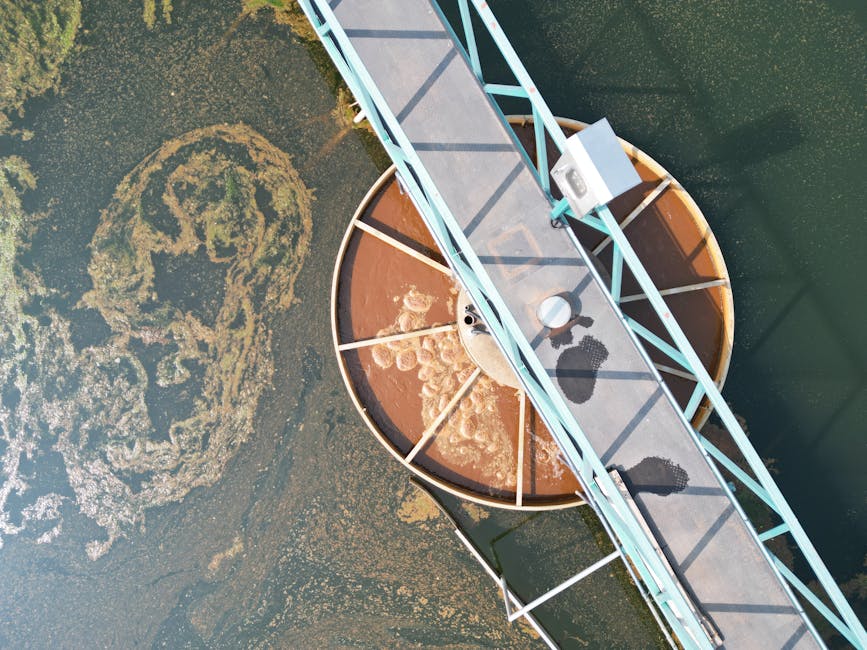
To appreciate the importance of septic tank cleaning, it is crucial to understand how septic systems function. A septic system is designed to treat wastewater from your home. It typically consists of a septic tank and a drain field. Wastewater flows from the house into the septic tank, where solids settle at the bottom, forming sludge, while lighter materials float to the top, creating a scum layer. The liquid in between, known as effluent, is then discharged into the drain field for further treatment.
Regular maintenance, including septic tank cleaning, helps to prevent the accumulation of sludge and scum, which can lead to system failure. According to the Environmental Protection Agency (EPA), a well-maintained septic system can last over 30 years, but neglect can lead to costly repairs or even replacement.
Signs That Your Septic Tank Needs Cleaning
Homeowners should be vigilant about the signs indicating that their septic tank may need cleaning. Some common symptoms include slow drains, gurgling sounds in the plumbing, unpleasant odors around the tank or drain field, and lush green grass over the drain field compared to the surrounding area. If you notice any of these signs, it’s essential to address the issue promptly to avoid more severe problems.
The frequency of cleaning your septic tank can also depend on several factors, including the size of your household and the amount of wastewater generated. Generally, it is recommended to have your septic tank pumped every three to five years. However, larger households or homes that use a garbage disposal may require more frequent cleaning.
Best Practices for Septic Tank Maintenance
Effective septic tank maintenance goes beyond just cleaning. Homeowners can adopt several best practices to ensure their septic systems function properly. One of the most critical practices is to be mindful of what goes down the drain. Avoid flushing non-biodegradable items, grease, or chemicals that can disrupt the natural bacteria in the septic tank.
In addition, regular inspections of the septic system can help identify potential problems before they escalate. Many septic service providers offer comprehensive inspections, which can include checking the tank levels, inspecting the drain field, and assessing the overall health of the system. Keeping a maintenance log can also help track when cleaning and inspections were last performed.
Another effective strategy is to implement septic maintenance products that promote the growth of healthy bacteria in your septic tank. These products can help break down solids and reduce sludge accumulation, thus extending the time between cleanings.
Choosing a Professional Septic Service
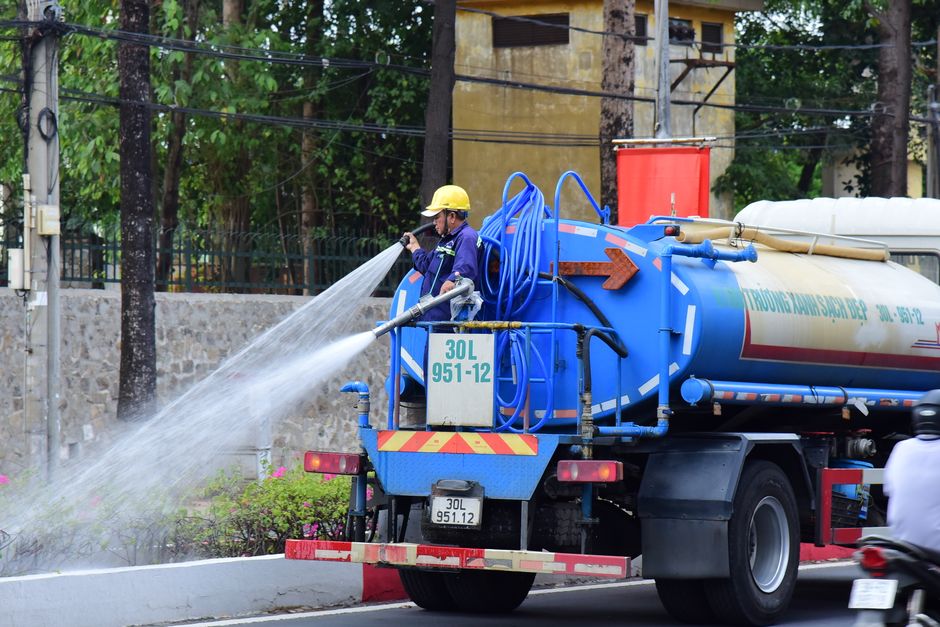
When it comes to septic tank cleaning, hiring a professional service is often the best choice. Professional septic cleaners have the necessary equipment and expertise to handle the job safely and effectively. When selecting a service, consider factors such as experience, customer reviews, and certifications. It’s also wise to ask for recommendations from friends or family who have had positive experiences.
Before hiring a septic service, ensure they provide a detailed estimate and explain their cleaning process. A reputable service will also offer advice on how to maintain your septic system and what steps to take if issues arise.
Conclusion
Maintaining a septic tank is an essential part of home ownership that should not be neglected. Regular cleaning and maintenance can save homeowners from costly repairs and ensure that their septic systems function efficiently for years to come. By understanding how septic systems work and recognizing the signs of trouble, you can protect your investment and enjoy peace of mind. Remember, when in doubt, consult a professional to ensure your septic system remains in top condition.