
Septic tanks play a crucial role in managing wastewater for homes not connected to municipal sewage systems. Proper maintenance and cleaning of these systems are vital to ensure their longevity and efficiency. Ignoring septic tank cleaning can lead to serious problems, including backups, unpleasant odors, and costly repairs. In this guide, we will explore the importance of septic tank cleaning, the signs that indicate a need for service, and the best practices for maintaining your septic system.
Understanding Septic Systems
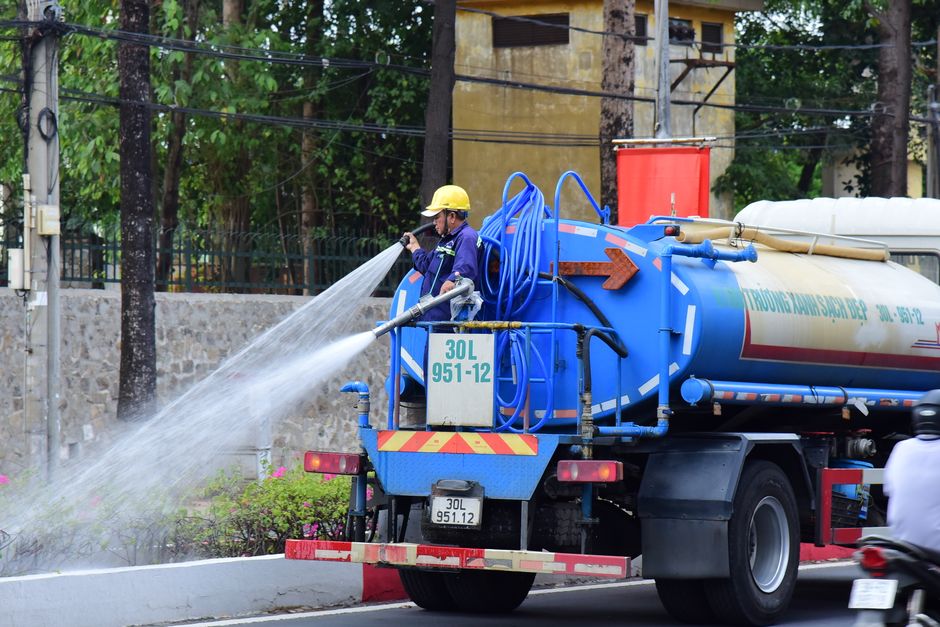
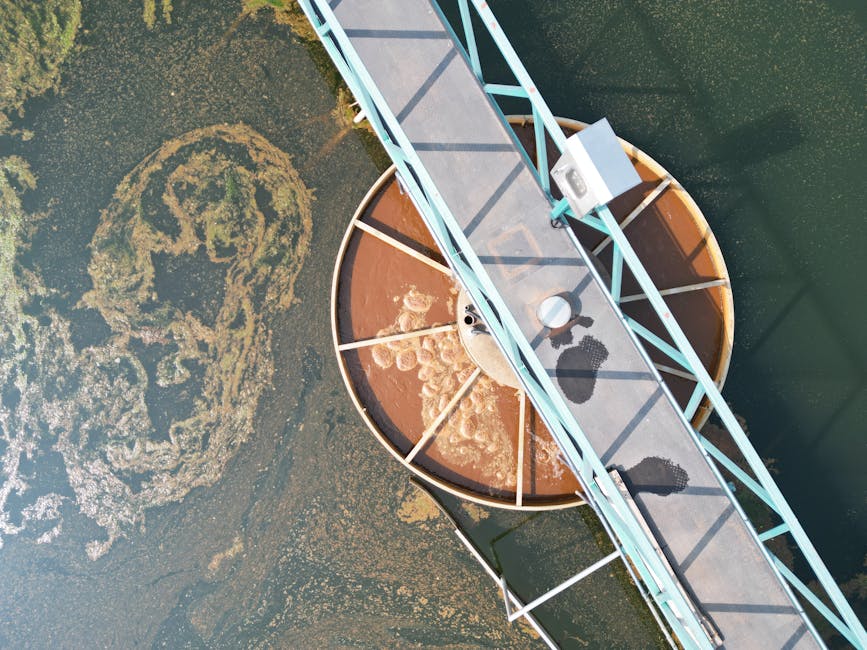
Before diving into cleaning practices, it’s essential to understand how septic systems work. A typical septic system consists of a tank and a drain field. Wastewater from your home flows into the tank, where solids settle at the bottom, and liquids flow out to the drain field. Here, the soil naturally filters and treats the wastewater before it re-enters the groundwater system.
It’s estimated that over 25% of U.S. households rely on septic systems for wastewater treatment. Given this prevalence, understanding the mechanics and maintenance of these systems becomes imperative for homeowners. Regular cleaning and inspection can prevent potential system failures, ensuring that your home remains comfortable and hygienic.
Signs Your Septic Tank Needs Cleaning
Identifying when your septic tank needs cleaning can save you from significant headaches down the line. Some common signs include:
- Slow Drains: If your sinks, tubs, or toilets are draining slowly, it may indicate a full septic tank.
- Unpleasant Odors: Foul smells near the septic tank or drain field can signal that your system is not functioning correctly.
- Pooling Water: Water pooling in your yard, especially near the drain field, suggests that the septic tank is overflowing.
- Frequent Backups: Regular backups in your plumbing system are a significant indicator that your septic tank needs attention.
Being vigilant about these symptoms can help you address issues before they escalate into costly repairs.
The Cleaning Process
Cleaning a septic tank is not a DIY project; it requires professional expertise. The process typically involves:
- Inspection: A professional will inspect the system to assess its condition and identify any issues.
- Pumping: The tank is pumped to remove sludge and scum buildup. Depending on usage, this should be done every 3 to 5 years.
- Cleaning: After pumping, the tank is cleaned to remove remaining residues that could hinder its operation.
- Maintenance: Following the cleaning, a septic maintenance plan should be established to monitor the system’s health.
Regular cleaning can extend the lifespan of your septic system and prevent emergencies. Homeowners are encouraged to consider septic maintenance as an integral part of home care.
Cost Considerations
The cost of septic tank cleaning can vary widely based on location, tank size, and the specific service provider. On average, homeowners can expect to pay between $200 and $500 for a professional cleaning. However, neglecting regular maintenance can lead to much higher costs if major repairs are needed.
Additionally, some regions require septic system inspections and pumping to be performed at specific intervals, which can influence overall costs. Understanding these factors can help homeowners budget appropriately for septic tank maintenance.
Best Practices for Septic System Care
To ensure your septic system remains in good working order, consider these best practices:
- Avoid Harsh Chemicals: Chemicals can disrupt the natural bacteria in the tank that break down waste.
- Limit Water Use: Excessive water use can overwhelm the system, leading to backups and failures.
- Regular Inspections: Schedule regular inspections to catch potential issues early.
- Educate Household Members: Make sure everyone in the household understands what can and cannot go down the drains.
By following these practices, homeowners can maintain their septic systems effectively and avoid the pitfalls of neglect.
Conclusion
Septic tank cleaning is an essential aspect of home maintenance for those relying on septic systems. Understanding the signs that indicate a need for cleaning, the cleaning process, associated costs, and best practices can empower homeowners to take proactive steps in managing their septic systems. Regular maintenance not only helps in avoiding costly repairs but also ensures a safe and hygienic living environment. As always, when in doubt, consult a professional to help with your septic system needs.