
As the world grapples with the complexities of climate change and environmental degradation, the architecture industry is undergoing a significant transformation. Sustainable architecture is not just a trend; it is a necessity for the future of our planet. This article explores the principles, benefits, and leading firms that are making strides in sustainable architecture, highlighting how these innovations can lead to a more eco-friendly built environment.
Understanding Sustainable Architecture
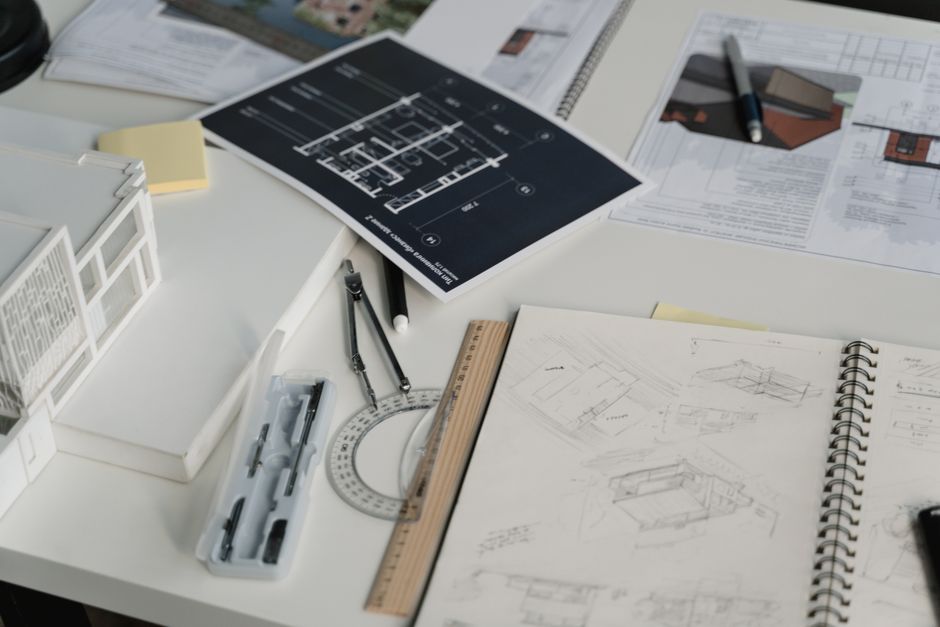
Sustainable architecture refers to a design philosophy that seeks to minimize the negative environmental impact of buildings. This practice encompasses various elements, including energy efficiency, the use of sustainable materials, and the integration of natural landscapes. By focusing on these areas, architects aim to create structures that are not only functional but also harmonious with the environment.
One of the key principles of sustainable architecture is energy efficiency. This involves designing buildings that reduce energy consumption through efficient insulation, proper orientation to maximize natural light, and the use of renewable energy sources like solar panels. For instance, a study showed that buildings designed with energy efficiency in mind can reduce energy costs by up to 50%.
Another crucial aspect is the selection of materials. Sustainable architecture firms often prioritize locally sourced and reclaimed materials, which significantly reduces the carbon footprint associated with transportation. The use of sustainable materials also contributes to healthier indoor environments, as they are often free from toxic chemicals commonly found in traditional construction materials.
The Benefits of Sustainable Architecture
The benefits of adopting sustainable architectural practices extend beyond environmental impact. These buildings often provide significant cost savings in the long run. For example, a study conducted by the U.S. Green Building Council found that green buildings can save owners between 20% to 30% on utility bills. This financial incentive is a compelling reason for developers and homeowners to consider sustainable options.
Moreover, sustainable architecture enhances the quality of life for occupants. Buildings designed with natural light, ventilation, and outdoor spaces lead to improved mental and physical well-being. Research indicates that occupants of green buildings report higher satisfaction levels and lower stress rates, demonstrating the positive impact of these designs on human health.
Additionally, sustainable buildings often have higher property values. As awareness of environmental issues grows, buyers are increasingly seeking homes and commercial spaces that reflect their values. According to a survey by the National Association of Realtors, 87% of homebuyers consider energy efficiency to be a priority when searching for a new home.
Innovative Firms Leading the Charge
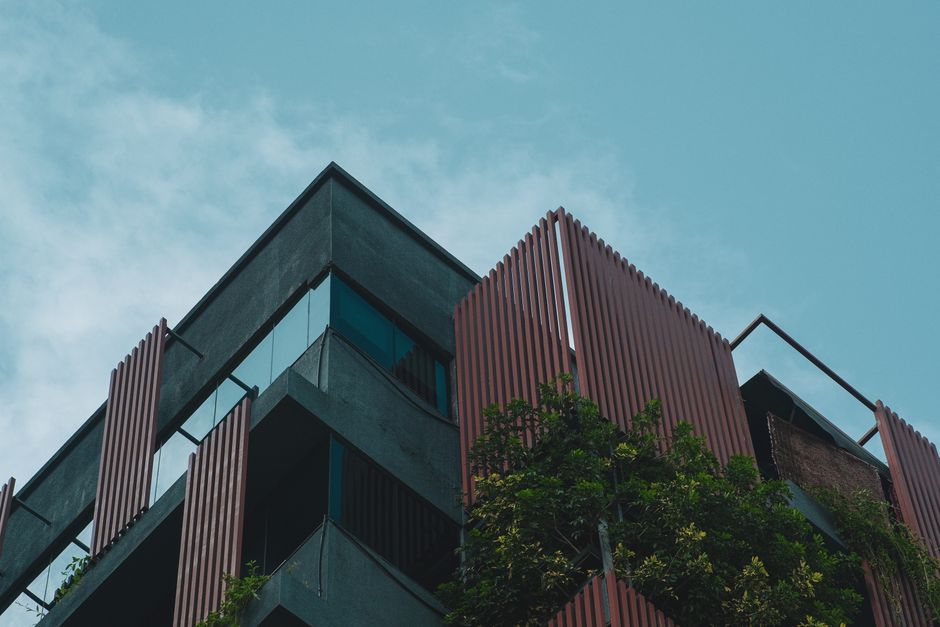
Several firms have emerged as leaders in the field of sustainable architecture, setting benchmarks for others to follow. One notable example is sustainable architecture firm that has developed a reputation for its innovative use of sustainable materials and cutting-edge technologies. Their projects often integrate living walls, green roofs, and advanced energy systems, showcasing the potential of modern sustainable design.
Another leader in this space is a firm that focuses on biophilic design, which incorporates natural elements into buildings to enhance occupant well-being. Their projects often feature large windows, indoor gardens, and natural ventilation, creating a seamless connection between the indoor and outdoor environments.
Moreover, some firms are pushing the boundaries of sustainable architecture by exploring off-grid solutions. These designs utilize renewable energy sources and water conservation techniques to create self-sufficient buildings that minimize their reliance on external resources.
Challenges and Considerations
Despite the many advantages of sustainable architecture, challenges remain. One significant hurdle is the initial cost of sustainable materials and technologies. While they often lead to long-term savings, the upfront investment can deter some developers. However, various financial incentives, such as tax credits and grants, are available to offset these costs.
Another challenge is the need for industry-wide education on sustainable practices. Many architects and builders may lack the training necessary to implement these innovative solutions effectively. Therefore, ongoing education and resources are essential for the growth of sustainable architecture.
Lastly, regulatory hurdles can impede progress. Building codes and regulations may not always align with sustainable practices, making it difficult for architects to implement their designs. Advocating for updated policies that support sustainable construction is crucial for the industry’s advancement.
Conclusion
The shift towards sustainable architecture represents a significant opportunity to address some of the most pressing environmental challenges of our time. By prioritizing energy efficiency, sustainable materials, and innovative design, architects can create spaces that benefit both people and the planet. As more firms adopt these practices, the landscape of architecture will continue to evolve, paving the way for a greener future.