

Landscape architecture is a discipline that blends art and science to create and enhance outdoor spaces. From urban parks to residential gardens, landscape architects play a critical role in shaping our environment. This article explores the multifaceted nature of landscape architecture, its historical evolution, contemporary practices, and the importance of sustainable design in this field.
Historical Background of Landscape Architecture
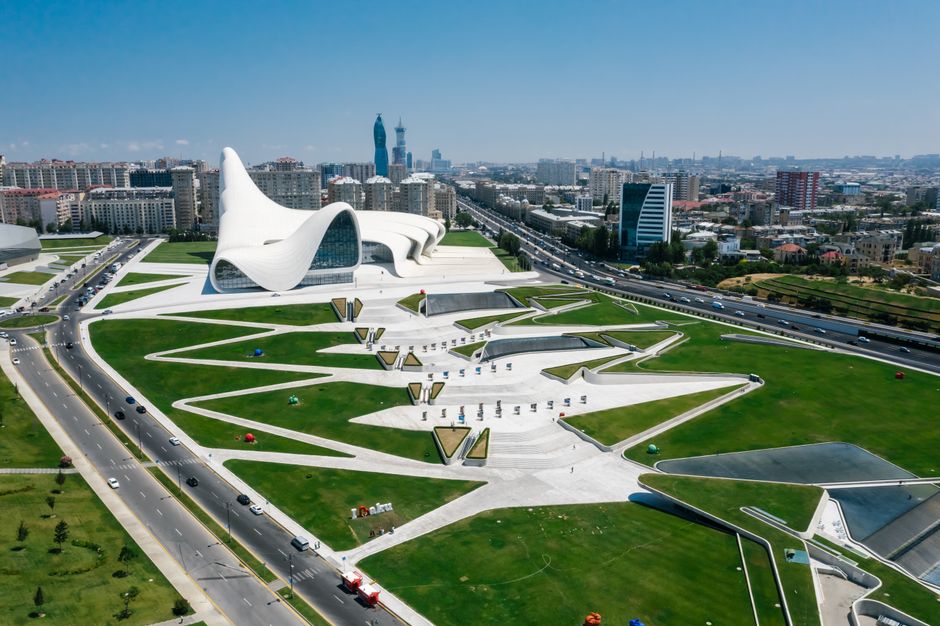
The roots of landscape architecture can be traced back to ancient civilizations. The gardens of Babylon and the landscapes of ancient Rome showcased the early integration of nature and human design. As societies evolved, so did the practice of designing outdoor spaces. In the 18th century, landscape architecture began to emerge as a distinct profession in Europe, with figures like Capability Brown revolutionizing English gardens.
By the 19th century, landscape architecture gained prominence in the United States, largely due to the works of Frederick Law Olmsted, who is widely regarded as the father of American landscape architecture. His design of Central Park in New York City marked a significant shift towards public parks and green spaces in urban areas.
Today, landscape architecture encompasses a wide range of projects, from ecological restoration to urban planning, demonstrating its importance in addressing contemporary challenges such as climate change and urbanization.
Core Principles of Landscape Architecture
At the heart of landscape architecture lie several core principles that guide the work of professionals in the field. One of the most crucial is the concept of sustainability. Landscape architects strive to create designs that not only enhance aesthetic appeal but also promote ecological health. This involves selecting native plants, managing water resources efficiently, and creating habitats for wildlife.
Another important principle is the integration of social and cultural context in design. Landscape architects must consider the needs and preferences of the community, ensuring that spaces are accessible and inclusive. For example, parks and recreational areas should cater to diverse age groups and cultural backgrounds, fostering community engagement and interaction.
Moreover, landscape architecture often involves collaboration with various stakeholders, including urban planners, engineers, and ecologists. This interdisciplinary approach ensures that projects are well-rounded and address multiple aspects of the environment.
Contemporary Practices in Landscape Architecture
In recent years, landscape architecture has evolved to incorporate modern technologies and innovative design practices. The use of Geographic Information Systems (GIS) allows landscape architects to analyze land use patterns, assess environmental impacts, and create data-driven designs.
Furthermore, the rise of green infrastructure has transformed the way landscapes are designed. Concepts such as green roofs, permeable pavements, and rain gardens are being integrated into urban environments to manage stormwater and reduce urban heat islands. These practices not only enhance the aesthetic value of urban areas but also provide practical solutions to environmental issues.
As cities continue to grow, landscape architects are also exploring ways to incorporate nature into urban settings. Biophilic design, which emphasizes the connection between humans and nature, is gaining traction. By integrating natural elements into urban architecture, landscape architects aim to improve mental well-being and overall quality of life for city dwellers.
The Role of a Landscape Architect
A landscape architect’s role is diverse and multifaceted. They are involved in various stages of a project, from initial site analysis and conceptual design to implementation and maintenance. This requires a blend of creativity, technical skills, and ecological knowledge.
Additionally, landscape architects must stay informed about local regulations, environmental policies, and emerging trends in the field. Continuing education and professional development are essential for keeping pace with advancements in sustainable design and innovative technologies.
To truly appreciate the impact of landscape architecture, one must consider the numerous benefits it brings to communities. Well-designed landscapes can enhance property values, promote physical activity, and improve mental health. Moreover, they contribute to biodiversity and environmental resilience.
Conclusion: The Future of Landscape Architecture
As we look towards the future, the importance of landscape architecture will only continue to grow. With increasing urbanization and environmental challenges, the role of landscape architects in creating sustainable, functional, and beautiful outdoor spaces is more crucial than ever. Through their expertise, landscape architects can help shape resilient communities that are not only aesthetically pleasing but also ecologically sound, ensuring a better quality of life for generations to come.
For those interested in pursuing a career in this dynamic field, understanding the interdisciplinary nature of landscape architecture and the various skills required is essential. Aspiring landscape architects can benefit from engaging with professional organizations and resources, such as the landscape architect community, which offers valuable insights and networking opportunities.