

Bedbugs have become a common nuisance in households worldwide, causing distress and discomfort for many families. These tiny, elusive pests thrive in various environments and are particularly notorious for their ability to hide in small crevices. Understanding how to effectively exterminate bedbugs is crucial for reclaiming your living space. In this article, we will explore various strategies and methods for dealing with a bedbug infestation, ensuring you have the tools needed to combat this issue effectively.
Understanding Bedbugs: Biology and Behavior
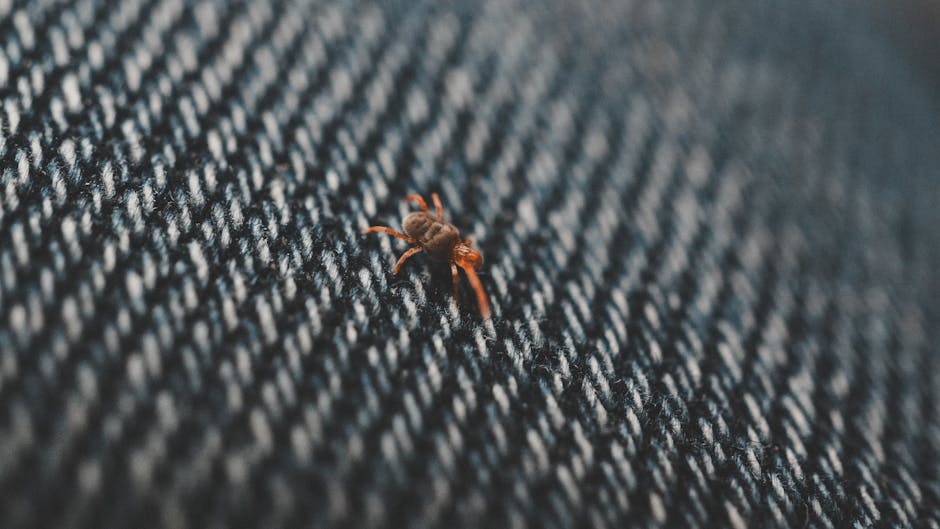
Before diving into extermination methods, it is vital to understand the biology and behavior of bedbugs. Bedbugs are small, reddish-brown insects that feed on the blood of humans and animals. They are primarily nocturnal and are attracted to warmth and carbon dioxide, making humans their preferred host. Female bedbugs can lay hundreds of eggs in a lifetime, which can hatch within a week, leading to rapid population growth.
Bedbugs can survive for several months without feeding, which makes them particularly challenging to eliminate. They tend to hide in mattresses, bed frames, and other furniture, often making detection difficult. A thorough inspection is essential in identifying the extent of the infestation.
Signs of Bedbug Infestation
Recognizing the signs of a bedbug infestation is the first step towards effective extermination. Common indicators include:
- Small, dark spots on bedding and furniture, which are bedbug excrement.
- Molted bedbug skins, as they shed their exoskeletons during growth.
- Red, itchy bites on the skin, often arranged in a linear pattern.
- Unpleasant, musty odors from heavily infested areas.
If you notice any of these signs, it is crucial to act quickly to prevent the infestation from spreading further.
Extermination Methods: DIY vs. Professional Help
When it comes to bedbug extermination, you have two primary options: do-it-yourself (DIY) methods or hiring professional exterminators. Each approach has its pros and cons.
DIY methods often involve using over-the-counter insecticides, heat treatments, and vacuuming. While these methods can be effective for minor infestations, they may not eliminate the problem entirely, especially if the infestation is extensive. For instance, using a steam cleaner can kill bedbugs on contact, but it requires thorough application to be effective.
On the other hand, professional exterminators have access to more potent insecticides and advanced techniques. They can conduct a comprehensive inspection and implement targeted treatments, including bed bug treatment plans that are tailored to your specific situation. While hiring professionals can be more expensive, it often results in a more thorough and lasting solution.
Preventing Future Infestations
After successfully exterminating bedbugs, it is vital to take preventive measures to avoid future infestations. Here are some practical tips:
- Regularly inspect your sleeping areas and furniture for signs of bedbugs.
- Use protective covers on mattresses and pillows to prevent bedbugs from hiding.
- Reduce clutter in your home, making it harder for bedbugs to find hiding spots.
- Be cautious when traveling; inspect hotel rooms and luggage for bedbugs before unpacking.
Implementing these preventive measures can greatly reduce the risk of encountering bedbugs again.
Conclusion: Taking Action Against Bedbugs
Bedbug infestations can be a daunting challenge, but with the right knowledge and strategies, you can effectively exterminate these pests and protect your home. Whether you choose to tackle the issue yourself or enlist professional help, understanding the biology of bedbugs, recognizing the signs of an infestation, and implementing preventive measures are essential steps in maintaining a bedbug-free environment. Remember that acting quickly and decisively is key to successful bedbug extermination.